• Kinematic Sequence in Golf: What Our Simulator Reveals

    Kinematic sequence golf analysis helps reveal how your body generates and transfers power throughout your swing. Most golfers can tell you their handicap, their favorite club, and roughly how far they hit their driver. Far fewer can tell you where their swing actually starts. That is what your kinematic sequence in golf describes, and it is one of the main things our new golf simulator at STL Physical Therapy is built to measure.

    Your kinematic sequence is the order your body moves in as you swing. When it works well, power builds from the ground up, and the club comes through fast and on time. When it gets out of order, you can lose distance, and your low back or shoulders may start doing more work than they should.

    The tricky part is that you cannot see your sequence just by watching a swing. It happens too fast. The simulator lets us turn it into objective data we can measure today and measure again a few weeks later after implementing corrective exercises specific to your needs.

    One thing to clear up right away: this is not a golf lesson. We are not here to change your grip, fix your slice, or rebuild your swing. Our job is to find the physical limitations that may be causing pain or costing you distance and then help your body move the way your swing needs it to.

    Book your golf movement assessment and see your kinematic sequence for yourself.

    Why Golfers Come In for a Golf Movement Assessment

    In our experience, golfers usually come to us for one of two reasons.

    The first is pain. Low back pain, neck pain, and shoulder pain are the most common golf complaints we see, and they often show up gradually. Maybe your back feels tight after a round, or your shoulder aches a little more every time you play.

    The second is performance. You are not necessarily hurting, but something has changed. You have lost some distance off the tee, your club speed has dropped, or your swing just does not feel as free as it used to.

    These two problems often come from the same place. When your body cannot move well through certain parts of the swing or moves in the wrong order, other areas start doing extra work. That can lead to pain, lost performance, or both.

    What Is the Kinematic Sequence in Golf?

    A lot of golf technology focuses on the ball and the club. That data is useful, but it does not explain why your body is producing that result. The kinematic sequence does.

    Ideally, power starts from the ground up. It moves from your feet into your pelvis, transfers through your spine to your shoulders and hands, and the club comes last. Each part of the body speeds up and then hands that energy off to the next one, a bit like cracking a whip.

    The Titleist Performance Institute (TPI) describes the efficient sequence as moving from the pelvis to the trunk, then the arms, and finally the club, with each segment reaching its top speed a little later than the one before it. When that timing breaks down, energy can be lost instead of added, and other parts of the body may try to compensate.

    What an Upper Body First Swing Looks Like

    The most common sequencing problem we see is a swing that starts with the upper body. Instead of the lower body leading the downswing, the shoulders and arms fire early and try to create the power on their own.

    You might not feel anything wrong with it. Plenty of golfers swing this way for years. But it usually shows up in a few ways:

    • You lose distance even though you feel like you are swinging hard
    • Your contact becomes less consistent
    • Your low back and shoulders pick up stress the lower body should be handling
    • Your swing feels more effortful than it should

    That last point matters. When the sequence is off, muscles like the low back and shoulders end up compensating. Over time, that can contribute to pain, and it almost always costs you power.

    How Our Golf Simulator Measures Your Kinematic Sequence

    During your golf movement assessment, the simulator focuses on two things that tell us much more about the person swinging the club than ball data alone.

    1. Your Sequence

    The simulator shows us whether you are generating force from the ground up or starting your swing with your upper body. That gives us a clear picture of how efficiently power is moving through your body and where it may be leaking out.

    2. Your Swing Mobility

    Sequence and mobility are closely connected. It is hard to lead with your lower body if your hips cannot rotate and hard to load a full backswing if your upper back will not turn. For most golfers, mobility comes down to two key areas.

    Pelvic rotation. This is how well your hips can rotate during the swing. Your hips help you turn, shift your weight, and create power from the lower body.

    Thoracic rotation. This is the rotation that comes from your upper back and shoulders. Your upper back needs to extend and rotate well for you to get into a full backswing.

    If you have good mobility through those two areas, you can usually put together a pretty good swing. When one of them is restricted, your body has to find that motion somewhere else. Often that somewhere is your lower back.

    Research supports this connection. A study published in the Journal of Sports Sciences comparing professional golfers with and without low back pain found that golfers with pain had less trunk rotation available and used more side bending during the backswing.

    Why Your Swing Problem May Not Be a Swing Problem

    Many golfers try to copy the swing of a professional golfer they see on TV or YouTube. The challenge is that most tour players have a huge amount of range of motion. That is not the norm for the rest of us, especially golfers over 40.

    If certain joints are restricted, you are going to have to swing differently to get the same effect. The simulator helps us see where you have mobility and where you do not, so you can stop chasing positions your body is not ready to reach.

    The most common limitation we see in golfers over 40 is thoracic mobility. If you spend a lot of the day sitting at a desk, your upper back tends to round forward over time. To get into a full backswing, you need to extend and rotate through that same area.

    When we improve upper back mobility, it often helps with a lot of other issues, especially pain. Many golfers tell us their swing simply feels more free and easier once that area starts moving better.

    How We Work Alongside Your Swing Coach

    We think about golf performance like a pyramid.

    At the bottom is fundamental movement. In the middle is performance, which is your ability to generate power through your lower body efficiently and safely. At the top is skill, which includes chipping, putting, shaping shots, and everything else a swing coach can help you master.

    Our golf simulator work lives in that middle tier.

    Here is a simple example. Say your swing coach notices you are not rotating far enough into your backswing and tells you to turn more. If you do not have the mobility to make that turn, you can try all day long and still come up short.

    During a golf movement assessment, we can identify that limitation and give you a plan to improve it. Then, when you go back to your coach and they ask you to rotate further, your body can actually do it.

    So if you already work with a golf pro, this is not about replacing them. It is about helping you get more out of the instruction you are already investing in.

    What Happens After Your Golf Movement Assessment

    The simulator is a great starting point, but it is only one part of the process. Here is what a typical path looks like when everything goes to plan.

    Your First Visit: Simulator and Table Evaluation

    Your initial golf evaluation is longer than a standard session so we have time to do it right. We start in the simulator to capture your baseline kinematic sequence and swing mobility.

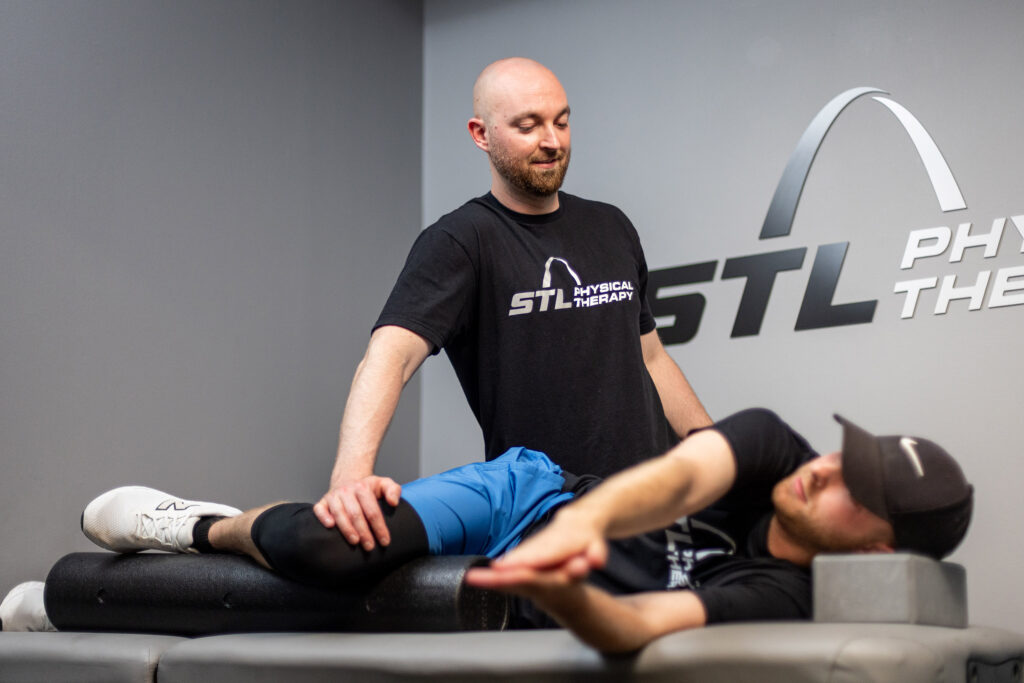
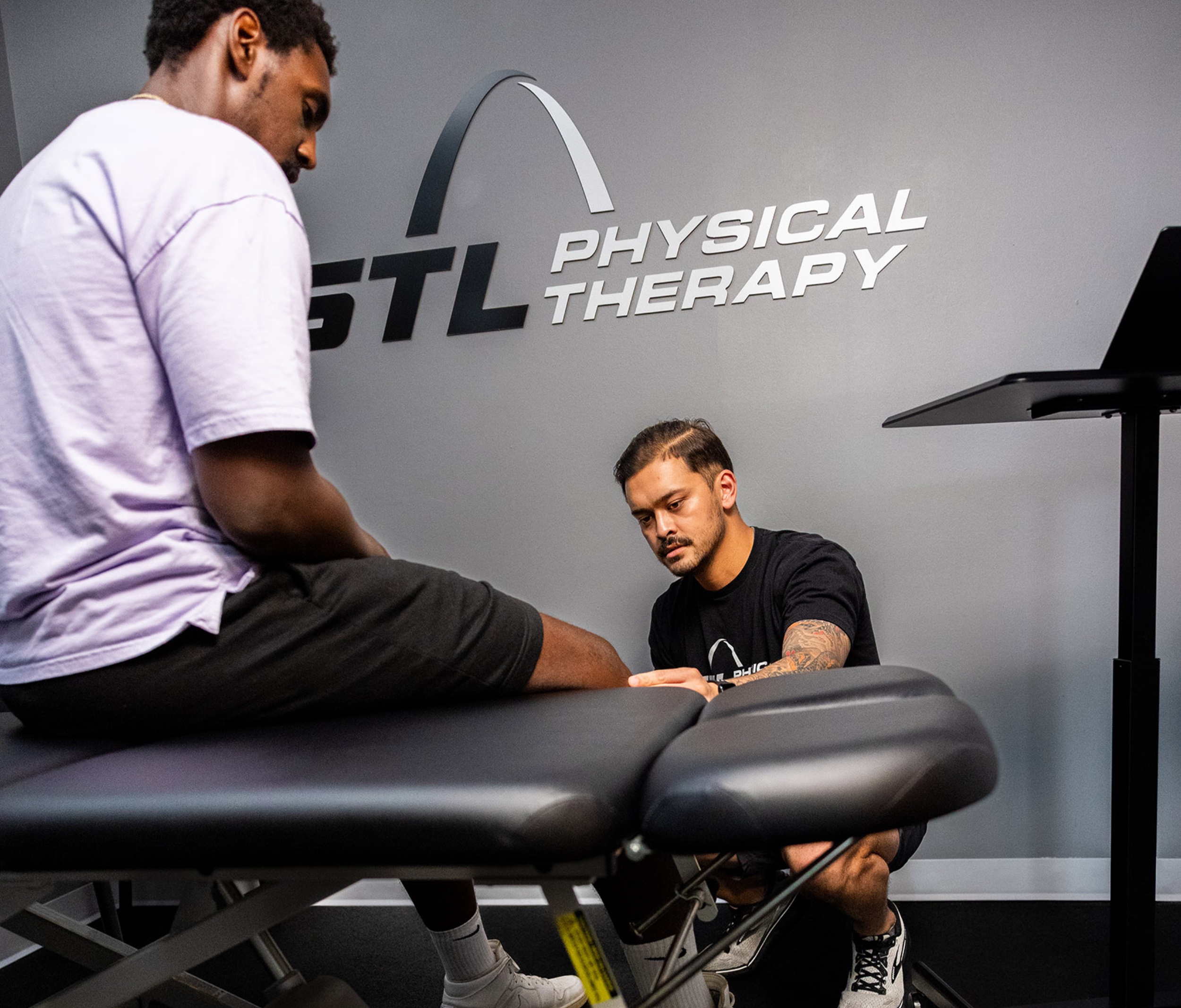
    Then we move to the treatment table. This helps us understand why we are seeing those restrictions in the simulator. Is it a mobility issue? Is it a strength issue? The answer changes the plan.

    You will leave with a corrective exercise program that usually takes 10 to 15 minutes a day. It typically includes soft tissue work like foam rolling or a lacrosse ball, mobility exercises, and stability work to help you use your new range of motion.

    Visit Two: Training Your Sequence

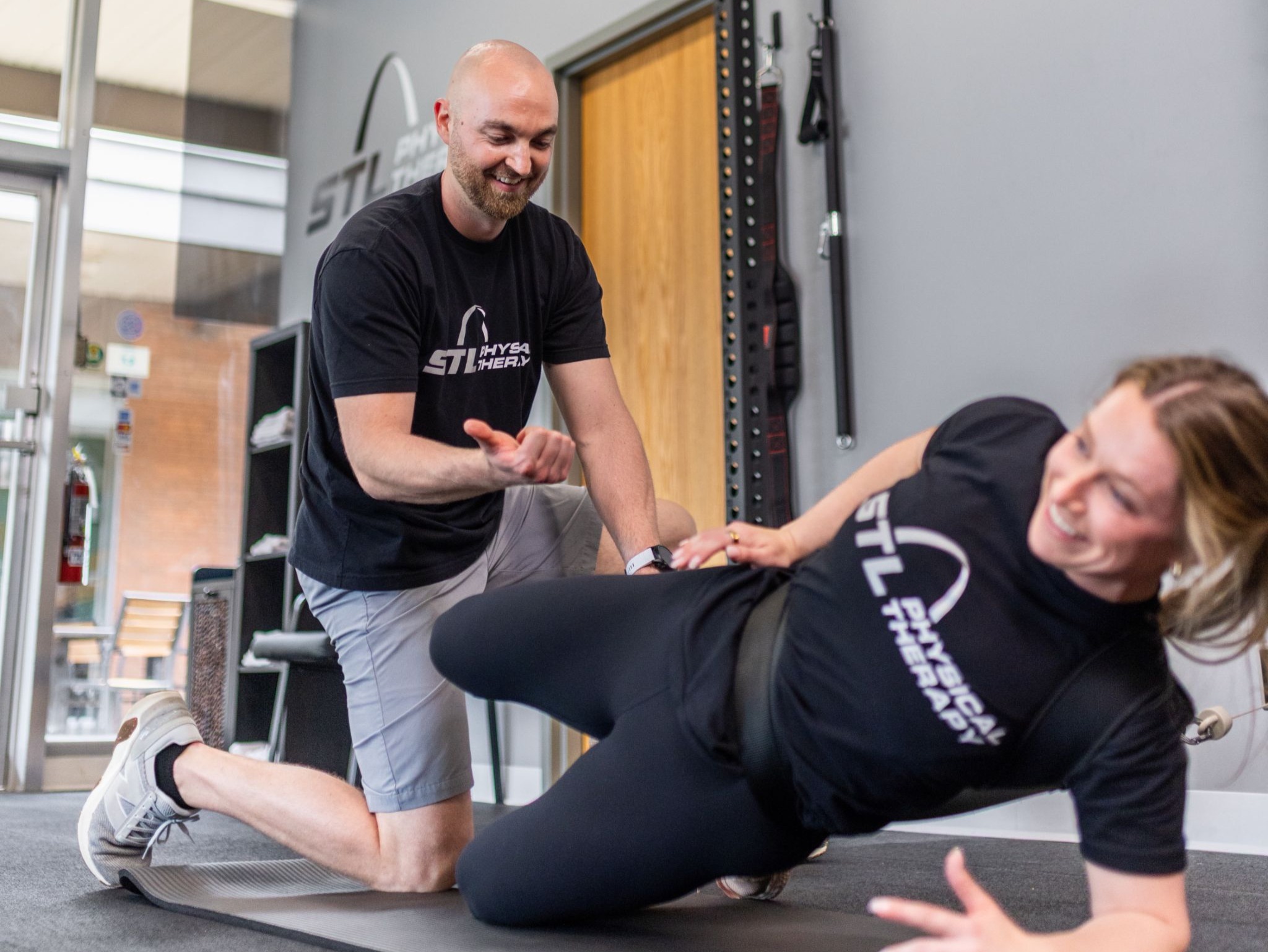
    About a week later, we review your program, make progressions as needed, and introduce rotational power work. Medicine ball training is one of the tools we use often here. It gives you instant feedback on how much power you are producing and helps teach your body to generate force through the lower body instead of relying on your upper body.

    Rotational power work is not limited to medicine balls. Depending on what we find, your program may also include cable and pulley movements, landmine exercises, and other rotational strength exercises.

    Visit Three: Adding Strength and Capacity

    From there, we keep progressing your mobility and power work and add a strength component. The goal is to build more capacity and resilience so your body can handle the demands of the swing across a full round and a full season.

    Visit Four: Retesting Your Kinematic Sequence in the Simulator

    About three weeks after your initial evaluation, we warm you up, run through your corrective work, and put you back in the golf simulator to retest.

    This is one of our favorite parts of the process. Instead of telling you that you are moving better, we can show you how your sequence, mobility, and metrics have changed. That makes it easier to see what is working and what to focus on next.

    Every golfer is different, so results will vary. Still, the research on training golfers is encouraging: physical training programs lasting four weeks or longer improved club head speed, ball speed, and carry distance in golfers, although the authors noted the overall certainty of the evidence was still low.

    Support Between Visits

    Doing exercises on your own for a week can bring up questions. Am I doing this right? Should this movement feel uncomfortable? Is it okay to keep going?

    At STL Physical Therapy, every client gets their physical therapist’s cell phone number. If something does not feel right, you do not have to wait until your next appointment to get an answer. Just send us a text and we can adjust your program on the fly if needed.

    That matters for golfers because practicing a movement the wrong way for a week or two can slow your progress. Staying connected helps you keep moving in the right direction.

    Why the Off-Season Is the Perfect Time to Start

    Many golfers in St. Louis put their clubs away when the weather turns cold. That makes late fall and winter one of the best times to work on the body behind your swing.

    You have just finished a full season, so you probably know exactly what bothered you. Maybe your back was sore after rounds, or you noticed you were not hitting it as far as you used to. Those details are still fresh, which makes it the right time to act on them.

    Mobility and strength also fade without consistent work. Golfers who stop doing their exercises often notice the change in their swing, even when nothing else about their game has changed. Ten yards might not sound like much, but every golfer knows it can mean a different club into the green.

    Using the off-season to improve how you move can help you show up in spring ready for your first drive instead of spending the first month of the season trying to find your swing again.

    Frequently Asked Questions

    Can I improve my kinematic sequence without changing my swing mechanics? 

    Yes. We do not change your swing mechanics. We work on the mobility, strength, and power your body needs to sequence well, which gives your swing a better foundation to work from.

    Do I need to be in pain to schedule a golf movement assessment? 

    No. Many golfers come in because they want to regain distance, improve rotation, or get ahead of problems before they turn into pain.

    What if my swing already looks pretty good? 

    That is great, and it gives us a strong baseline. We still complete a full evaluation on the treatment table, and that almost always shows us something we can improve. Golf is a game where there is always something to work on.

    Who is a golf movement assessment best for? 

    It is a great fit for golfers over 40 who are starting to feel stiffness, aches, or a drop in performance. It can also help any golfer who wants to understand how their body is affecting their game.

    See Your Kinematic Sequence in Our New Golf Simulator

    Your swing can only be as good as the body behind it. If pain, stiffness, or lost distance has started affecting your game, looking at your kinematic sequence in golf can help you understand why and give you a clear plan to move better.

    Our new golf simulator lets us measure where you are today, build a plan around what we find, and retest so you can see your progress. It is one part of our broader physical therapy for golfers program, built to help you play with less pain, more power, and more confidence.

    See your kinematic sequence for yourself. Schedule your golf movement assessment with our new golf simulator and start building a stronger swing before next season.

  • Low Back Pain and Your Golf Swing: What’s the Connection?

    Low Back Pain and Your Golf Swing: What’s the Connection?

    If your lower back tightens up halfway through a round or aches the morning after eighteen holes, you are not alone. Golf swing lower back pain is something we see often at STL Physical Therapy, from weekend golfers to low handicappers who play several times a week.

    The golf swing asks a lot of your body. Your spine has to handle rotation, side bending, and forward flexion through a fast, repeated movement. When other areas of your body are not moving or supporting you the way they should, your low back can end up taking on more of that load.

    It is easy to assume that soreness is simply part of playing golf, especially as you get older or start playing more frequently. But recurring pain can also be a sign that your body is having trouble keeping up with the demands of your swing.

    At STL Physical Therapy, we work with golfers across St. Louis who want to understand what is actually driving their back pain, not just manage it from one round to the next. Looking at how your body moves during your swing can help us identify what may be contributing to the problem and what needs to change.

    Book your evaluation today and find out what may be behind your golf-related lower back pain.

    Why the Golf Swing Puts So Much Stress on Your Low Back

    Golf may look smooth from the outside, but a powerful swing puts significant forces through your body. Research on golf and low back pain has found that the lumbar spine can experience compressive forces several times your body weight during the swing, particularly around impact.

    Part of the challenge is that your spine is being asked to do several things at once. A full golf swing combines rotation, lateral bending, and flexion. When rotation and side bending happen together under load, the joints and discs in the lower back can experience significant repeated stress.

    That does not mean golf is inherently bad for your back. The bigger question is whether the rest of your body is helping manage those demands.

    Your hips, thoracic spine, core, and glutes all have a role in creating and controlling the movement of your swing. When those areas have enough mobility and strength, the load can be distributed more efficiently. When they do not, your lower back often has to compensate, swing after swing and round after round.

    When Does Your Low Back Work Hardest During the Golf Swing?

    Not every part of the swing places the same demands on your spine. The downswing, impact, and early follow-through are especially demanding because this is where rotation, lateral bending, and force production come together.

    It is also where power has to move efficiently through your body and into the club.

    If your hips or upper back cannot rotate well through this part of the swing, your lower back may try to create the movement you are missing elsewhere. You might be able to compensate for a while without noticing much of a problem, but repeated over hundreds or thousands of swings, that extra stress can start to add up.

    What Is Usually Behind Golf Swing Lower Back Pain?

    Golf swing lower back pain rarely comes down to one single issue. More often, we see a combination of mobility restrictions, strength deficits, and swing compensations that have developed gradually over time.

    Limited Hip Rotation

    Your hips play an important role in generating and transferring force during the golf swing. During the downswing, they need enough mobility to rotate and transfer weight without forcing your lower back to make up the difference.

    When hip rotation, particularly in the lead hip, is limited, your lumbar spine may rotate more than it should to keep the swing moving.

    Improving hip mobility for golfers is not about becoming as flexible as possible. It is about having enough usable motion to complete your swing without asking your lower back to compensate for movement you do not have elsewhere.

    Limited Thoracic Spine Mobility

    Your thoracic spine, or the upper and middle portion of your back, should handle a significant amount of rotation during the backswing and downswing.

    If that area is stiff, which is common for people who spend a lot of their day sitting, your lower back may pick up the slack. Less rotation available through your upper back can mean more movement and stress through your lumbar spine.

    Weak Core and Glute Muscles

    Mobility is only part of the equation. Your body also needs enough strength and control to manage the forces created during your swing.

    Your abdominal muscles, glutes, and the muscles surrounding your spine help stabilize your body as you rotate and transfer force. When they are not doing their share of the work, your lower back has less support during the most demanding parts of the swing.

    Building core strength for golfers should focus on more than traditional sit-ups or crunches. Golf requires your core to control rotation, transfer force, and keep your trunk stable while the rest of your body moves around it.

    Swing Faults That Add Up

    Certain swing patterns can also place extra strain on the lumbar spine.

    That may include excessive side bending away from the target without proper weight transfer, rotating beyond the range of motion your hips and thoracic spine actually have, or arching your lower back excessively at address or through the follow-through.

    These patterns do not always start as technical problems. Sometimes they develop because your body is finding another way to complete the swing when mobility or strength is limited somewhere else.

    That is why simply telling someone to “fix their swing” does not always solve the problem. You also have to determine whether their body has the capacity to make that change.

    How Low Back Pain Can Change the Way You Play

    Lower back pain does more than make a round uncomfortable. It can start changing the way you swing, sometimes without you realizing it.

    Golfers dealing with recurring pain may shorten their backswing, rotate less through impact, or rely more heavily on their arms to generate speed because a full turn feels uncomfortable or unstable.

    Those compensations can eventually show up in your game as lost distance, inconsistent contact, or a swing that feels harder to repeat.

    We often see this with golfers who initially come to us because their performance has changed rather than because their pain feels severe. Once we address the mobility, strength, and control behind their swing, they may notice that both their back and their golf game begin to feel better.

    This is closely connected to overall golf swing mechanics. If you want a deeper look at how mobility, stability, and sequencing work together, our guide to proper golf swing mechanics explains what an efficient swing requires from your body.

    How Physical Therapy Can Help You Swing With Less Pain

    At STL Physical Therapy, we do not look at your lower back as an isolated problem. We look at how your hips, thoracic spine, core, glutes, and lower back are working together and how those pieces relate to your golf swing.

    lower back pain treatment

    Your plan is then built around what we find during your evaluation and what you want to get back to doing.

    A Golf-Specific Movement Assessment

    We start by looking at your mobility, strength, balance, rotational control, and the movement patterns that matter for your swing.

    Our approach is informed by Titleist Performance Institute (TPI) principles, giving us a golf-specific framework for understanding how the way your body moves may influence your swing.

    At our Creve Coeur location, this assessment can also include 3D motion capture technology, giving us a more detailed, real-time look at how you’re rotating, tilting, and sequencing your movement throughout the swing. It’s not a golf lesson, and it doesn’t replace your instructor. It simply gives us a clearer picture of what your body is doing so we can build a more precise plan.

    The goal is to identify physical limitations that may be making certain swing positions harder to achieve or repeat.

    Restoring Hip and Thoracic Mobility

    If your hips or upper back are not rotating well, your lower back may be doing more work than it should.

    Treatment may focus on improving hip internal rotation, thoracic rotation, and other mobility restrictions that are relevant to your individual swing. The goal is to give your body more options so your lumbar spine does not have to compensate every time you rotate.

    Building Core and Glute Strength

    Having more mobility only helps if you can control it.

    Your core and glutes need enough strength to stabilize your pelvis and spine while force moves through your body. We progressively build strength and control around the movements your golf swing actually requires rather than relying on a generic exercise program.

    Strength on its own is not the whole picture. How that strength gets sequenced through your swing matters just as much. An efficient swing generates power from the ground up, moving from your feet and hips through your core and out through your arms and the club, rather than asking your low back to create that power on its own.

    Medicine ball training is one of the tools we use often to build that sequencing, and it is an area we focus on closely with our golfers. Rotational throws teach your body to generate power from the ground up instead of compensating through your lower back, and they reinforce the kind of weight transfer that creates a more efficient, more powerful swing.

    Addressing Pain Directly When Needed

    Sometimes pain or muscle tightness makes it difficult to move well enough to work on the bigger problem.

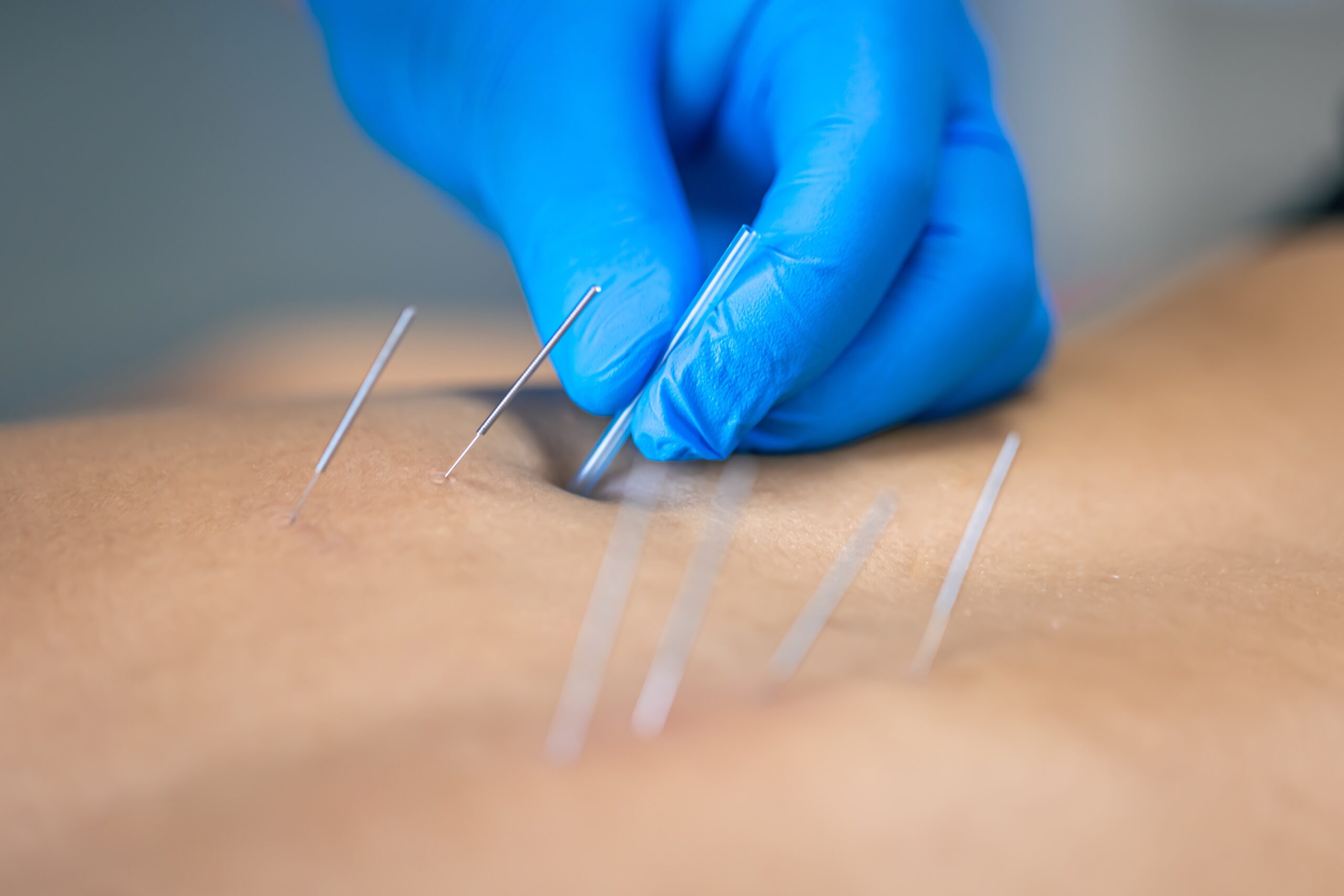
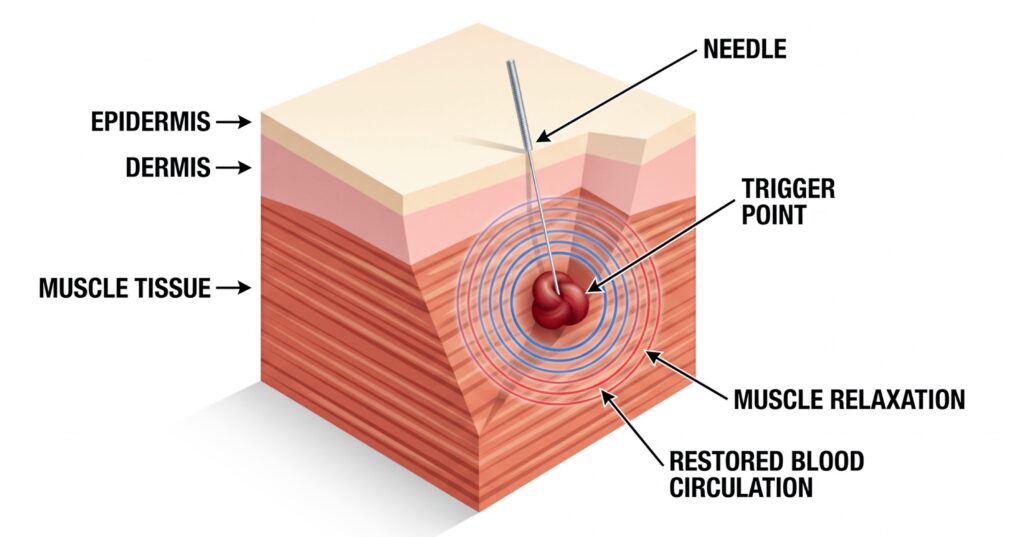
    When appropriate, hands-on treatment and techniques such as dry needling may be used to help reduce symptoms and improve movement. These tools are part of the overall plan, not a standalone solution.

    This is the same movement-based approach we use in our physical therapy for golfers program and our low back pain treatment program, adapted to the specific demands of your golf swing.

    Preventing Low Back Pain Before It Costs You Time on the Course

    You do not have to wait until your back pain forces you to stop playing before doing something about it. Paying attention to how your body feels and moves can help you address smaller issues before they begin affecting your game.

    A few things can help:

    • Warm up before playing with dynamic hip and thoracic mobility movements instead of relying only on practice swings.
    • Include rotational strength and core stability work in your regular training, not just during golf season.
    • Pay attention to early signs such as stiffness after a round or soreness that lasts longer than usual.
    • Consider a golf-specific movement assessment if recurring stiffness, pain, or compensation is starting to change your swing.

    The goal is not simply to avoid pain. It is to build enough mobility, strength, and control to handle the demands of the game consistently.

    Frequently Asked Questions

    Why does my lower back hurt after golf but not during the round?

    This can happen when the repeated stress of swinging, walking, and staying in golf posture builds throughout the round. You may not notice much discomfort while you are moving, but stiffness or soreness can become more noticeable once you cool down.

    If it happens consistently, it may be worth looking at the mobility, strength, and movement patterns contributing to that stress.

    Is golf swing lower back pain a sign of a serious injury?

    Not necessarily. Golf-related low back pain can be associated with mobility limitations, strength deficits, movement compensations, and repetitive stress.

    However, symptoms such as pain traveling into the leg, numbness, weakness, or pain that persists or continues to worsen should be evaluated.

    Can I keep playing golf if my lower back hurts?

    That depends on what is causing the pain and how severe your symptoms are. Some golfers can continue playing while addressing the underlying issue, while others may need to temporarily modify how much they play.

    The important part is not repeatedly pushing through pain without understanding why it keeps happening.

    Will fixing my swing fix my back pain?

    It can help, but changing your swing is only part of the picture.

    If your body does not have the mobility, strength, or control needed to make the new movement, it can be difficult to maintain that swing change. Golf instruction and physical therapy can complement each other by addressing both the technical and physical sides of the game.

    Do I need a referral to start physical therapy in Missouri?

    No. Missouri’s direct access law allows most people to begin physical therapy without first seeing a physician, so you can schedule an evaluation directly.

    Play Without the Ache in Your Lower Back

    Golf swing lower back pain is common, but that does not mean you have to accept it as part of the game.

    Understanding what your swing asks of your body, and making sure your hips, thoracic spine, core, and glutes have the mobility and strength to handle those demands, can make a meaningful difference in how you feel on the course.

    If lower back pain has started changing your swing, limiting how much you play, or making you think twice about another eighteen holes, our team at STL Physical Therapy can help you figure out what is contributing to it and build a plan around your goals. Book your evaluation today and get back to swinging with confidence.

  • Low Back Pain During Pregnancy: How Physical Therapy Can Help

    Low Back Pain During Pregnancy: How Physical Therapy Can Help

    If your lower back starts aching by mid-afternoon, or rolling over in bed has turned into a careful, three-step process, you are far from alone. Back pain during pregnancy is incredibly common, and it is one of the main reasons expecting clients come to see us. The good news is that physical therapy during pregnancy can help you understand what is driving that pain and give you practical ways to move, work, sleep, and stay active with more comfort.

    Your body changes quickly over nine months. Your center of gravity shifts, your posture adapts, your abdominal muscles stretch, and your ligaments become more flexible as your body prepares for delivery. All of that is normal. But those changes can also put more demand on your lower back and pelvis, especially if you are on your feet all day, chasing a toddler, or trying to keep up with your usual workouts.

    Many people are told that back pain is just part of being pregnant. It is common, but common does not mean you have to accept it without help. At STL Physical Therapy, we work with clients through every trimester and right up to full term, with one-on-one care built around how your body is changing and what you want to keep doing.

    Schedule an evaluation and talk with a physical therapist about what may be behind your back pain.

    Why Back Pain During Pregnancy Is So Common

    Research reviews estimate that more than two-thirds of pregnant women experience low back pain, and close to one in five experience pelvic pain. For many, it shows up or gets worse in the second half of pregnancy, when the physical changes are most noticeable.

    There is rarely just one cause. More often, several changes add up at the same time.

    Your center of gravity moves forward. As your baby grows, weight shifts toward the front of your body. To stay balanced, many people lean back slightly and increase the curve in their lower back. Holding that position for hours at a time can leave the muscles and joints of the low back working overtime.

    Your abdominal muscles stretch. Your abdominal wall has to make room for your baby, which changes how well those muscles can support your trunk. When your core is providing less support, your back muscles often try to pick up the slack.

    Your ligaments become more flexible. Hormones such as relaxin and progesterone loosen ligaments and joints, especially around the pelvis. That flexibility helps prepare your body for delivery, but it also means the muscles around your hips and pelvis have more work to do to keep you stable.

    Your daily routine keeps going. Work, commuting, lifting older kids, household tasks, and poor sleep all add load to a body that is already adapting. Pain often builds gradually from that combination rather than from one specific moment.

    Low Back Pain or Pelvic Girdle Pain? Knowing the Difference

    Not all back pain during pregnancy comes from the same place, and that matters when it comes to treatment.

    Lumbar pain is felt in the lower back itself, above the waist and along the spine. It often feels like a dull ache that gets worse with long periods of sitting or standing, and it may ease when you change positions.

    Pelvic girdle pain is felt lower, in the back of the pelvis near the sacroiliac joints, across the buttocks, or at the front of the pelvis where the pubic bones meet. It is often aggravated by climbing stairs, standing on one leg, turning over in bed, or getting in and out of the car. Some people feel a sharp or catching pain with these movements rather than a steady ache.

    Many clients have some of both. Sorting out where your pain is coming from (and which movements set it off) helps us choose the right strategies instead of giving you a generic list of stretches that may not match your symptoms.

    How Back Pain Can Change the Way You Move

    Back pain during pregnancy does more than make you uncomfortable. It can gradually change the way you move through your day.

    You might start avoiding stairs, shortening your stride when you walk, or skipping the workouts that used to help you feel like yourself. You might shift your weight to one leg when standing or twist awkwardly to get out of bed. Those small adjustments make sense at the moment, but over time they can lead to stiffness, less strength, and more sensitivity in the areas that were already sore.

    Staying active matters during pregnancy. Regular movement supports your strength, energy, and mood, and it can make the physical demands of late pregnancy, delivery, and life with a newborn feel more manageable. The goal is not to stop moving because of pain. It is to find ways to keep moving that your body tolerates well.

    How Physical Therapy During Pregnancy Can Help

    Physical therapy during pregnancy is not about pushing through pain or following a one-size-fits-all routine. It is about understanding how your body is changing, finding what is overloaded, and building the strength and movement strategies that help you stay comfortable and active.

    Here is what that can look like at STL Physical Therapy.

    A One-on-One Movement Assessment

    Every plan starts with a thorough evaluation. We look at your posture, how you move through everyday tasks like sitting, standing, bending, and walking, and which specific movements bring on your symptoms. We also look at strength and mobility in your hips, pelvis, trunk, and upper back.

    Just as important, we talk about your life. What does a normal day look like? Are you still training, running, or playing a sport? Do you have a physically demanding job? Your plan should reflect what you actually need to do, not just where it hurts.

    Building Strength That Supports Your Changing Body

    As your abdominal muscles stretch and your ligaments loosen, strength becomes one of your best tools for stability. We focus on the muscles that help support your pelvis and spine, including your glutes, deep core muscles, and the muscles around your hips.

    Exercises are chosen and progressed based on how you feel, how far along you are, and what your provider has cleared you to do. They are adjusted as your body changes, because what works at 16 weeks may need to look different at 34 weeks.

    Restoring Mobility Where You Need It

    When your hips or upper back get stiff, your lower back often ends up doing more than its share. Gentle mobility work for the hips, thoracic spine, and surrounding muscles can help take pressure off the areas that are working too hard and make everyday movements feel easier.

    Breathing, Core, and Pelvic Floor Working Together

    Your diaphragm, deep abdominal muscles, and pelvic floor work as a team to support your trunk. Pregnancy changes how that system functions, which can affect stability and comfort in your back and pelvis.

    We teach breathing and core strategies that help these muscles work together during the movements you do every day, such as lifting, getting out of a chair, or carrying groceries. This also sets a helpful foundation for your recovery after delivery.

    Hands-On Care and Practical Strategies for Daily Life

    When appropriate, hands-on techniques can help ease muscle tension and improve how your joints move so that exercise feels more comfortable. We also give you practical strategies you can use right away, such as better sleeping positions, easier ways to get in and out of bed or the car, how to set up your workstation, and when a support belt might help.

    These tools are part of a bigger plan. The real goal is helping you build the strength and confidence to keep moving well through the rest of your pregnancy and beyond.

    Is Physical Therapy During Pregnancy Safe?

    For most people with a healthy pregnancy, yes. Physical therapy during pregnancy is built around safe, controlled movement and is adjusted for each trimester. The American College of Obstetricians and Gynecologists notes that exercise can strengthen and stretch the muscles that support your back and legs and can help ease back pain.

    We always recommend keeping your OB or midwife in the loop, especially if you have a high-risk pregnancy or have been given specific activity restrictions. Your care should work alongside the guidance from your prenatal provider, not around it.

    Simple Ways to Ease Back Pain at Home

    A few small changes can make a real difference between visits:

    • Sleep on your side with a pillow between your knees and another supporting your belly.
    • Change positions often. Try not to sit or stand in one spot for too long.
    • Wear supportive, low-heeled shoes with good arch support.
    • When lifting, bend your knees, keep the object close to your body, and avoid twisting.
    • Keep your knees together when rolling over in bed or getting out of the car to reduce strain on your pelvis.
    • Stay active with movement you tolerate well, such as walking or swimming, if your provider has cleared you to exercise.
    • Try heat or ice on sore muscles for short periods.

    If these strategies are not enough, or your pain keeps limiting what you can do, that is a good sign it is time to get a closer look.

    When to Call Your Doctor Right Away

    Most back pain during pregnancy is musculoskeletal, but some symptoms need prompt medical attention. Contact your OB or midwife if your back pain is severe or lasts longer than two weeks. Seek care right away if back pain comes with:

    • Vaginal bleeding or fluid leaking
    • Fever
    • Burning with urination
    • Rhythmic cramping or tightening that could signal contractions
    • Numbness, tingling, or weakness in your legs

    These can be signs of preterm labor, infection, or another issue that should be evaluated by your medical provider first.

    Frequently Asked Questions

    When should I start physical therapy during pregnancy? 

    There is no need to wait until your pain is severe. Many clients start as soon as they notice back or pelvic discomfort that is not going away or is starting to change how they move. Starting early often makes it easier to stay ahead of symptoms as your pregnancy progresses.

    Can I keep working out if my back hurts? 

    In many cases, yes, with some adjustments. The goal is usually to modify your training rather than stop completely. A physical therapist can help you figure out which exercises to keep, which to change, and which to set aside for now based on your symptoms and your provider’s guidance.

    Will my back pain go away after I give birth? 

    For many people, back and pelvic pain improves in the weeks and months after delivery. For others, it lingers, especially if strength and movement habits have changed a lot during pregnancy. Building strength now can help set you up for an easier recovery later.

    Is a pregnancy support belt a good idea? 

    A support belt can help some people, particularly those with pelvic girdle pain, by giving the pelvis a little extra support during walking or standing. It works best alongside strengthening, not as a replacement for it.

    Do I need a referral to start physical therapy in Missouri? 

    No. Missouri’s direct access law allows most people to begin physical therapy without first seeing a physician. During pregnancy, we still recommend letting your OB or midwife know you are starting physical therapy so everyone is on the same page.

    Stay Active and Comfortable Through Every Trimester

    Back pain during pregnancy is common, but you do not have to simply wait it out. Understanding why your back and pelvis are working harder, and building the strength and movement strategies to support them, can help you stay comfortable, active, and confident as your body changes.

    At STL Physical Therapy, we offer one-on-one physical therapy during pregnancy for clients across St. Louis, from the first signs of discomfort through full term. If low back pain is making it harder to work, sleep, train, or get through your day, schedule an evaluation and let’s build a plan that helps you keep doing what you enjoy.

  • Low Back Pain from Sitting: Why It Happens and How PT Helps

    Low Back Pain from Sitting: Why It Happens and How PT Helps

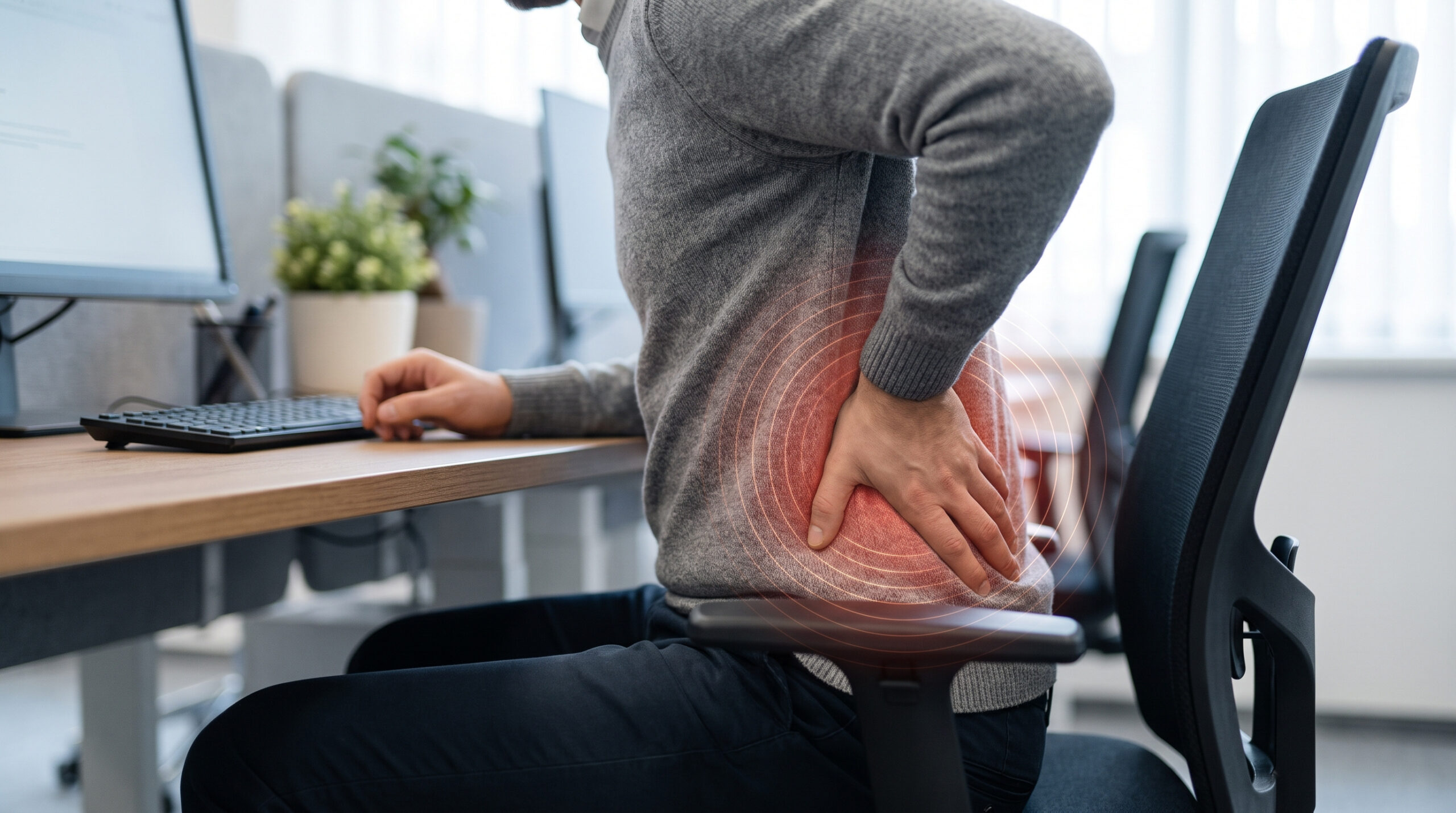
    If you spend most of your day at a desk, you probably know the feeling. Your back feels fine in the morning, but by the middle of the afternoon, it starts to ache, tighten up, or simply feel stiff. Then you stand up after a long meeting or a few hours of focused work and realize your body does not want to move quite as easily as it did earlier. Low back pain from sitting is common for people who spend most of their workweek at a computer. But that does not mean you have to accept it as part of having a desk job.

    Sitting itself is not necessarily the problem. What often matters more is how long you stay in the same position, how much movement you get throughout the day, and whether your hips, core, and the rest of your body have the strength and mobility to handle the demands you place on them.

    Understanding what is driving your back pain is the first step toward doing something about it.

    Why Does Your Low Back Hurt After Sitting All Day?

    Your body is built to move.

    Sitting is part of that. So are standing, walking, bending, lifting, rotating, and changing positions throughout the day. Problems can start when your body spends hours doing only one of those things.

    The best posture is the one that is constantly changing.

    If you sit at a desk for long stretches, your back, hips, and surrounding muscles are repeatedly exposed to the same position. Depending on your posture, desk setup, movement habits, and individual mobility and strength, certain areas may eventually start taking on more work than they handle comfortably.

    That is why two people can sit at similar desks for the same number of hours and have completely different experiences.

    For one person, limited hip mobility may contribute to the problem. For another, it may be reduced trunk or glute strength. Someone else may simply need more movement throughout the day.

    The important question is not just, “How do we make my back stop hurting?”

    It is, “Why is my back having trouble handling what I am asking it to do?”

    That is where a good physical therapy evaluation can make a difference.

    Signs Your Low Back Pain Is Related to Sitting

    Not every low back ache comes from sitting, but your daily pattern can provide some useful clues.

    Low back pain from sitting may be connected to your workday if you notice:

    • Pain or stiffness that gradually builds throughout the workday
    • Discomfort after sitting through long meetings or focused work sessions
    • Stiffness when you first stand up from your desk
    • Symptoms that improve once you start walking or moving
    • Tightness through your hips or glutes along with your back discomfort
    • Less pain on weekends or days when you spend less time sitting
    • Symptoms that have gradually developed over weeks or months rather than after one specific injury

    If this sounds familiar, the answer is not necessarily to stop sitting altogether. It may be about helping your body become better prepared to handle sitting while adding more movement into your day.

    Small Changes Can Make a Big Difference

    You do not need to completely redesign your office or buy the most expensive chair available to start making your workday easier on your back.

    Start with the basics.

    Your screen should be positioned so you are not constantly looking down or leaning forward. Your chair should allow your feet to stay supported, and your keyboard and mouse should be positioned so you can work without constantly reaching or shrugging your shoulders.

    But even a great ergonomic desk setup does not replace movement.

    One of the simplest things you can do is change positions regularly. Stand up between meetings. Walk to refill your water. Take a short lap around the office. Work standing for a few minutes if you have that option.

    You do not need a perfect posture that you hold for eight hours. You need options.

    The more comfortable positions your body can move between throughout the day, the less you rely on one position to do all the work.

    How Physical Therapy Helps With Low Back Pain From Sitting

    Changing your desk setup and moving more often can help, but sometimes the problem goes beyond your chair.

    If low back pain from sitting keeps returning, there may be mobility, strength, or movement limitations that need to be addressed.

    At STL Physical Therapy, we do not just look at the place that hurts. We look at how your whole body moves and how that movement relates to what you do every day.

    For someone with a desk job, that may include looking at:

    • Hip mobility and rotation
    • Core and glute strength
    • Spinal mobility and mechanics
    • How you bend, lift, and rotate
    • Your sitting and movement habits throughout the workday
    • Previous injuries or areas that may be compensating
    • The activities you want to get back to outside of work

    From there, your plan is built around what your body actually needs.

    Treatment may include hands-on work to help improve movement or reduce symptoms, mobility exercises, progressive strengthening, and movement coaching. The goal is not to hand you a generic list of stretches and send you home.

    It is to figure out what is limiting you and build the strength and movement capacity you need to handle your day with more confidence.

    Getting Out of Pain Is Only Part of the Goal

    Feeling better is important. But if nothing changes about your body’s ability to handle the demands that contributed to the problem, the same symptoms can show up again.

    That is why strength matters.

    Building strength through your core, hips, glutes, and surrounding muscles can help your body better handle long workdays and the activities you want to do once you leave your desk.

    Maybe that means picking up your kids without worrying about your back. Maybe it is getting back to the gym, running, golfing, playing pickleball, tennis, baseball, soccer or simply making it through the workday without thinking about your back every afternoon.

    The goal is bigger than temporary relief.

    We want you to understand what is happening, build the capacity your body needs, and feel confident using it.

    For some people, dry needling may also be used as part of treatment to help address muscle tightness or improve mobility. It is a tool, not the entire solution. Long-term progress still comes from addressing the movement, strength, and activity demands behind the problem.

    Building Better Habits for Your Back

    You do not need to overhaul your entire routine overnight.

    A few consistent habits can go a long way:

    • Change positions regularly instead of trying to maintain one “perfect” posture all day
    • Take short movement breaks throughout your workday
    • Build strength through your core, hips, and lower body
    • Pay attention to how your body feels after long periods in one position
    • Stay active outside of work rather than avoiding movement because your back feels stiff
    • Address recurring pain before it starts limiting what you can do

    Most importantly, do not assume that pain means your back is fragile or that movement is something you should avoid.

    The right movement, at the right level, is often part of building your way back.

    How STL Physical Therapy Approaches Desk Job Back Pain

    low back pain from sitting

    At STL Physical Therapy, every plan starts with understanding the person in front of us.

    Your first evaluation looks at your symptoms, movement, strength, history, daily routine, and goals. We want to understand not only where your back hurts, but why it may be struggling with the demands of your day.

    From there, you work directly with your physical therapist through a plan designed specifically for you.

    That may mean getting through a full day of work without constantly shifting in your chair. It may mean getting back to lifting, running, golf, tennis, pickleball, or playing with your kids after work.

    Either way, we do not want to stop at helping you feel better.

    We want to help you move better, get stronger, and build the capacity to keep doing the things that matter to you.

    Frequently Asked Questions

    Is a standing desk enough to fix low back pain from sitting?

    Not necessarily. A standing desk gives you another position to use throughout the day, which can be helpful. But standing in the same position for hours is still standing in the same position for hours. Alternating between sitting, standing, walking, and other movement is usually more useful than relying on one position all day.

    How long does it take for low back pain from sitting to improve?

    It depends on what is contributing to the pain, how long it has been going on, and what your body needs. Some people notice changes relatively quickly, while others need more time to rebuild strength, mobility, and tolerance. Your evaluation helps establish a plan based on your specific situation rather than a generic timeline.

    Can I still exercise if my back hurts after sitting all day?

    In many cases, yes. Staying active and progressively building strength can be an important part of recovery. Your physical therapist can help you determine which activities you can continue, what may need to be modified temporarily, and how to progress safely.

    Do I need a referral to see a physical therapist in Missouri?

    Missouri allows direct access to physical therapy, which means you can typically schedule an evaluation without first getting a physician referral. Some insurance plans may have separate requirements for reimbursement.

    Do I need to stop sitting altogether?

    No. The goal is not to eliminate sitting from your life. It is to help your body tolerate the positions and activities your life requires. That usually means combining better movement habits with the mobility, strength, and capacity to handle your workday comfortably.

    Your Back Should Be Ready for More Than Your Desk

    Low back pain from sitting does not have to become something you simply expect every afternoon.

    Sometimes a few changes to your workday can help. Other times, recurring pain is a sign that your body needs more mobility, strength, or a better strategy for handling the demands you place on it.

    At STL Physical Therapy, we look beyond the painful area to understand what is actually driving the problem. Then we build a plan around your body, your workday, and the things you want to keep doing outside of work.

    Ready to get answers and start moving with more confidence?

    Book an Evaluation or call (314) 275-0703.

  • Youth & High School Football: Common Injuries and How Physical Therapy Helps Prevent Them

    Youth & High School Football: Common Injuries and How Physical Therapy Helps Prevent Them

    Football season in St. Louis means Friday night lights, packed practice schedules, and the contact and quick bursts of speed that make the sport what it is. It also means a real jump in physical demand on bodies that are often still growing.

    Youth and high school football injuries are common once two-a-days start and the season picks up. Some come from contact. Many others build gradually from the cutting, tackling, and sprinting the game requires, especially before an athlete’s body has fully adjusted to the season’s workload.

    Understanding why these injuries happen, which ones show up most often, and how physical therapy fits into keeping a young athlete on the field can help parents, coaches, and players approach the season with a plan instead of just hoping for the best.

    Why Youth and High School Football Injuries Happen So Often

    Football asks a lot of the body. Players accelerate, decelerate, change direction, and absorb contact, often within the same play. That combination of speed and impact is part of what makes the sport demanding on joints, muscles, and connective tissue.

    A multi-year study of high school athletes found an overall football injury rate of about 4 injuries for every 1,000 athlete exposures, with games producing injuries at nearly six times the rate of practices. That gap makes sense. Games move faster, contact is more consistent, and athletes are pushing closer to their physical limits than they typically do in a controlled practice setting.

    Interestingly, the total number of injuries tends to split fairly evenly between practices and games over a season. Practices simply happen far more often, so even a lower injury rate per practice adds up. That is one reason a solid preseason and in-season training plan matters just as much as game-day preparation.

    The Most Common Youth and High School Football Injuries

    Not every football injury looks the same, and understanding the most frequent types can help parents and athletes know what to watch for.

    Concussions

    Concussions are one of the most closely watched injuries in youth and high school football because they can happen during tackles, collisions, and other contact on the field. Players in positions that are frequently involved in contact, such as running backs and linebackers, may face greater exposure to these types of impacts.

    Any suspected concussion should be evaluated before an athlete returns to practice or a game, even if symptoms seem mild. Headache, dizziness, confusion, and sensitivity to light are common signs. Athletes should also follow the appropriate medical evaluation and return-to-play process before getting back on the field.

    Sprains and Strains

    Ligament sprains and muscle or tendon strains are the most frequently reported injuries in both practices and games, often affecting the ankle, knee, or hamstring. These usually come from the cutting, planting, and sprinting movements that repeat throughout a practice or game, especially when an athlete’s body is fatigued.

    Knee Injuries

    The knee is one of the most commonly injured areas in football, and ongoing knee pain is worth addressing rather than playing through it. The cutting, tackling, blocking, and sudden changes in direction that are part of the game can place significant stress on the knees. Depending on the position and type of contact, football players may experience ligament injuries such as MCL or ACL injuries.

    Shoulder Injuries

    Collarbone fractures, AC joint separations, and rotator cuff strain show up often, particularly for quarterbacks and defensive backs who take repeated falls and tackles on outstretched arms or exposed shoulders. Shoulder pain that lingers after a hard fall or tackle is worth having checked rather than assuming it will settle on its own.

    Overuse Injuries Tied to Growth

    Younger athletes face a category of injury that is less about a single play and more about accumulated stress. Conditions like Osgood-Schlattere, which causes pain below the kneecap, tend to show up during growth spurts when bones, tendons, and muscles are not developing at the same pace. Fall camp, with its jump in training volume, is a common time for these overuse injuries to surface.

    Why Age and Growth Change the Picture for Young Football Players

    A high school senior and a seventh grader are not managing the same physical demands, even if they play the same position. Growth spurts can affect coordination, flexibility, and movement control in young athletes, which changes how their bodies respond to contact and repetitive movement.

    Younger players are also more likely to be playing multiple sports, specializing earlier, or jumping into a full practice schedule without much of a training base. Without some off-season strength and movement work, that combination can raise the risk of both contact injuries and overuse issues once the season starts.

    This is part of why building strength and movement quality before the season begins matters just as much for a 12-year-old as it does for a varsity starter, even though the training itself should look different at each age and stage.

    How Physical Therapy Helps Prevent Youth and High School Football Injuries

    Preventing youth and high school football injuries starts well before the first snap of the season. A physical therapist can look at how an athlete moves as a whole and build a plan around what that specific player actually needs.

    A typical approach includes:

    • Movement and strength assessments before the season, to identify limitations in mobility, strength, or balance before they turn into an injury
    • Position-specific strength training, since a lineman, a receiver, and a linebacker place different demands on their bodies
    • Landing, cutting, and deceleration mechanics, teaching the body to absorb force safely during the quick direction changes that show up in nearly every play
    • Neck and shoulder strengthening, which can help the body better tolerate the contact that comes with tackling and blocking
    • Conditioning built around the heat, since fall football practices in Missouri can mean training in high temperatures and humidity. Gradually increasing the intensity and duration of practices can help athletes adjust to the conditions and prepare for the physical demands of the season.

    None of this replaces good coaching or proper equipment. It works alongside them, giving a young athlete’s body a better chance to handle everything the season asks of it.

    Signs a Young Athlete Should Be Evaluated

    Not every ache after practice needs a visit to a physical therapist, but a few situations are worth taking seriously rather than waiting out:

    • Joint pain or swelling that does not improve with a few days of rest
    • Limping or noticeably favoring one side during or after activity
    • A joint that feels unstable, loose, or gives way
    • Loss of range of motion in a shoulder, knee, or ankle
    • Any concussion symptom after a hit, including headache, dizziness, confusion, nausea, or sensitivity to light

    That last one deserves extra weight. An athlete should never return to practice or a game the same day a concussion is suspected, regardless of how they say they feel.

    How STL Physical Therapy Supports Youth and High School Football Players

    At STL Physical Therapy, working with young athletes starts with a 1-on-1 evaluation rather than a generic program. That means looking at strength, mobility, movement mechanics, and training history before building a plan specific to that athlete’s age, position, and goals.

    Our team works with athletes across a range of sports, and the same principles that guide our youth sports injury prevention and youth athlete strength training programs apply directly to football. Whether the goal is getting ready for a first season of tackle football, coming back from a concussion, knee, or shoulder injury, or simply moving with more confidence on the field, care starts with understanding how that athlete actually moves. 

    Frequently Asked Questions

    Can youth and high school football injuries be prevented completely?

    No program removes all risk from a contact sport, but structured strength training, movement assessments, and conditioning have been shown to meaningfully reduce injury risk when they are part of a regular routine.

    Does my child need to stop playing if a concussion is suspected?

    They should stop playing immediately and be evaluated before returning. That does not mean the season is over. It means getting a clear picture of what is going on so the right return-to-play process can be followed.

    At what age should a young football player start injury prevention training?

    Structured, supervised training can start as early as 7 or 8 years old, with a focus on movement quality and technique rather than heavy loads. The approach should evolve as the athlete grows and takes on more demanding levels of play.

    Do I need a referral to be evaluated in Missouri?

    Not necessarily. Missouri’s direct access law allows most people to begin physical therapy without a physician referral first, so an evaluation can often start right away.

    What happens during a pre-season evaluation?

    A typical evaluation looks at strength, mobility, balance, and movement patterns specific to football, usually taking about an hour. From there, a physical therapist can flag any areas that may need attention before the season ramps up.

    Help Your Athlete Have a Strong, Healthy Season

    youth and high school football injuries

    Youth and high school football injuries are not something families have to just accept as part of the game. With the right preparation, many can be reduced, and athletes who do get hurt can return with a plan built around getting back to full performance, not just getting back on the field.

    Schedule an evaluation with STL Physical Therapy today and take a proactive step toward a safer, stronger season.

  • Soccer and ACL Injury: How St. Louis Athletes Can Stay on the Field This Fall

    Soccer and ACL Injury: How St. Louis Athletes Can Stay on the Field This Fall

    Fall soccer in St. Louis means practices, weekend tournaments, quick cuts, hard stops, and plenty of time on the field. It also means athletes are putting repeated demands on their knees throughout the season. Soccer ACL injury prevention cannot eliminate every injury, but building strength, control, and better movement habits can help athletes prepare their bodies for the demands of the game.

    The anterior cruciate ligament, or ACL, plays an important role in keeping the knee stable. Soccer places this ligament under stress during many of the movements players perform every practice and game, including sprinting, cutting, changing direction, jumping, and landing.

    For soccer players, the goal should not be to play cautiously or worry about every movement. It should be to build a body that is prepared to handle those movements confidently.

    Why Are ACL Injuries Common in Soccer?

    An ACL injury does not always happen because another player crashes into the knee. Many ACL injuries occur during movements athletes perform on their own, such as quickly changing direction, stopping suddenly, or landing awkwardly after a jump.

    According to the American Academy of Orthopaedic Surgeons, ACL injuries can occur during sudden stops, rapid changes of direction, incorrect landings, and direct collisions.

    Think about how often those situations happen during a soccer game.

    A midfielder plants one foot and cuts to get around a defender. A forward decelerates quickly after chasing a through ball. A goalkeeper lands after challenging for a cross. A defender turns and accelerates in the opposite direction.

    The knee has to manage force quickly in each of these situations. Strength matters, but so do balance, coordination, body control, and the athlete’s ability to absorb and redirect force.

    That is why effective soccer ACL injury prevention should involve more than simply strengthening the knee.

    What Can Soccer Players Do to Reduce ACL Injury Risk?

    There is no exercise that can guarantee an athlete will never tear an ACL. What athletes can do is train the physical qualities that help them handle the demands of soccer more effectively.

    Programs that incorporate strength, balance, landing mechanics, agility, and movement control have been associated with lower overall injury rates when performed consistently.

    A well-rounded prevention program should focus on several areas.

    Build Lower-Body Strength

    Strong muscles help the body absorb and control force.

    For soccer players, training should address the major muscle groups around the hips, thighs, and lower legs. That means looking beyond the quadriceps and building strength throughout the entire lower body.

    Depending on the athlete’s age, training history, and current ability, exercises may include:

    • Squats and split squats
    • Lunges
    • Step-ups
    • Single-leg squats
    • Romanian deadlifts
    • Hamstring strengthening exercises
    • Calf raises
    • Hip strengthening exercises

    The goal is not simply to lift more weight. Good strength training teaches athletes to produce and control force while maintaining strong positions.

    Practice Single-Leg Control

    Soccer is largely a single-leg sport.

    Running, kicking, cutting, and changing direction frequently leave an athlete balancing or producing force through one leg. That makes single-leg strength and stability an important part of soccer ACL injury prevention.

    Exercises such as single-leg squats, step-downs, single-leg deadlifts, and controlled balance drills can help athletes develop better control.

    The key is how the movement looks and feels. Can the athlete maintain control of the hip, knee, and foot? Can they keep that control as the exercise becomes faster or more demanding?

    Those details matter when training begins to look more like the unpredictable environment of a soccer field.

    Train Landing Mechanics

    Jumping is only half of the movement. Athletes also have to land.

    Landing drills can teach players how to absorb force through the hips, knees, and ankles rather than landing stiffly or losing control as they hit the ground.

    Training may begin with simple two-leg jumps and landings before progressing to single-leg landings, lateral movements, and more reactive drills.

    The goal is not to create one “perfect” landing position. It is to help the athlete develop enough strength and control to manage different positions safely and efficiently.

    Work on Deceleration and Change of Direction

    Soccer players spend a lot of time training acceleration and speed. Being able to slow down is just as important.

    Deceleration requires the body to absorb significant force in a short amount of time. If an athlete cannot control that force well, changing direction becomes more difficult.

    Training can gradually progress from planned stops and cuts to faster, more reactive drills that better reflect what happens during a game.

    A player may know exactly when to cut during a drill. During a match, they are reacting to the ball, an opponent, a teammate, and open space at the same time.

    Good training eventually needs to prepare them for that difference.

    A Good Warm-Up Can Be Part of Soccer ACL Injury Prevention

    A warm-up should do more than make athletes feel loose before practice.

    Structured soccer warm-up programs can include running drills, strength exercises, balance work, jumping, landing, and change-of-direction movements. Research on the FIFA 11+ program has found that this type of structured warm-up can help reduce ACL injury risk in competitive soccer players.

    The important word is consistently.

    Doing a few prevention exercises once before the season is unlikely to create meaningful change. Strength, coordination, and movement control develop through repetition.

    For coaches and athletes, that means injury prevention does not necessarily need to become a separate hour-long workout. Some of this training can become part of regular warm-ups, strength sessions, and practice preparation throughout the season.

    Warning Signs Soccer Players Should Not Ignore

    Not every sore knee means there is an ACL injury. Soccer is physically demanding, and some soreness after practices or games can happen.

    Certain symptoms after a knee injury, however, deserve more attention.

    Possible signs of an ACL injury can include:

    • Hearing or feeling a pop in the knee
    • Rapid swelling
    • Difficulty putting weight on the injured leg
    • Loss of knee motion
    • A feeling that the knee is unstable
    • The knee giving way or shifting during movement

    If an athlete experiences these symptoms after twisting, landing, cutting, or colliding with another player, trying to “walk it off” and return to the game may not be the best choice.

    An evaluation can help determine what happened and what the athlete needs next.

    When Should a Soccer Player Get Evaluated?

    soccer ACL injury prevention

    You do not have to wait for a major injury to benefit from an evaluation.

    If knee pain is changing the way an athlete runs, cuts, lands, or plays, it is worth paying attention. The same is true when discomfort keeps returning after practices or games, an athlete feels unstable on one leg, or they no longer trust the knee during soccer movements.

    An evaluation can also be useful for healthy athletes who want to identify areas they can improve before they become a problem.

    At STL Physical Therapy, the goal is to look at the athlete as a whole. That may include strength, mobility, balance, jumping and landing mechanics, change-of-direction ability, and other sport-specific movements.

    From there, training can focus on what that particular athlete needs rather than giving every soccer player the same generic injury prevention program.

    ACL Prevention Should Continue Throughout the Soccer Season

    It is easy to focus on injury prevention during preseason and forget about it once games begin.

    But fall soccer brings its own challenges. Practices, games, tournaments, school schedules, and other activities can add up quickly. As fatigue builds, maintaining strength and movement quality becomes even more important.

    In-season training does not have to look exactly like offseason training. The volume may change depending on the athlete’s schedule, but maintaining strength and movement work can help keep the body prepared throughout the season.

    Athletes should also pay attention to changes. 

    • Is the athlete unusually sore after every practice? 
    • Has knee discomfort started lingering between games? 
    • Are they moving differently late in matches? 
    • Has confidence in cutting or landing changed?

    Catching those changes early gives athletes an opportunity to address them instead of waiting until the problem becomes harder to ignore.

    Keep Your Soccer Season Moving Forward

    Soccer is supposed to be played with speed, confidence, and commitment. Athletes should be thinking about the next pass or the run they are about to make, not worrying every time they plant their foot.

    A thoughtful approach to soccer ACL injury prevention can help athletes build strength, improve movement control, and prepare for the cutting, landing, sprinting, and deceleration demands they face on the field.

    For athletes who want more support with ACL injury prevention and rehab in St. Louis, our team can help build a plan around the demands of your sport.

    If you are dealing with knee pain, returning from an injury, or want to identify potential movement and strength limitations before they interfere with the season, STL Physical Therapy can help.

    Schedule an evaluation with STL Physical Therapy and build a soccer ACL injury prevention plan designed around the athlete, the sport, and the demands of the season.

  • Cash-Based vs. Insurance-Based Physical Therapy: What’s the Difference?

    Cash-Based vs. Insurance-Based Physical Therapy: What’s the Difference?

    If you are looking for a physical therapist, you may come across two different approaches to paying for care: traditional insurance-based physical therapy and cash-based physical therapy. At first, the biggest difference may seem obvious. One bills your insurance company, while the other involves paying the provider directly. But the way a practice gets paid can also influence how care is structured, how much time you spend with your physical therapist, and how much flexibility there is in your treatment plan.

    At STL Physical Therapy, we operate as an out-of-network practice because we want treatment decisions to be based on what each client needs to reach their goals. For active adults and athletes, that can mean going beyond simply reducing pain and spending more time rebuilding the strength, movement, and confidence needed to return to the activities that matter.

    So, what does cash-based physical therapy actually mean, and how does it compare with an insurance-based model? Here is what you should know.

    What Is Cash-Based Physical Therapy?

    Cash-based physical therapy, sometimes called direct-pay physical therapy, is a model where you pay the physical therapy practice directly for your care rather than having the practice bill an insurance company as an in-network provider.

    The word “cash” can make this sound more unusual than it really is. You do not necessarily have to pay with physical cash. It simply means payment is made directly to the provider rather than relying on an insurance company to process and pay the claim.

    The American Physical Therapy Association recognizes direct-pay models as an option for delivering physical therapy services. According to APTA, these models can provide greater transparency around pricing and reduce some of the administrative barriers associated with third-party payment.

    For a physical therapy practice, that can create more flexibility in how care is delivered. Instead of structuring each session around what an insurance plan will reimburse, the physical therapist can focus on what makes the most sense for the person in front of them.

    How Does Insurance-Based Physical Therapy Work?

    With an insurance-based physical therapy practice, the provider typically has a contract with one or more insurance companies. The practice submits the cost of your treatment to your insurance company. Depending on your plan, you may still pay a portion of the cost through a copay, deductible, or coinsurance.

    A deductible is the amount you pay for covered health care before your insurance plan begins paying its share. Copays are typically fixed amounts for covered services, while coinsurance is a percentage of the cost you are responsible for after meeting your deductible.

    This is why having insurance does not always mean a physical therapy visit will have little or no out-of-pocket cost. Your actual responsibility depends on your specific benefits, deductible, network, and coverage.

    Insurance can be valuable, particularly when someone has significant medical expenses. But insurance plans also have their own rules about coverage and reimbursement. Those requirements can influence what services are covered and how care is billed.

    Cash-Based vs. Insurance-Based Physical Therapy: What’s the Real Difference?

    The payment method is only part of the difference.

    In a traditional insurance-based setting, the practice has to work within the requirements of the insurance plans it accepts. In a cash-based or out-of-network setting, there can be more freedom to structure treatment around the client’s goals and the physical therapist’s clinical judgment.

    That difference can affect several parts of the experience.

    More Time With Your Physical Therapist

    One of the biggest reasons STL Physical Therapy uses an out-of-network model is to protect one-on-one time.

    Every session is spent directly with your physical therapist. You are not rotating between several people or moving through a standardized treatment plan while your therapist manages multiple clients at once.

    That gives your physical therapist time to see how you move, understand what is changing, adjust your program, and explain why you are doing what you are doing.

    For someone using sport-specific therapy to return to running, lifting, golf, tennis, basketball, or another sport, those details matter.

    A Plan Built Around Your Goals

    Getting out of pain is important, but it is not always the finish line.

    Imagine a runner whose knee no longer hurts during normal daily activities. From a basic symptom standpoint, things may look much better. But if that runner still cannot tolerate several miles, handle hills, or return to normal training volume, there is still work to do.

    The same applies to an athlete who wants to sprint, cut, jump, throw, or compete again.

    With cash-based physical therapy, treatment can continue to focus on the actual demands you need your body to handle. The goal is not simply to reach a minimum level of function. It is to help you build the strength, mobility, control, and confidence required for your life or sport.

    cash-based physical therapy

    Why STL Physical Therapy Uses an Out-of-Network Model

    STL Physical Therapy was built around a simple idea: physical therapy should give people enough time, attention, and individualized coaching to understand what is happening and make meaningful progress.

    That starts with finding the root cause of the problem rather than only focusing on the area that hurts.

    Your first evaluation looks at your symptoms, movement, strength, history, activities, and goals. From there, your physical therapist develops a plan that may include hands-on treatment, mobility work, progressive strengthening, movement coaching, and sport-specific or activity-specific training.

    Because we operate outside the traditional in-network model, the plan does not have to stop when pain improves. Insurance-based care often ends once you reach your previous level of function, but that previous level of function may be part of what contributed to the injury in the first place. Addressing why the pain or injury happened means building the strength and capacity you need to handle the demands of your activities and reduce the chances of ending up back on the treatment table with the same problem.

    For an active adult, that might mean progressing from pain-free daily movement back to lifting, running, golf, or recreational sports. For an athlete, it might mean moving from rehabilitation into higher-level strength, jumping, sprinting, cutting, throwing, or other sport-specific demands.

    That is what we mean when we talk about bridging the gap between rehab and performance.

    Does Cash-Based Physical Therapy Mean You Cannot Use Insurance?

    Not necessarily.

    Choosing an out-of-network physical therapist does not automatically mean your insurance benefits are irrelevant.

    At STL Physical Therapy, many clients may be able to use out-of-network benefits and self-submit documentation to their insurance company for possible reimbursement. We provide the documentation needed for that process.

    Whether your insurance company reimburses you, and how much it reimburses, depends on your individual plan. Deductibles, coinsurance, out-of-network benefits, and other requirements can all affect your final cost.

    Before beginning treatment, it can be helpful to contact your insurance provider and ask:

    • Does my plan include out-of-network physical therapy benefits?
    • Do I need to meet an out-of-network deductible first?
    • What percentage of an out-of-network physical therapy visit is reimbursable?
    • Do I need a referral or other documentation for reimbursement?
    • How do I submit a claim for an out-of-network provider?

    Understanding those details can help you compare the actual cost of your options instead of assuming that an in-network provider will always cost less.

    Is Cash-Based Physical Therapy More Expensive?

    This is one of the most common questions, and the answer depends on your insurance plan and the type of care you need.

    At first glance, paying directly for physical therapy may look more expensive because you see the cost of the session upfront. With insurance-based care, the true cost can be less obvious until you consider your deductible, copay, coinsurance, and number of visits.

    For example, someone with a high deductible may already be responsible for a significant portion of their in-network health care costs before insurance begins contributing.

    That does not mean cash-based physical therapy is always cheaper. It means comparing the two based only on the price of a single appointment may not give you the whole picture.

    It can be more useful to think about the value of the entire plan. 

    • How much individual time are you getting? 
    • How frequently do you need to come in?
    •  Is the treatment helping you work toward your actual goals? 
    • Are you learning how to manage your body outside of physical therapy?

    Those questions can be just as important as the price of an individual visit.

    Who May Benefit From Cash-Based Physical Therapy?

    There is no single model that is automatically right for everyone.

    Cash-based physical therapy may be worth considering if you value individualized care and want your treatment plan built around specific activity or performance goals.

    At STL Physical Therapy, that often includes:

    • Active adults who want to keep training, exercising, or participating in the activities they enjoy
    • Runners working back toward normal mileage and training
    • Golfers who want to move and swing comfortably
    • Youth, high school, and college athletes returning to sport
    • Baseball, softball, tennis, and pickleball athletes
    • Soccer, basketball, and football athletes
    • People dealing with recurring pain or injuries that keep interrupting their routine
    • People who want to build strength and movement capacity instead of stopping treatment as soon as symptoms settle down

    The right choice ultimately depends on your goals, your insurance benefits, your budget, and the type of physical therapy experience you are looking for.

    Does Insurance Determine the Quality of Physical Therapy?

    No. Whether a practice is cash-based or insurance-based does not automatically tell you whether the physical therapist is good at what they do.

    There are excellent physical therapists working in many different settings.

    What matters is whether the model allows you to receive the type of care you need.

    When comparing physical therapy options, ask about more than insurance coverage. Find out how much time you will spend directly with a physical therapist, whether your treatment is individualized, how progress is measured, and how the practice approaches the transition from pain relief back to full activity.

    If you are an athlete, ask how the practice determines when you are actually ready to return to your sport.

    Those answers can tell you much more about the experience you are likely to receive.

    Frequently Asked Questions About Cash-Based Physical Therapy

    What does cash-based physical therapy mean?

    Cash-based physical therapy means the client pays the physical therapy provider directly rather than having the practice bill an insurance company as an in-network provider. Some cash-based practices may also be considered out-of-network providers, which can allow clients to seek reimbursement depending on their insurance benefits.

    Can I submit cash-based physical therapy to my insurance?

    Possibly. If your plan includes out-of-network physical therapy benefits, you may be able to submit documentation for reimbursement. Coverage varies significantly between insurance plans, so it is important to check your individual benefits.

    Do I need a referral to see a physical therapist in Missouri?

    Missouri allows direct access to physical therapy, which means you can generally schedule an evaluation without first getting a physician’s referral. However, insurance requirements can be different, and some plans may require a referral for reimbursement.

    Why would someone choose cash-based physical therapy if they have insurance?

    Some people choose direct-pay care because they value longer one-on-one sessions, greater flexibility in their treatment plan, or a rehab approach that extends beyond symptom relief into strength, performance, and return to activity. The decision depends on your goals and individual insurance benefits.

    Is Cash-Based Physical Therapy Right for You?

    Choosing between insurance-based and cash-based physical therapy is ultimately about finding the model that fits your needs.

    Insurance coverage is an important part of the decision, but it is not the only factor. Think about what you want from physical therapy, how much individual attention you need, what you want to return to, and whether the treatment model can take you all the way there.

    At STL Physical Therapy, our out-of-network model gives us the freedom to provide one-on-one care and build your plan around your goals. Whether you are trying to get out of pain, return to your sport, get back into the gym, or simply feel strong and confident again, we want your treatment to prepare you for the things you actually want to do.

    Ready to Learn More About Cash-Based Physical Therapy in St. Louis?

    If you are unsure whether cash-based physical therapy is the right fit for you, start with a conversation.

    Our team can explain how our out-of-network model works, answer questions about the documentation we provide for potential reimbursement, and help you understand what to expect from your care.

    Schedule an evaluation with STL Physical Therapy and start building a plan designed around your goals, your movement, and the life you want to get back to.

  • Why Your Shoulder Hurts When You Lift: A Physical Therapist’s Guide to Impingement

    Why Your Shoulder Hurts When You Lift: A Physical Therapist’s Guide to Impingement

    If you experience pain every time you reach overhead, press a barbell, or lift something off a shelf, you are not alone. Shoulder pain is one of the most common musculoskeletal complaints among active adults, athletes, and people whose jobs involve repetitive arm movements. Fortunately, many of these cases respond well to shoulder impingement physical therapy, especially when addressed before the problem becomes more severe.

    Understanding why the pain happens is the first step toward lasting relief. In many cases, shoulder impingement is not caused by one single injury. Instead, it develops gradually as muscles, tendons, posture, and movement patterns place extra stress on the structures inside the shoulder.

    At STL Physical Therapy, our team focuses on identifying the source of the problem, restoring healthy movement, and helping people return to the activities they enjoy with confidence.

    What Is Shoulder Impingement?

    The shoulder is one of the most mobile joints in the body. That mobility allows you to lift, throw, push, pull, and reach in almost every direction.

    To make all of that movement possible, several muscles and tendons work together inside a relatively small space beneath a part of the shoulder blade called the acromion.

    Shoulder impingement occurs when the tendons of the rotator cuff or the nearby bursa become compressed during certain arm movements, particularly when lifting overhead. Repeated compression can lead to irritation, inflammation, and pain over time.

    Although people often describe this as something being “pinched,” the condition usually involves several contributing factors rather than a single structure getting trapped.

    Common Signs of Shoulder Impingement

    Symptoms often begin gradually and may seem minor at first. Many people continue lifting or exercising until the discomfort becomes difficult to ignore.

    Some of the most common symptoms include:

    • Pain when reaching overhead
    • Discomfort during bench press, shoulder press, or lateral raises
    • Pain when reaching behind your back
    • Weakness while lifting objects
    • Difficulty sleeping on the affected shoulder
    • Pain that increases after activity rather than during it
    • A feeling of stiffness or reduced shoulder motion

    These symptoms can also occur with other shoulder conditions, which is why a thorough evaluation is important before beginning treatment. Some shoulder impingement symptoms may overlap with rotator cuff injuries, making an accurate evaluation especially important.

    Why Does Your Shoulder Hurt When You Lift?

    Many people assume lifting itself causes the injury. In reality, the exercise is often exposing an underlying movement problem that has developed over time.

    Several factors can contribute to shoulder pain from lifting, including:

    Poor Shoulder Mechanics

    Healthy shoulder movement depends on precise coordination between the shoulder joint, shoulder blade, upper back, and surrounding muscles.

    If one part of the system is not moving efficiently, extra stress may be placed on the rotator cuff and surrounding tissues.

    Rotator Cuff Weakness

    The rotator cuff muscles help keep the upper arm centered within the shoulder joint during movement.

    When these muscles become weak or fatigued, the shoulder may lose some of its stability, increasing the likelihood of irritation during lifting.

    Limited Thoracic Spine Mobility

    The upper back plays a major role in overhead movement.

    When the thoracic spine becomes stiff, the shoulder often compensates by moving differently, increasing stress on the structures around the joint.

    Shoulder Blade Dysfunction

    The shoulder blade provides the foundation for nearly every upper-body movement.

    If it does not rotate, stabilize, or move efficiently during lifting, the shoulder joint has to work harder. Over time, this altered movement can contribute to impingement symptoms.

    Training Errors

    Rapid increases in training volume, poor lifting technique, insufficient recovery, or repeatedly performing overhead exercises without adequate mobility can all contribute to shoulder irritation.

    How Physical Therapy Helps Shoulder Impingement

    One of the biggest misconceptions about shoulder impingement is that rest alone will solve the problem.

    While temporarily reducing painful activities may help calm irritation, long-term improvement usually requires addressing the movement limitations that caused the symptoms in the first place.

    This is where shoulder impingement physical therapy can make a significant difference.

    A comprehensive evaluation looks beyond the painful area to understand how the entire shoulder complex is functioning.

    Your physical therapist may assess:

    • Shoulder range of motion
    • Rotator cuff strength
    • Shoulder blade movement
    • Thoracic spine mobility
    • Posture
    • Lifting mechanics
    • Functional movement patterns related to work, sports, or daily activities

    Rather than simply treating pain, the goal is to restore efficient movement throughout the entire kinetic chain.

    Exercises Often Used During Shoulder Impingement Physical Therapy

    Every person receives an individualized treatment plan based on their evaluation; depending on your evaluation, treatment may also include dry needling to help reduce muscle tension and improve movement.

    Rehabilitation often includes a combination of:

    Mobility Exercises

    Improving flexibility in the shoulder, chest, and upper back can reduce unnecessary stress during overhead movements.

    Rotator Cuff Strengthening

    Targeted strengthening helps improve shoulder stability while lifting and reaching.

    Scapular Stabilization

    Strengthening the muscles that control the shoulder blade creates a stronger foundation for healthy shoulder mechanics.

    Postural Training

    Improving posture may reduce excessive stress placed on the front of the shoulder during everyday activities and exercise.

    Functional Movement Retraining

    Therapists help people gradually return to lifting by improving technique, correcting compensations, and building confidence with movement.

    Should You Stop Lifting Completely?

    Not necessarily.

    For many people, continuing to move is beneficial, but certain exercises may need to be modified while the shoulder heals.

    Instead of completely avoiding activity, your physical therapist may recommend temporarily reducing painful movements while maintaining exercises that can be performed without increasing symptoms.

    As strength, mobility, and movement quality improve, lifting activities can often be reintroduced gradually.

    When Should You See a Physical Therapist?

    Early treatment often leads to faster recovery and may help prevent symptoms from becoming more persistent.

    You should consider an evaluation if:

    • Shoulder pain has lasted longer than a few weeks
    • Lifting overhead has become increasingly painful
    • You notice weakness during workouts
    • Your shoulder pain is limiting work, sports, or daily activities
    • Rest has not improved your symptoms

    Receiving an accurate diagnosis early can also help rule out other conditions that may require a different treatment approach.

    shoulder impingement physical therapy

    Why Movement Quality Matters

    At STL Physical Therapy, we believe pain is often the result of how the body moves rather than simply where it hurts.

    Movement quality refers to how efficiently your muscles, joints, and nervous system work together during everyday activities and exercise.

    When movement improves, the shoulder is often able to tolerate lifting with less stress on the surrounding tissues.

    That is why shoulder impingement physical therapy addresses more than just painful symptoms. It also focuses on improving the movement patterns that support long-term shoulder health.

    Get Back to Lifting With Confidence

    Shoulder pain should not keep you from staying active or enjoying the activities you love.

    With the right evaluation and treatment plan, many people recover without surgery and return to lifting safely. Shoulder impingement physical therapy focuses on identifying the underlying cause of your symptoms, improving strength and mobility, and helping you move with greater confidence.

    If shoulder pain has been interfering with your workouts or daily routine, the team at STL Physical Therapy is here to help. Schedule your initial evaluation today and learn how shoulder impingement physical therapy can help you return to lifting with less pain and better movement.

  • Dry Needling for Athletes: How It Speeds Up Recovery

    Dry Needling for Athletes: How It Speeds Up Recovery

    Whether you compete in football, baseball, tennis, golf, running, CrossFit, or simply enjoy staying active, recovery plays an important role in helping you perform at your best. Sore muscles, tightness, and lingering discomfort can affect how you move, train, and compete.

    Dry needling for athletes is one treatment that many active individuals use to help reduce muscle tension, improve movement, and recover more efficiently between practices, workouts, and competitions. While recovery often focuses on rest, stretching, and strength training, dry needling can become another valuable tool when incorporated into a comprehensive rehabilitation and performance program.

    At STL Physical Therapy, dry needling is always combined with movement-based treatment, individualized exercise, and hands-on care to help people return to the activities they enjoy with greater confidence.

    What Is Dry Needling?

    Dry needling is a treatment performed by specially trained physical therapists using thin, sterile needles that are inserted into specific muscles known as trigger points. These tight bands of muscle tissue can develop after repetitive movement, overuse, injury, or prolonged muscle tension.

    Unlike injections, dry needling does not introduce medication into the body. Instead, the goal is to stimulate the muscle and nervous system to help reduce tension, improve circulation, and restore more normal muscle function.

    Many athletes describe the treatment as producing a brief muscle twitch followed by a feeling of relaxation or reduced tightness.

    dry needling for athletes

    Why Athletes Develop Muscle Tightness

    Athletic performance places repeated stress on muscles, tendons, and joints. Even when training is well planned, repetitive movements can create areas of muscle stiffness that limit mobility and efficiency.

    Athletes commonly experience tight muscles because of:

    • Repetitive training
    • High practice volume
    • Strength training
    • Competition schedules
    • Previous injuries
    • Limited recovery between workouts
    • Muscle imbalances

    For example:

    • Football players may develop tight hips, hamstrings, calves, or shoulders from repeated sprinting, cutting, and contact.
    • Baseball players often experience shoulder and forearm tightness from repetitive throwing. Working with a therapist who understands throwing mechanics through Baseball Physical Therapy can help address these movement demands
    • Golfers frequently develop stiffness through the upper back, hips, and trunk from rotational movements. Our Golf Physical Therapy programs focus on improving mobility and movement efficiency throughout the golf swing.
    • Tennis players may notice muscle tension in the shoulder, forearm, and lower body after long matches. Specialized Tennis Physical Therapy can help address these repetitive movement demands while supporting healthy performance.
    • Runners commonly experience tight calves, quadriceps, hamstrings, and hip muscles after higher mileage weeks.

    When these movement restrictions are left unaddressed, the body often compensates by changing movement patterns, which can increase stress on other areas.

    How Dry Needling for Athletes Supports Recovery

    One reason dry needling for athletes has become increasingly popular is because it targets muscles that may not fully respond to stretching or massage alone.

    The treatment may help:

    • Reduce muscle tension
    • Improve blood flow to the treated area
    • Restore normal muscle activation
    • Improve joint mobility
    • Decrease discomfort during movement
    • Improve flexibility
    • Support more efficient movement patterns

    For many athletes, these improvements make it easier to participate in rehabilitation exercises, mobility work, and strength training that address the underlying cause of the problem.

    Dry needling is not intended to replace exercise. Instead, it often helps prepare the body to move better during the rest of the rehabilitation process.

    Can Dry Needling Improve Athletic Performance?

    Many athletes ask whether dry needling works to improve recovery and performance.

    The treatment itself is not a performance enhancement technique. Instead, its value comes from helping restore normal movement and reducing limitations that may interfere with performance.

    When muscles move more efficiently, athletes may find it easier to:

    • Sprint
    • Change direction
    • Throw
    • Swing
    • Jump
    • Lift weights
    • Maintain proper mechanics throughout competition

    For example, a football player with limited hip mobility may struggle to accelerate effectively. A baseball pitcher with shoulder tightness may notice reduced throwing efficiency. A golfer with restricted trunk rotation may have difficulty producing a smooth swing.

    By improving movement quality, athletes can often perform rehabilitation exercises more effectively and return to training with fewer movement restrictions.

    Dry Needling Is Most Effective as Part of a Complete Treatment Plan

    Although dry needling can provide meaningful short-term relief, lasting improvements typically come from combining it with other physical therapy treatments.

    At STL Physical Therapy, dry needling for athletes is often incorporated alongside:

    • Movement assessments
    • Manual therapy
    • Strength training
    • Mobility exercises
    • Neuromuscular reeducation
    • Sport-specific rehabilitation
    • Injury prevention strategies

    This comprehensive approach helps identify why the muscles became overloaded in the first place rather than simply treating the symptoms.

    What Does Dry Needling Feel Like?

    Many people are surprised that the needles used during dry needling are much thinner than those used for injections or blood draws.

    During treatment, you may feel:

    • A small pinch as the needle is inserted
    • A brief muscle twitch
    • Mild muscle soreness afterward
    • A feeling of muscle relaxation

    Some athletes notice immediate improvements in mobility, while others experience gradual changes over the following day or two.

    Your physical therapist will determine whether dry needling is appropriate based on your symptoms, medical history, and movement evaluation.

    Is Dry Needling Safe?

    When performed by a licensed physical therapist with specialized training, dry needling is considered a safe treatment for many musculoskeletal conditions.

    Physical therapists follow strict safety procedures, including the use of sterile, single-use needles and careful evaluation before treatment begins.

    Like any treatment, dry needling may not be appropriate for everyone. Your therapist will discuss potential risks, answer your questions, and determine whether it fits your individual plan of care.

    Who Can Benefit From Dry Needling?

    dry needling for athletes

    Dry needling for athletes may be appropriate for individuals participating in many different sports and activity levels.

    It is commonly used for people experiencing:

    • Muscle tightness
    • Sports-related overuse injuries
    • Shoulder pain
    • Hip pain
    • Knee pain
    • Calf tightness
    • Hamstring strains
    • Neck pain
    • Back pain
    • Limited mobility affecting athletic performance

    Whether you play competitive football, baseball, tennis, golf, pickleball, or simply enjoy staying active, improving movement quality is often one of the keys to both recovery and injury prevention.

    Why Movement Assessment Matters

    Muscle tightness is rarely the entire problem.

    Often, tight muscles develop because another part of the body is not moving or functioning efficiently. Weakness, poor stability, limited mobility, previous injuries, or movement compensation patterns can all contribute.

    This is why a thorough physical therapy evaluation focuses on the entire movement system rather than only the painful area.

    By identifying these underlying factors, treatment can be directed toward improving long-term movement quality instead of providing only temporary relief.

    Recover Better and Keep Moving

    Recovery is about more than simply waiting for soreness to disappear. Addressing muscle tension, improving movement quality, and restoring efficient mechanics can help athletes continue training with greater confidence.

    If lingering tightness or movement restrictions are affecting your performance, dry needling for athletes may be one component of a personalized physical therapy program designed to help you recover more efficiently.

    Ready to Move Better?

    At STL Physical Therapy, we combine dry needling for athletes with personalized rehabilitation, strength training, and movement analysis to help active individuals recover, perform, and stay healthy throughout every season. Contact our team today to schedule an evaluation and learn whether dry needling is the right fit for your recovery goals.

  • Sports Injury Prevention in St. Louis: Why Movement Quality Matters Before You Get Hurt

    Sports Injury Prevention in St. Louis: Why Movement Quality Matters Before You Get Hurt

    Whether you are training for your next race, playing in a local recreational league, lifting weights after work, or simply staying active with your favorite hobbies, injuries can interrupt your routine when you least expect them. That is why more athletes and active people are prioritizing sports injury prevention in St. Louis to stay healthy and continue doing what they love. Instead of waiting for pain to appear, a proactive approach focuses on improving movement quality and addressing potential issues before an injury develops.

    Many sports injuries do not happen because of one bad movement. They often result from small movement limitations, muscle imbalances, poor mechanics, or repetitive stress that gradually places more strain on the body over time. Identifying these issues early can help reduce your risk of injury and keep you participating in the activities you enjoy.

    At STL Physical Therapy, we know that movement quality is one of the foundations of injury prevention. By understanding how your body moves as a whole, physical therapists can identify potential problems and create individualized strategies that support long-term performance and health.

    What Is Movement Quality?

    Movement quality is all about how well your body moves, whether you are walking through your daily routine or competing in your favorite sport.

    Every movement requires different muscles, joints, and connective tissues to work together. When one area is not functioning as it should, another part of the body often compensates. These compensations may not cause pain immediately, but over time they can increase stress on muscles, tendons, ligaments, and joints.

    Good movement quality includes:

    • Healthy joint mobility
    • Adequate flexibility
    • Proper muscle strength
    • Balance and stability
    • Coordination
    • Efficient movement patterns

    Rather than focusing on one painful area, we evaluate how your entire body works together during movement.

    Why Injuries Often Develop Before You Feel Pain

    Pain is usually the last sign that something is wrong.

    Many people continue exercising or playing sports while their bodies quietly compensate for movement restrictions or muscle weakness. Over weeks or months, those compensations may create excessive stress on certain tissues until symptoms finally appear.

    For example:

    • Limited ankle mobility can increase stress on the knees during running.
    • Weak hip muscles may contribute to poor knee alignment during jumping.
    • Reduced shoulder mobility may place additional strain on the rotator cuff during overhead sports.
    • Limited trunk mobility can affect force transfer throughout the body during rotational sports such as golf, tennis, or baseball.

    Addressing these movement limitations before pain develops is one of the primary goals of a sports injury prevention in St. Louis program

    Common Risk Factors for Sports Injuries

    No two athletes move exactly the same way, but understanding the causes and risk factors associated with common sports injuries can help people make better decisions about training and recovery.

    Poor Mobility

    Mobility allows joints to move through their full range of motion. When mobility is restricted, the body often compensates by asking nearby joints to do more work than they were designed to handle.

    Over time, this may contribute to overuse injuries.

    Muscle Weakness

    Muscles provide stability and help absorb force during activity. Weakness in one area often forces other muscles to compensate, increasing fatigue and stress throughout the body.

    Poor Balance and Stability

    Balance plays an important role in nearly every sport. Deficits in balance may increase the likelihood of awkward landings, falls, or uncontrolled movements.

    Training Errors

    Increasing intensity, duration, or frequency too quickly can overload tissues before they have time to adapt.

    Even highly conditioned athletes benefit from gradually progressing their training programs. Choosing activities that match your current fitness level and gradually increasing their intensity can also help with reducing the risk of sports injuries

    Previous Injuries

    A previous injury is one of the strongest predictors of future injury.

    Without fully restoring strength, mobility, and movement mechanics, the body may continue compensating long after symptoms improve.

    Why Every Athlete Moves Differently

    There is no single “perfect” movement pattern.

    Each person has unique anatomy, flexibility, strength, training history, and sport-specific demands. What works well for one athlete may not be ideal for another.

    This is why injury prevention programs should be individualized rather than based on generic exercises found online.

    A movement assessment allows physical therapists to identify how your body moves and determine where improvements may help reduce injury risk.

    How Physical Therapy Supports Injury Prevention

    Many people associate physical therapy with recovering after surgery or treating an injury.

    In reality, injury prevention physical therapy is becoming an important part of staying healthy and active.

    A comprehensive movement assessment may include evaluating:

    • Joint mobility
    • Muscle strength
    • Flexibility
    • Balance
    • Walking and running mechanics
    • Squatting and lifting technique
    • Jumping and landing mechanics
    • Sport-specific movement patterns

    Rather than waiting until pain develops, physical therapists can identify movement limitations that may contribute to future injuries.

    That proactive approach is one reason many athletes make a sports injury prevention in St. Louis program part of their regular training routine.

    Sports That Benefit from Movement Assessments

    Movement quality matters in nearly every activity.

    Whether you compete at a high level or simply enjoy staying active, an assessment can help identify opportunities to move more efficiently.

    Physical therapy may benefit people who participate in:

    • Running
    • Baseball
    • Softball
    • Tennis
    • Golf
    • Soccer
    • Football
    • Basketball
    • Volleyball
    • Pickleball
    • Weightlifting
    • Cycling

    Even recreational athletes place repetitive demands on their bodies that can lead to movement adaptations over time.

    Signs You Could Benefit from an Injury Prevention Assessment

    You do not have to wait until you are injured to schedule a physical therapy evaluation.

    You may benefit if you:

    • Frequently feel tight after activity
    • Experience recurring soreness in the same area
    • Notice one side feels weaker than the other
    • Have difficulty with balance
    • Recently increased your training volume
    • Are returning after a previous injury
    • Want to improve movement efficiency
    • Want to reduce your risk of future injuries

    Many movement limitations can be addressed long before they develop into painful conditions.

    The Importance of Strength and Mobility Working Together

    Strength and mobility are often discussed separately, but they work together during every movement.

    Mobility allows your joints to move efficiently.

    Strength allows you to control that movement.

    Having excellent flexibility without strength can lead to instability. On the other hand, having strong muscles without adequate mobility may create compensation patterns that increase stress on surrounding tissues.

    An effective injury prevention program addresses both areas together.

    Recovery Is Part of Injury Prevention

    Training hard is only one part of athletic performance.

    Recovery allows your body to adapt to the demands of exercise.

    Poor recovery may increase fatigue, reduce movement quality, and make injuries more likely.

    Recovery strategies may include:

    • Adequate sleep
    • Proper hydration
    • Balanced nutrition
    • Active recovery
    • Mobility exercises
    • Appropriate rest between training sessions

    Listening to your body and allowing enough time to recover can help support consistent performance throughout the season.

    Why Early Intervention Matters

    Small movement problems are often much easier to correct than significant injuries.

    Addressing mobility restrictions, muscle imbalances, or poor mechanics early may reduce unnecessary stress before tissues become irritated.

    Many athletes seek sports injury prevention in St. Louis because they want to stay active without waiting for pain to interrupt their training.

    Improving movement quality today may help reduce downtime tomorrow.

    Individualized Care Makes a Difference

    sports injury prevention st louis

    No two people move exactly alike.

    That is why individualized care is one of the most important aspects of injury prevention.

    Rather than following a generic exercise routine, physical therapists develop treatment plans based on your goals, sport, movement assessment, and activity level.

    Whether you are preparing for a competitive season or simply want to stay active with your family, your program should match your specific needs.

    Stay Active With Sports Injury Prevention in St. Louis

    The best time to address movement limitations is before they become injuries.

    By improving mobility, strength, balance, and movement mechanics, many people can reduce unnecessary stress on their bodies while supporting better performance and long-term health.

    At STL Physical Therapy, we help athletes and active individuals identify movement patterns that may contribute to future injuries and create personalized plans designed to keep them moving confidently.

    If you want to stay healthy, improve your movement quality, and reduce your risk of injury, sports injury prevention in St. Louis can help you continue doing the activities you enjoy.

    Frequently Asked Questions

    Can physical therapy help prevent sports injuries?

    Yes. Physical therapy can identify movement limitations, muscle imbalances, and mobility restrictions that may increase injury risk. Addressing these issues early may help improve movement efficiency and reduce unnecessary stress on the body.

    Do I need to be injured before seeing a physical therapist?

    No. Many athletes and active people schedule movement assessments before pain develops. This proactive approach allows therapists to identify potential risk factors and recommend exercises that support healthy movement.

    What happens during an injury prevention evaluation?

    Your first visit typically lasts about 60 minutes. During the evaluation, your physical therapist will discuss your goals, activity level, and injury history and perform a comprehensive movement assessment that may include mobility, strength, balance, flexibility, and sport-specific movement patterns.

    Who can benefit from injury prevention physical therapy?

    Anyone who wants to stay active can benefit. This includes youth athletes, recreational athletes, competitive athletes, runners, golfers, tennis players, baseball players, and people returning to activity after a previous injury.

    How often should I have a movement assessment?

    The answer depends on your goals and activity level. Many athletes benefit from periodic assessments throughout the year, especially before a new season, after increasing training intensity, or when returning from an injury.

    Ready to Move Better Before Pain Slows You Down?

    You do not have to wait for an injury to take your movement seriously. A personalized assessment can help identify opportunities to improve mobility, strength, and movement quality before pain affects your performance.

    Schedule your evaluation with STL Physical Therapy today and discover how our sports injury prevention in St. Louis programs can help you stay active, move confidently, and perform at your best.