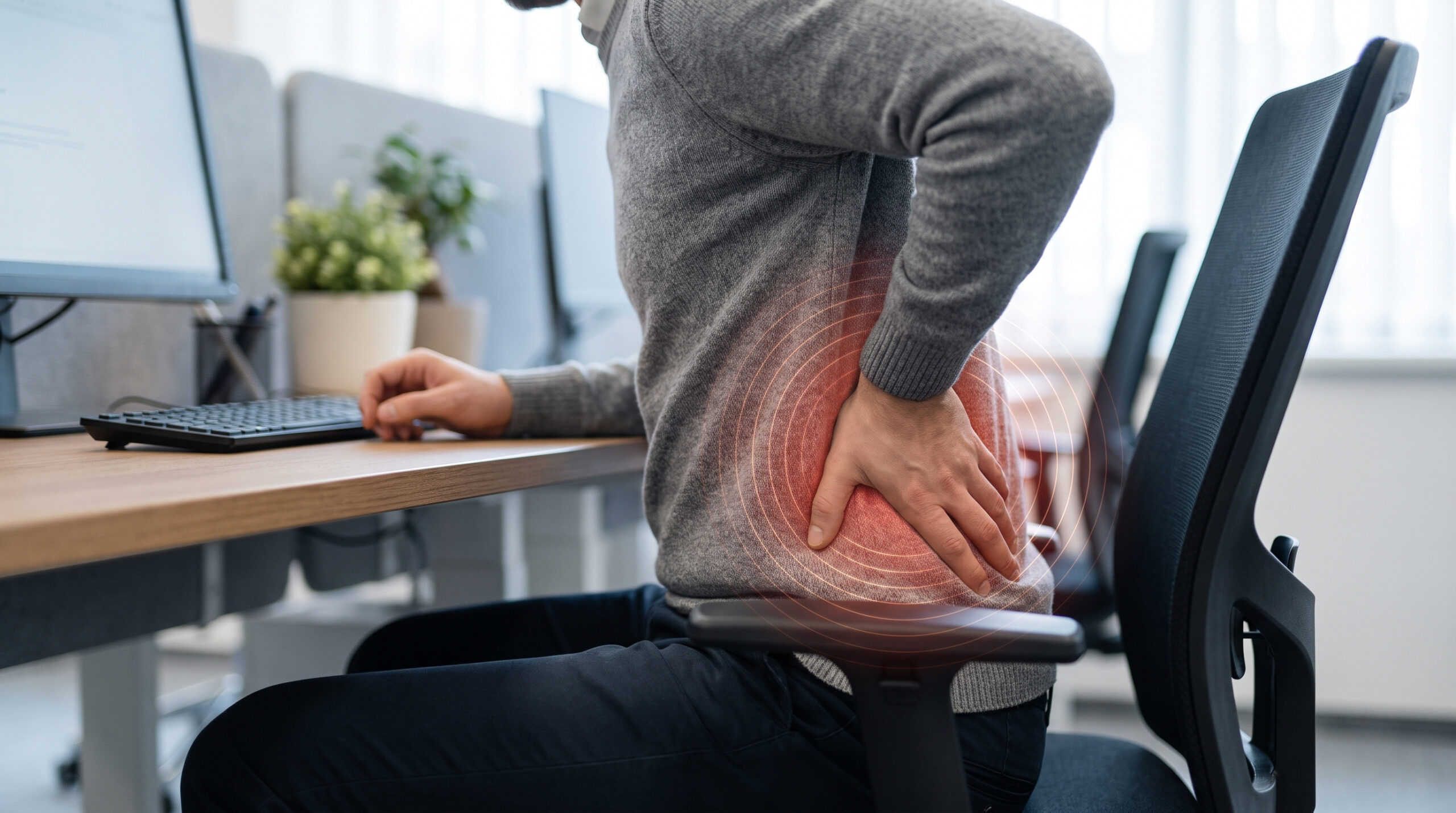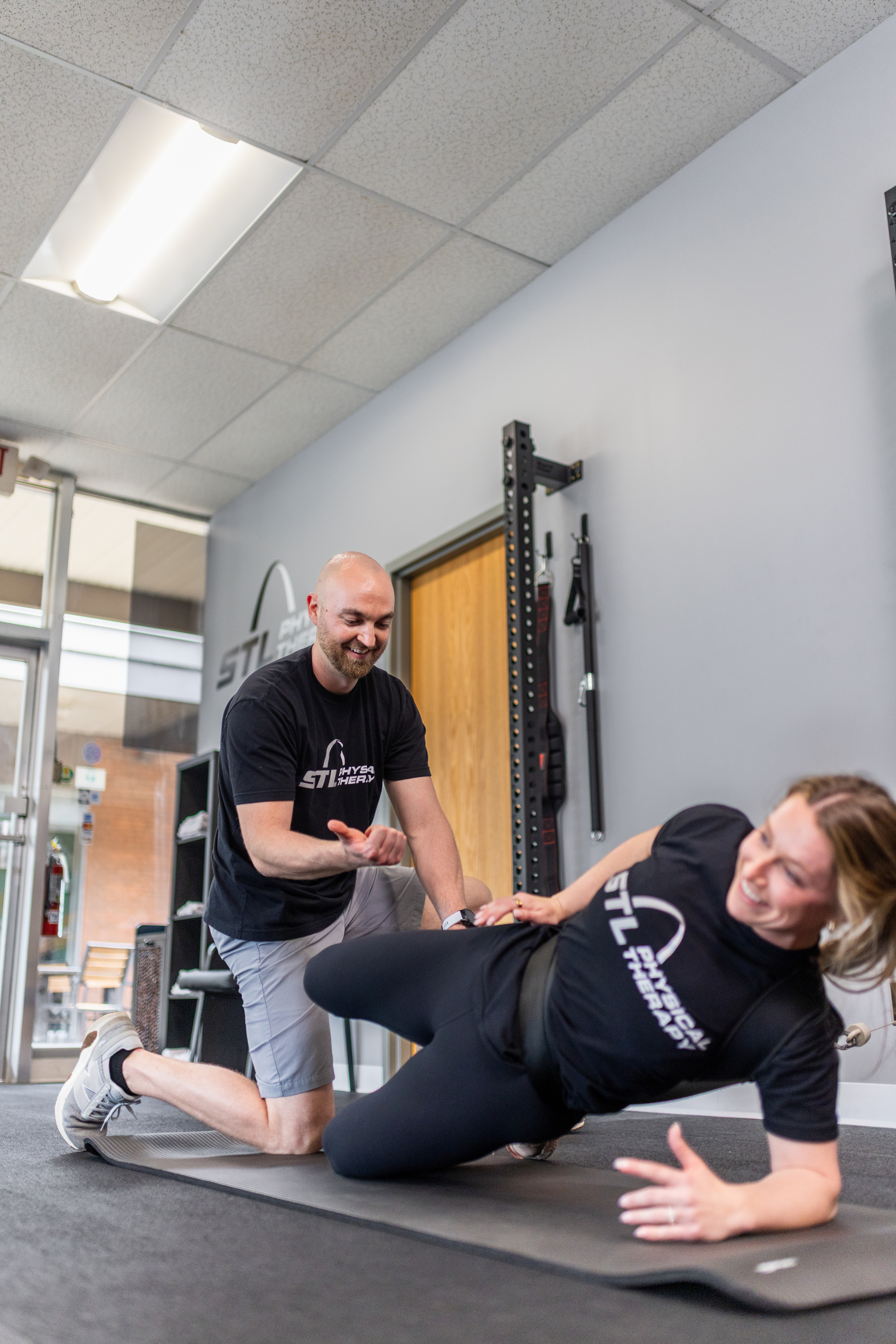
If you’ve been battling stubborn muscle pain or tightness that just won’t quit, you’ve likely heard about dry needling. And like most people, your first thought was probably, “Does this actually work?”
It’s a fair question and one we hear daily. Instead of hype, we want to be straight with you. As physical therapists in St. Louis, we’ve seen dry needling bring incredible relief but also seen it misused.
So, let’s get to the truth:
It truly depends on what’s driving your pain.
Think of dry needling as a precision tool in a larger toolbox. In the right hands, for the right job, it’s incredibly effective, offering relief, improved movement, and a return to comfort. But using it on the wrong problem or as the sole solution won’t yield results.
Dry needling isn’t a magic cure-all. No single treatment is. Its power comes from being used intelligently, strategically, and as part of a larger, tailored treatment plan.
In this guide, we’ll offer a clear, honest look at the scientific research, how dry needling works, and crucially, when it makes sense for your situation and when it might not.
Let’s dive in.
The Honest Answer, Right Up Front
Dry needling, while potent, isn’t a universal antidote for every ache. If someone suggests it’s the only answer, be skeptical.
However, when expertly applied to the right conditions, especially those rooted in muscular dysfunction, tension, or specific trigger points, it can be transformative. It has the power to:
- Melt away stubborn muscle tension.
- Significantly boost flexibility and joint freedom.
- Effectively reduce persistent pain levels.
- Help you feel noticeably more comfortable in your body.
On the flip side, if your pain stems from advanced joint degeneration (like severe arthritis), a truly compressed nerve (structural issue), or deeply ingrained inefficient movement patterns, dry needling alone is unlikely to solve the core problem. It might offer temporary relief but won’t address the cause.
This is why a thorough, hands-on evaluation with a skilled physical therapist is crucial. Our role isn’t just to chase symptoms; it’s to investigate what’s causing your pain. This understanding forms the foundation for an effective, personalized treatment plan for lasting improvement.
What the Research Actually Tells Us
When people ask, “Is dry needling effective?” They often want a simple yes or no. Science, however, is nuanced. The evidence for dry needling, while growing, is detailed.
Here’s a clear snapshot of current scientific evidence:
- Moderate evidence exists that dry needling can reduce pain and improve function for those with myofascial trigger points (muscle “knots”).
- Benefits are most pronounced in the short term, especially when combined with active therapeutic approaches like exercise and movement therapy. It’s rarely a long-term standalone solution.
- It may offer significant assistance for conditions like neck pain, certain shoulder pain, and low back pain with a muscular component.
- Results are less consistent when dry needling is used as the sole treatment, without a broader rehabilitation program.
Essentially, the evidence supports dry needling as a valuable component within a comprehensive, individualized treatment strategy, acting as a powerful catalyst within a larger healing process.
Clinically, we see this daily. Clients often report immediate relief, but the truly lasting improvements come when dry needling is combined with dedicated work on strength, flexibility, movement patterns, and body mechanics. This synergy unlocks its greatest potential.
How Dry Needling Actually Works (The Fascinating Mechanics Behind the Relief)
Understanding what happens beneath your skin is key to appreciating dry needling. It’s a targeted, physiological intervention.
Dry needling specifically targets myofascial trigger points, those stubbornly tight, sensitive, painful “knots” within a muscle. These dysfunctional areas can:
- Severely limit the range of motion.
- Generate localized or referred pain.
- Keep the muscle in constant tension, leading to stiffness and weakness.
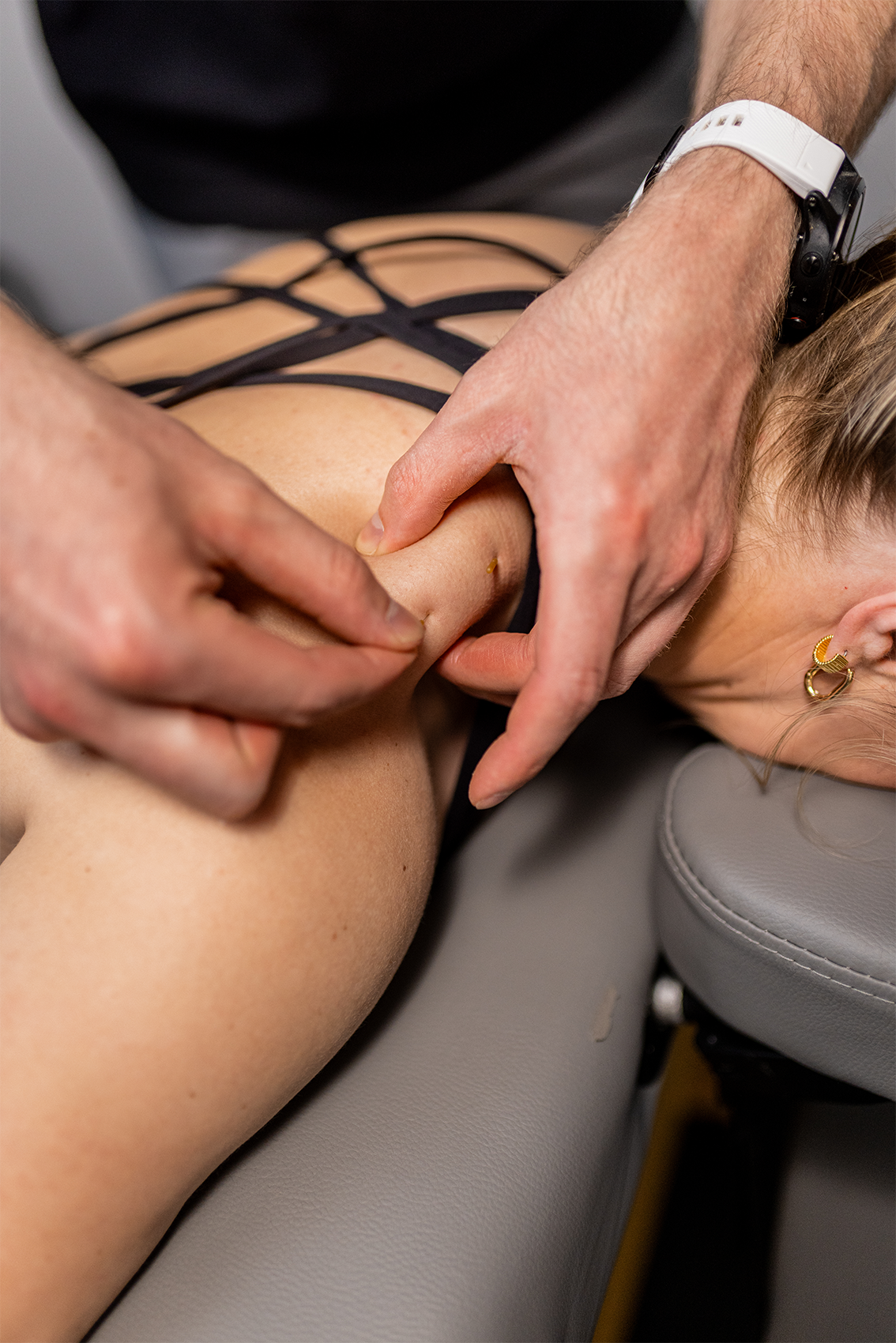
When a super-thin, sterile needle is precisely inserted into a trigger point, a cascade of physiological events unfolds:
- The Local Twitch Response: You might feel a quick, involuntary muscle contraction. This is a positive sign, indicating the muscle is reacting, releasing tension, and resetting its neurological input.
- Improved Blood Flow and Localized Healing: The tiny needle creates controlled micro-trauma, increasing circulation. Enhanced blood flow delivers oxygen and nutrients vital for tissue healing and waste removal.
- Nervous System Reset and Pain Modulation: Dry needling influences the nervous system by stimulating nerve endings. It helps to calm overactive pain signals, disrupting dysfunctional communication and changing how pain is perceived in that region.
- Immediate Reduction in Muscle Tightness: Following treatment, many patients notice the targeted muscle feels significantly less restricted, looser, and easier to move. This is often objectively measurable.
This combination explains why people often report immediate changes in mobility and comfort after a session. It’s about helping the muscle “let go” and revert to a normal, healthy state.
Dry Needling Benefits: What You Stand to Gain from This Treatment
When dry needling is appropriately integrated into a smart treatment plan, it offers impactful benefits that help you feel and move better:
- Faster, Targeted Pain Relief: Quick relief for inflamed, irritated, overworked, or spasming muscles.
- Significantly Improved Range of Motion: Especially in chronically tight areas like the neck, shoulders, or hips.
- Enhanced Muscle Activation and Function: Helps restore proper muscle function, crucial for strength and injury prevention.
- Reduced Sensitivity in Painful Trigger Points: Less irritating pain and greater overall comfort.
For athletes or active individuals, these benefits can be transformative, allowing a quicker return to activity with greater confidence.
However, these profound dry needling benefits are maximized when integrated into a comprehensive physical therapy plan that addresses all aspects of your movement, strength, and well-being.
When Dry Needling Shines Brightest (And When It Might Not Be the Best Fit)
Dry needling is most effective when your pain or limitation is primarily muscle-driven.
Common scenarios where it excels:
- Persistent, tight, and knotted muscles: Neck, upper back, gluteal muscles.
- Shoulder Pain: Linked to muscle imbalances, overuse, or strains.
- Hip or Gluteal Tightness: Affecting walking, running, or sitting.
- Muscle-Related Low Back Pain: When muscles are spasming or chronically tight.
- Sports-Related Muscle Strains and Overuse: Accelerating healing and recovery.
- Post-Injury Muscle Guarding: Helping muscles relax, preventing spasms.
Even for nerve-related conditions like sciatica, dry needling can reduce tension in surrounding muscles.
When Dry Needling Is Not the Right Tool (Understanding the Limitations)
Dry needling isn’t always optimal, especially if the root cause of your pain isn’t primarily muscular.
It may be less effective for:
- Severe Joint-Related Issues: Advanced arthritis or structural joint problems.
- Pure Nerve Compression: When a nerve is compressed by a disc herniation or stenosis without significant muscle spasm.
- Conditions Requiring Deep Core Stabilization or Complex Motor Retraining: It releases muscles but doesn’t teach better use or stabilization.
- Pain That’s Primarily Inflammatory or Systemic: Widespread inflammation or autoimmune conditions.
It’s also not a long-term standalone solution. If we only needle without addressing why the muscle got tight (e.g., posture or weakness), the pain will likely return.
This is why, at STL Physical Therapy, dry needling is always one piece of a larger, personalized treatment plan.
What to Expect During and After a Dry Needling Session at Our Clinic
If you’re new to dry needling, it’s normal to feel unsure.
During a session:
- Thorough Assessment: Your therapist identifies specific trigger points.
- Gentle Needle Insertion: A thin, sterile needle is precisely inserted into the targeted muscle.
- The “Twitch” or Deep Ache: You might feel a quick twitch or a deep ache, a positive sign of muscle reaction.
- Quick and Focused: Sessions are swift, focusing on precision and effectiveness.
Your therapist will communicate with you throughout.
After treatment:
- Immediate Relief or Improved Movement: Many feel immediate loosening or a better range of motion.
- Mild Post-Treatment Soreness: Common, like a workout, lasting 24-48 hours.
- Gradual Pain Reduction: Full benefits may unfold over a day or two.
- Minor Bruising or Fatigue: Infrequent, temporary side effects.
Crucially, your therapist will almost always integrate exercises or movement retraining post-needling to “lock in” improvements and reinforce healthy patterns.
Dry Needling Side Effects and Safety: Essential Information You Need to Know
When performed by a highly trained, licensed professional, dry needling is very safe. Our therapists undergo rigorous training in anatomy and sterile practices.
Side effects are mostly mild and temporary:
- Post-Treatment Soreness: Most common, like post-exercise muscle fatigue.
- Temporary Bruising: Small, localized bruising can occur.
- Transient Fatigue or Discomfort: Brief periods of tiredness or lightheadedness.
- Minor Bleeding: A tiny drop of blood at the insertion site is not uncommon.
Serious complications are extremely rare, thanks to expert training and sterile techniques.
Discuss any underlying health conditions, medications (especially blood thinners), or pregnancy with your therapist to ensure dry needling is safe for you. Your safety and comfort are paramount.
How We Use Dry Needling at STL Physical Therapy: A Holistic Approach
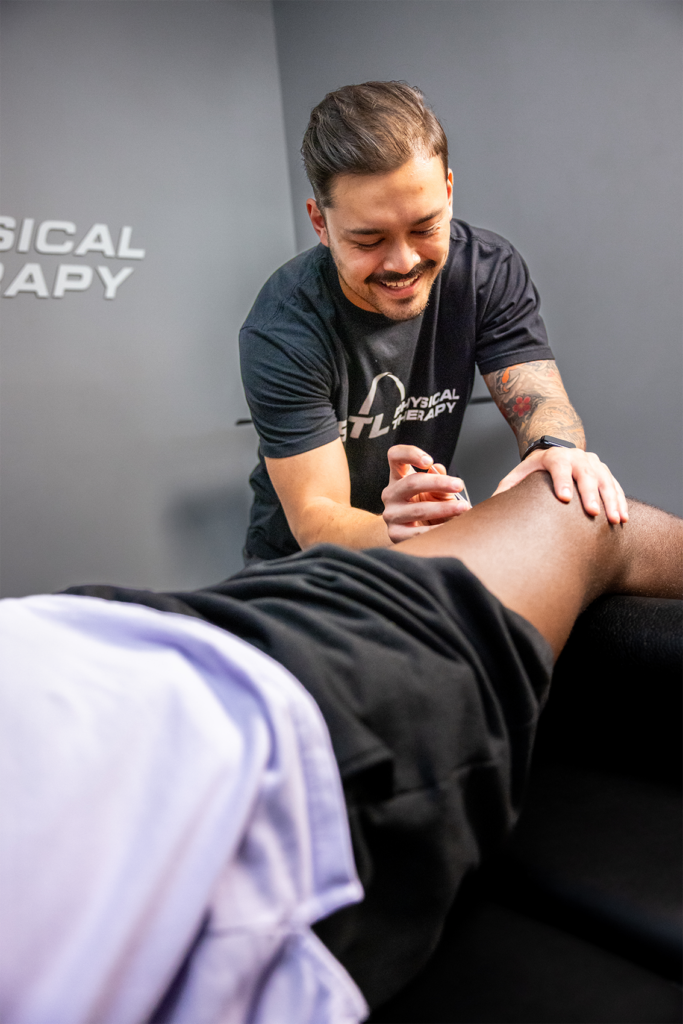
At STL Physical Therapy, dry needling is never a standalone solution. It’s one effective tool within our extensive toolbox.
When incorporated into your personalized plan, it’s part of a larger program that may include:
- Targeted Strength Training
- Mobility and Flexibility Work
- Movement Retraining and Ergonomic Guidance
- Hands-on Manual Therapy
- Education and Self-Management Strategies
Our goal is not just temporary relief but to help you move better, feel better, and stay better in the long run, empowering you to return to activities you love.
Final Thoughts: So, Does Dry Needling Really Work? The Definitive Answer.
Does dry needling work? A resounding yes, it absolutely can and often does.
However, its effectiveness is unlocked only when used for the correct reasons, in the appropriate clinical context, and integrated as a vital component of a truly complete, individualized, and comprehensive treatment plan.
When expertly used, dry needling can be a powerful method for reducing muscle-related pain, easing tension, and improving movement. It acts as a potent catalyst for recovery. But it should never be perceived as the only solution for complex pain problems.
If you are wrestling with ongoing pain, stiffness, or limitations and wonder if dry needling could help, the most effective next step is a proper, expert evaluation. A skilled physical therapist can assess your situation and help determine if dry needling is the right path to achieving your specific health goals.
Frequently Asked Questions About Dry Needling
Does dry needling hurt?
Most individuals report a quick twitch or dull ache, usually brief and tolerable.
How many dry needling sessions will I typically need?
Highly individualized, depending on your condition, duration, and response.
Is dry needling the same as acupuncture?
No. Dry needling targets muscle trigger points based on Western medical science.
How quickly does dry needling work to provide relief?
Relief can be immediate or unfold gradually over 24-48 hours.
Are there any risks associated with dry needling?
Minimal risks when performed by a trained professional. Common side effects are temporary soreness and minor bruising.
Ready to Find Out if Dry Needling is the Right Solution for You?
If you’re tired of battling persistent pain and limitations and seeking an honest, effective plan, we are here to help.
Schedule a personalized dry needling consultation today. You’ll receive a comprehensive evaluation to determine if dry needling, integrated into a broader therapeutic program, is the most effective path to lasting relief and regaining your full potential.