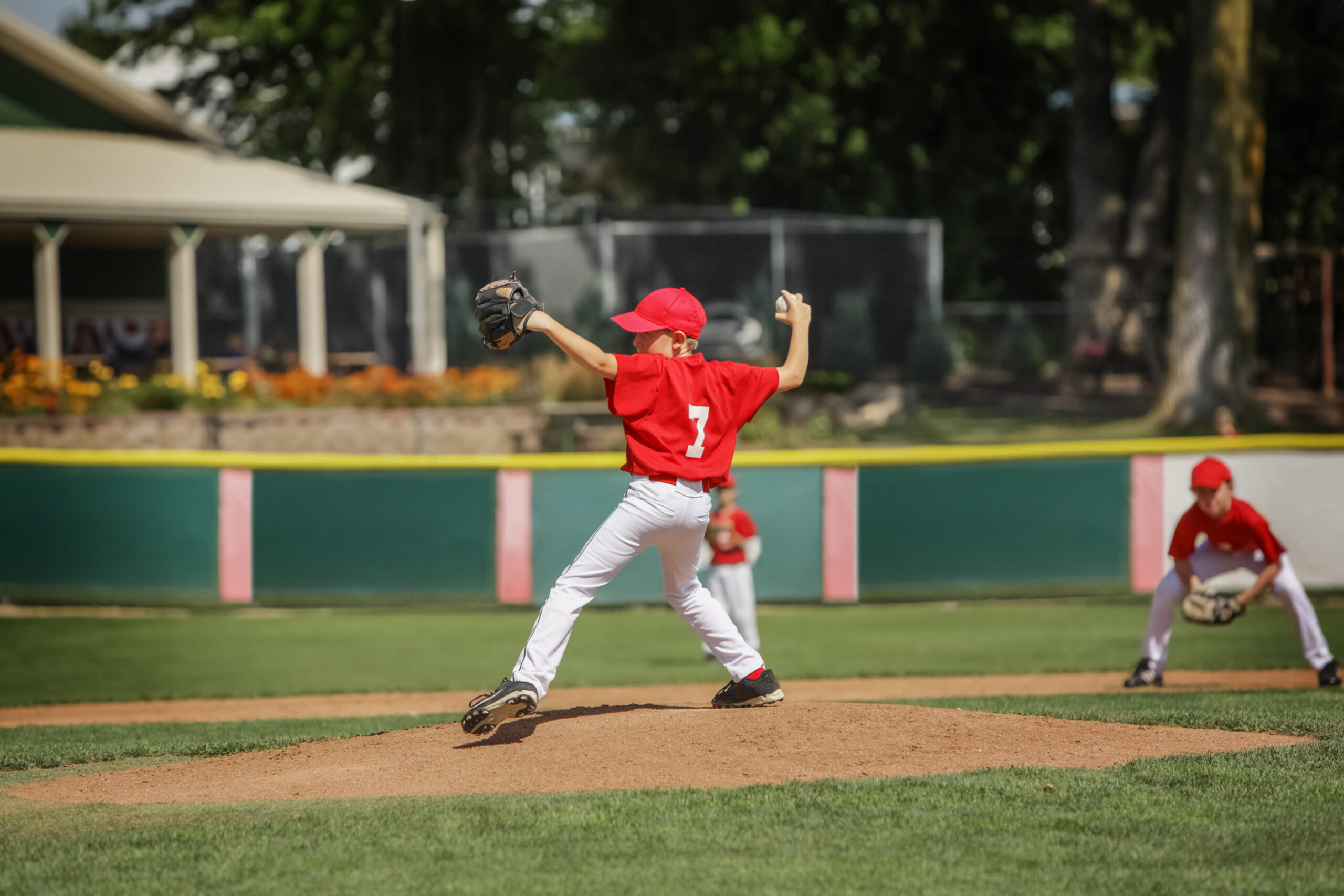
• Youth Baseball Pitching: Should You Delay Your Child’s Pitching Career?

    Youth Baseball Pitching: Should You Delay Your Child’s Pitching Career?

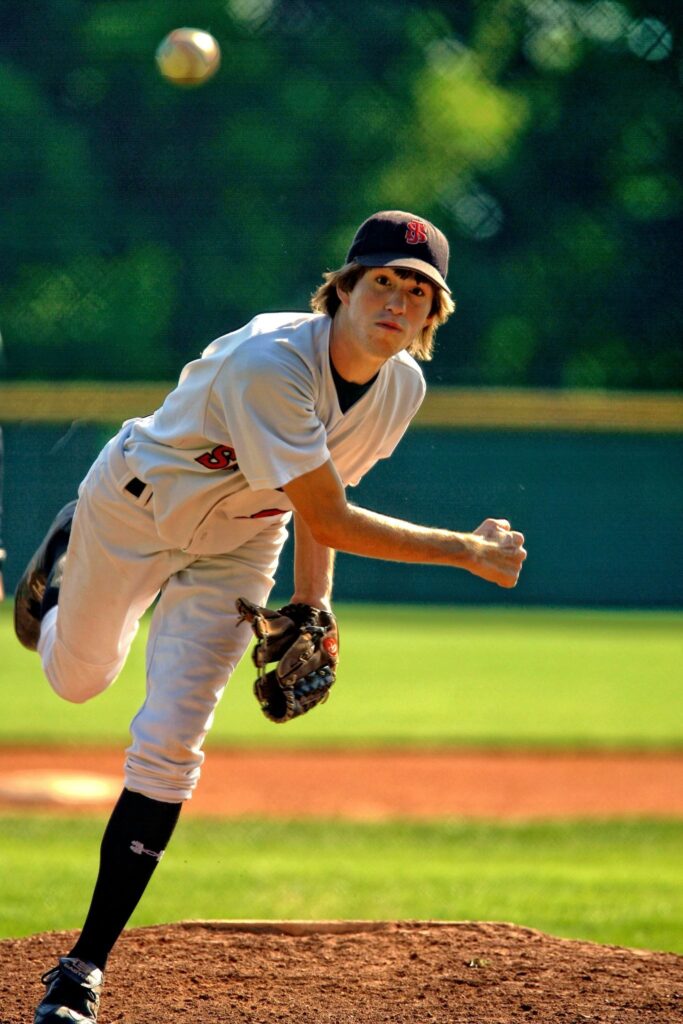
    Many parents of young baseball players have heard warnings about pitching too much, throwing year-round, or specializing too early. When it comes to youth baseball pitching, there is often confusion about what helps young athletes develop safely and what may increase injury risk.

    These concerns are valid. Overuse injuries remain one of the biggest risk factors for youth baseball injuries.

    However, there is another side of the conversation that often gets overlooked.

    Research suggests that appropriately managed youth baseball pitching may help young athletes develop important physical adaptations that support both performance and shoulder health later in their careers.

    The key is not avoiding pitching altogether. The key is helping young athletes participate in youth baseball pitching safely, progressively, and within recommended workload guidelines.

    At STL Physical Therapy, we frequently work with baseball players of all ages through our baseball physical therapy program to help them improve mobility, maintain shoulder health, and stay available throughout the season.

    Why Throwing Places Unique Demands on the Shoulder

    Baseball pitching requires some of the most extreme movements found in sports.

    During the late cocking phase of the pitching motion, the shoulder externally rotates to an extraordinary degree. Research has shown that pitchers can routinely exceed 165 degrees of external rotation during a throw. For comparison, a non-throwing adult typically demonstrates around 90 degrees of external rotation.

    To achieve these positions safely, the shoulder must balance two competing demands:

    • Enough mobility to achieve proper layback
    • Enough stability to keep the shoulder joint centered and controlled

    Over time, the body adapts to these demands.

    These adaptations are one reason why a youth baseball pitcher often looks and moves differently than a non-throwing athlete.

    How the Throwing Arm Changes Over Time

    One of the most consistent findings in baseball research is that throwing athletes develop more external rotation in their throwing arm.

    Studies have shown that baseball players often gain additional external rotation while losing a small amount of internal rotation compared to their non-throwing arm.

    Years ago, physical therapists often viewed this loss of internal rotation as a problem that needed to be corrected aggressively.

    Today, we understand that many of these changes are actually normal adaptations to throwing.

    In many cases, the total amount of shoulder rotation remains relatively unchanged (i.e. shoulder external rotation + shoulder internal rotation). The motion simply shifts toward more external rotation, which helps pitchers achieve the positions needed to throw effectively.

    For a youth baseball pitcher, these changes can be a normal part of athletic development when they occur gradually and within appropriate training loads.

    What Is Humeral Retroversion?

    One of the most important adaptations associated with youth baseball pitching is a structural change known as humeral retroversion.

    Humeral retroversion refers to the orientation of the upper arm bone, or humerus. As young athletes grow and continue throwing, the throwing arm may develop slightly different characteristics than the non-throwing arm.

    This adaptation helps explain why many baseball players naturally develop more external rotation in their throwing shoulder.

    Importantly, this does not necessarily mean the shoulder becomes looser or unstable. Instead, the orientation of the bone changes over time, allowing pitchers to achieve the arm positions needed for throwing without relying entirely on the soft tissues around the shoulder.

    Researchers have found that baseball pitchers often gain external rotation while losing a similar amount of internal rotation. When total shoulder motion is measured, however, the overall range of motion is often very similar between arms.

    This is one reason humeral retroversion is considered a normal adaptation to throwing rather than a problem that needs to be corrected.

    For a developing baseball player, these changes may help support both throwing performance and shoulder health when they occur naturally throughout the growth process.

    How Youth Baseball Pitching Influences Growth and Development

    One of the most interesting findings from baseball research is that these structural changes appear to develop during childhood and adolescence.

    As children grow, the humerus naturally changes position over time. At birth, children typically have a high degree of humeral retroversion, often around 65 degrees. As they grow, that number gradually decreases, reaching approximately 38 degrees by age 11 and eventually settling around 25 to 30 degrees in adulthood.

    Research suggests that repetitive throwing may influence this process by slowing some of the normal changes that occur during growth. The result is a greater difference between the throwing and non-throwing arm, helping young athletes develop the adaptations commonly seen in pitchers.

    Importantly, these adaptations appear to occur before skeletal maturity. Once growth plates close, the opportunity for these structural changes becomes much more limited.

    This finding has important implications for young baseball players. Because these adaptations develop while the body is still growing and are largely complete by late adolescence, waiting until high school or later to begin throwing may limit an athlete’s ability to develop some of the natural adaptations that support pitching performance and shoulder health.

    This does not mean young athletes should throw excessively. Rather, it highlights the importance of participating in youth baseball pitching within safe, age-appropriate guidelines throughout childhood and adolescence.

    Can Youth Baseball Pitching Improve Performance?

    The goal is never to encourage excessive pitching or year-round specialization.

    However, appropriate youth baseball pitching exposure may help athletes develop physical qualities that support future performance.

    Greater humeral retroversion has been associated with increased external rotation during the pitching motion.

    This increased range of motion may allow pitchers to create a longer throwing arc, giving them more time to accelerate the arm before ball release.

    More time to accelerate the arm can contribute to greater throwing velocity.

    For a developing youth baseball pitcher, these natural adaptations may support performance gains over time when combined with proper strength training, mobility work, and throwing mechanics.

    What About Injury Risk?

    This is where the conversation becomes more nuanced.

    Many parents assume that avoiding pitching altogether will reduce injury risk.

    The research suggests the answer is more complicated.

    Some studies have found that pitchers with lower amounts of humeral retroversion may experience higher rates of baseball shoulder injuries and shoulder problems over time. One reason may be that they have to rely on soft tissues such as the shoulder capsule, labrum, and rotator cuff to achieve the range of motion required for pitching.

    Athletes who develop appropriate throwing adaptations may place less stress on these structures.

    At the same time, more is not always better.

    Greater humeral retroversion has also been associated with increased stress at the elbow, particularly on the ulnar collateral ligament (UCL).

    This highlights an important reality about baseball development.

    There is rarely a single factor that determines whether an athlete stays healthy.

    Instead, injury risk is influenced by a combination of:

    • Throwing volume
    • Recovery strategies
    • Strength levels
    • Mobility
    • Pitching mechanics
    • Seasonal workload
    • Overall athletic development

    Why Workload Management Matters in Youth Baseball Pitching

    The findings on youth baseball pitching should not be interpreted as encouragement to throw year-round.

    Pitch count guidelines and recovery recommendations remain essential.

    Young athletes still need:

    • Scheduled rest periods
    • Age-appropriate pitch counts
    • Multiple-sport participation when possible
    • Proper strength and conditioning
    • Ongoing monitoring of shoulder and elbow health

    The goal is exposure, not overexposure.

    A well-designed throwing program allows athletes to develop the adaptations that support performance while minimizing unnecessary stress on the arm.

    How Physical Therapy Helps Youth Baseball Players

    Many baseball players do not seek physical therapy until pain develops.

    However, physical therapy can play an important role in injury prevention and performance long before symptoms appear.

    At STL Physical Therapy, baseball evaluations often include:

    • Shoulder range of motion testing
    • Total rotational motion assessment
    • Scapular movement evaluation
    • Strength testing
    • Mobility assessment
    • Throwing-related movement analysis
    • Balance
    • Coordination
    • Areas of pain or restriction
    • Injury history
    • Performance goals

    These assessments help identify potential limitations before they become bigger problems.

    For a youth baseball pitcher, maintaining the right balance between mobility, stability, strength, and recovery is often the difference between staying healthy and spending time on the sidelines.

    The Bottom Line
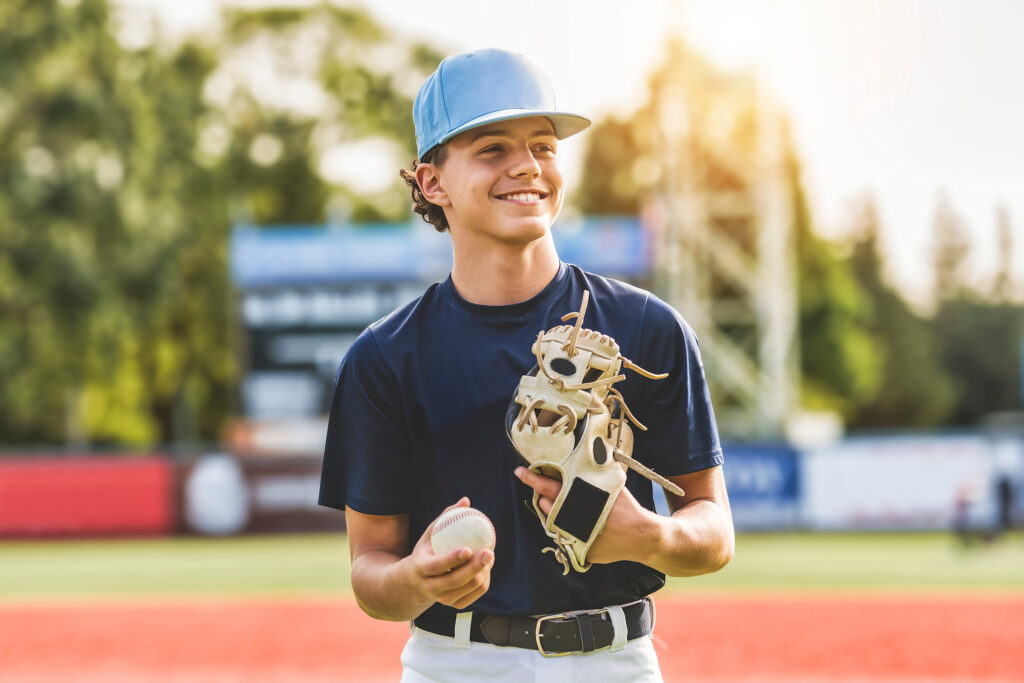
    youth baseball pitching

    Should you delay your child’s youth baseball pitching career?

    Current research suggests that completely avoiding pitching during childhood may not provide the benefits many people assume.

    When managed appropriately, youth baseball pitching can help young athletes develop important adaptations that support both throwing performance and shoulder health.

    The focus should not be on delaying pitching. The focus should be on developing pitchers safely.

    Appropriate workloads, proper recovery, strength training, mobility work, and regular monitoring can help young athletes continue to enjoy the game while reducing their risk of injury.

    Schedule a Youth Baseball Pitching Evaluation

    If your child participates in youth baseball pitching and you want to better understand their shoulder mobility, strength, recovery, or injury risk, the team at STL Physical Therapy can help.

    Our baseball-specific evaluations are designed to assess movement, identify limitations, and create individualized plans that support long-term development.

    Contact STL Physical Therapy today to schedule a youth baseball pitching evaluation and help your athlete stay healthy, throw efficiently, and continue progressing throughout their baseball career.

    Whether your child is just beginning their baseball journey or is preparing for higher levels of competition, understanding how their body is adapting to the demands of throwing can help support both performance and long-term arm health.
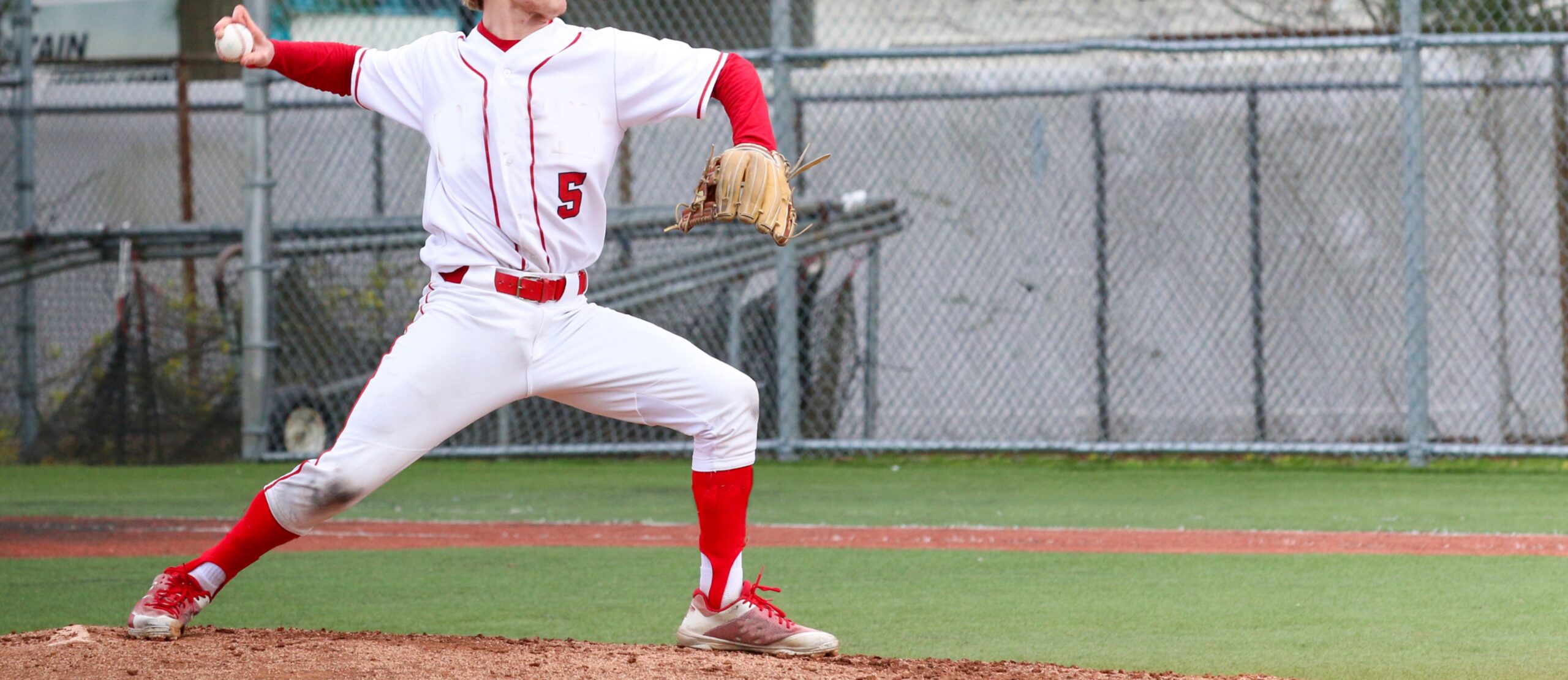
  • Baseball Pitcher Rehab: How Range of Motion Changes During Baseball Season

    Baseball Pitcher Rehab: How Range of Motion Changes During Baseball Season

    Baseball pitchers place tremendous demands on their bodies throughout the season. Every throw requires the shoulder, elbow, shoulder blade, trunk, and hips to work together at high speeds. While many athletes focus on strength and velocity, one of the most overlooked aspects of performance and durability is maintaining healthy shoulder internal rotation and overall range of motion.

    For many players, especially pitchers, baseball pitcher rehab often begins with understanding how range of motion changes from Opening Day through the final game of the season. Mobility does not stay the same throughout the year, and repetitive throwing can create changes that affect recovery, performance, and injury risk. 

    Understanding these changes and addressing them early is an important part of baseball pitcher rehab and long-term arm health.

    Why Range of Motion Matters for Baseball Players

    Range of motion refers to how far a joint can move in different directions. For pitchers, shoulder mobility is especially important because the throwing motion places the arm in extreme positions repeatedly.

    During the pitching motion, the shoulder can externally rotate to nearly 180 degrees before rapidly accelerating toward ball release. During the acceleration phase, the shoulder internally rotates at approximately 7,000 degrees per second, making it one of the fastest movements in all of sports. What is often overlooked is that the arm must then be decelerated immediately after ball release. The muscles of the shoulder and upper arm are responsible for slowing the arm down after every pitch, and this process occurs hundreds or even thousands of times throughout a season.

    These repetitive forces place significant stress on the muscles, tendons, ligaments, and joint structures of the throwing arm. Over time, the demands of both accelerating and decelerating the arm can influence shoulder internal rotation, tissue quality, recovery, and movement efficiency. This is one reason why monitoring range of motion throughout the season is so important for both performance and long-term arm health.
    Not Every Range of Motion Change Is Bad

    One of the biggest misconceptions in baseball is that every change in mobility is a problem.

    Many pitchers develop sport-specific adaptations over years of throwing. For example, it is common for the throwing shoulder to gain external rotation while losing some internal rotation compared to the non-throwing shoulder.

    These adaptations are not necessarily harmful. In fact, some may contribute to improved pitching performance.

    Problems typically arise when mobility continues to decline beyond an athlete’s normal baseline or when changes in motion are accompanied by pain, stiffness, reduced velocity, loss of command, or difficulty recovering between outings.

    The goal is not to make every pitcher move exactly the same. The goal is to understand what is normal for that athlete and identify changes that may increase injury risk or affect performance.

    How Shoulder Internal Rotation Changes During the Season

    Research has shown that pitchers can experience measurable losses in shoulder internal rotation after throwing sessions.

    In one study, pitchers demonstrated an average loss of nearly 10 degrees of shoulder internal rotation following a pitching outing. Some of these mobility changes were still present 24 hours later.

    While this may not seem like a major change, these restrictions can accumulate throughout a season.

    Small losses in mobility may influence:

    • Recovery between outings
    • Throwing mechanics
    • Shoulder loading patterns
    • Elbow stress
    • Overall performance

    Not every pitcher will experience the same changes. That is why individualized assessments are so important throughout the season.

    Ideally, pitchers should have baseline mobility measurements taken before the season begins. Comparing an athlete’s current range of motion to their own baseline is often more valuable than comparing them to another player. Some throwing adaptations may actually support performance, and removing those adaptations unnecessarily could negatively affect how an athlete performs on the mound.

    Why These Changes Happen

    Several factors may contribute to reductions in shoulder internal rotation throughout the season.

    One reason is the tremendous workload placed on the muscles responsible for decelerating the arm after ball release. The muscles in the back of the shoulder work exceptionally hard during this phase of pitching and often develop increased tension and stiffness.

    Another contributing factor may be tightness in the posterior shoulder capsule. The posterior capsule is located at the back of the shoulder joint and may gradually become less mobile as repetitive throwing stresses accumulate.

    When mobility is lost in either the surrounding soft tissues or the shoulder capsule, shoulder internal rotation may become restricted.

    These changes do not automatically indicate an injury, but they can create movement limitations that increase stress on the throwing arm over time.

    How Shoulder Mobility Can Affect Elbow Health

    The shoulder and elbow function as a connected system during the throwing motion.

    When shoulder internal rotation becomes restricted, the body often looks for movement elsewhere to complete the throw. In many cases, this compensation places additional stress on the elbow.

    Over time, altered mechanics may contribute to:

    • Medial elbow pain
    • Flexor tendon irritation
    • Increased strain on the ulnar collateral ligament
    • Overuse-related elbow symptoms

    Maintaining healthy shoulder mobility is not only important for shoulder health. It may also help reduce unnecessary stress on the elbow throughout a long season.

    The Often Overlooked Role of the Shoulder Blade

    When people think about shoulder mobility, they often focus only on the shoulder joint itself.

    However, the shoulder blade, also known as the scapula, plays a major role in throwing performance and shoulder health.

    The scapula serves as the foundation for shoulder movement. Before the arm can move efficiently, the shoulder blade must provide a stable base for force production and movement.

    For baseball players, proper scapular function helps:

    • Support healthy shoulder mechanics
    • Improve arm positioning during the throwing motion
    • Create a stable base for force production
    • Reduce unnecessary stress on the rotator cuff and labrum
    • Improve movement efficiency

    When the shoulder blade is not moving or positioning itself effectively, the shoulder often has to compensate.

    During an evaluation, therapists may assess resting scapular position, scapular upward rotation, and how closely the shoulder blade sits against the rib cage. Significant deviations from normal positioning may influence shoulder mechanics and contribute to inefficient movement patterns during throwing.

    Many cases of shoulder pain are not solely caused by the shoulder itself. They are influenced by how the shoulder blade, upper back, and surrounding muscles work together.

    This is one reason scapular assessment is an important component of baseball pitcher rehab.

    Shoulder Health Starts Below the Shoulder

    Throwing is a full-body movement.

    Although shoulder mobility receives a great deal of attention, the hips, trunk, and upper back also play critical roles in force production and energy transfer.

    The thoracic spine, or upper back, must rotate efficiently to allow pitchers to generate power while reducing stress on the throwing arm. Likewise, the hips contribute significantly to force generation during the pitching delivery.

    When mobility is limited in these areas, the shoulder and elbow may be forced to absorb additional stress.

    At STL PT, baseball physical therapy evaluations often include assessments of the hips, thoracic spine, core, and lower body because improving shoulder health frequently requires looking beyond the shoulder itself.

    Signs Your Range of Motion May Be Changing

    Baseball players often assume soreness and stiffness are simply part of the season.

    While some fatigue is expected, certain warning signs should not be ignored.

    Common signs that range of motion may be declining include:

    • Increased shoulder tightness after throwing
    • Difficulty recovering between outings
    • Loss of throwing velocity
    • Reduced command or accuracy
    • Persistent soreness
    • A feeling that the arm is heavy
    • Changes in throwing mechanics
    • Shoulder discomfort during or after throwing

    These symptoms may indicate that mobility, strength, recovery, or workload management should be evaluated.

    What Happens When Mobility Loss Is Ignored?

    Small mobility losses may not seem significant immediately after a game or bullpen session.

    However, when these changes accumulate over weeks and months, pitchers may begin experiencing:

    • Increased arm fatigue
    • Longer recovery times
    • Reduced velocity
    • Loss of command
    • Shoulder discomfort
    • Elbow soreness
    • Compensatory movement patterns
    • Increased injury risk

    Many overuse injuries do not result from a single throw. They often develop gradually when repetitive stress combines with movement restrictions that continue to worsen throughout the season.

    Addressing mobility changes early is often easier than managing a more significant injury later.

    Baseball Pitcher Rehab Strategies for Maintaining Range of Motion

    The good news is that mobility changes are often manageable when identified early.

    A comprehensive baseball pitcher rehab and performance program may include several key components.

    Mobility Restoration

    Pitchers frequently develop restrictions in the muscles and connective tissues surrounding the shoulder throughout the season.

    Targeted mobility exercises, manual therapy, and individualized stretching programs can help restore motion where it is needed while preserving beneficial throwing adaptations.

    Soft Tissue Management

    The muscles responsible for slowing the arm down often become tight and overworked.

    Research suggests that the shoulder external rotators and elbow flexors, which help decelerate the arm after ball release, may develop increased stiffness following pitching. This increased tension can contribute to temporary losses in shoulder internal rotation and elbow extension. Addressing these soft tissue changes through recovery strategies may help athletes restore mobility more effectively between outings.

    Addressing tissue quality through hands-on treatment, recovery strategies, and mobility work can help reduce excessive stiffness and improve recovery between outings.

    Scapular Strength and Control

    Strong and coordinated scapular muscles help create a more stable foundation for throwing.

    Improving scapular control can support healthy shoulder mechanics while reducing unnecessary stress on the arm.

    Rotator Cuff Strengthening

    The rotator cuff plays a critical role in controlling and decelerating the arm during pitching.

    Targeted strengthening can improve shoulder resilience and help prepare the arm for the demands of competition.

    Recovery Between Outings

    Recovery is not simply about reducing soreness.

    For pitchers, recovery helps maintain the mobility, strength, and movement quality needed for consistent performance throughout the season.

    Many baseball players use physical therapy to reduce soreness, improve recovery between outings, and address mobility restrictions before they begin affecting performance.

    Workload Monitoring

    One factor that is often overlooked is workload management.

    Pitch counts, throwing volume, recovery time between outings, showcases, travel ball participation, and year-round competition can all influence how well a pitcher recovers during the season.

    Monitoring workload alongside mobility and strength can help identify potential issues before they lead to performance declines or injuries.

    In-Season and Off-Season Goals Are Different

    Mobility goals often change throughout the year.

    During the season, the primary objective is maintaining shoulder internal rotation, supporting recovery, managing workload, and preserving performance.

    The off-season often provides a greater opportunity to address long-standing movement limitations, improve strength, and build physical capacity for the following year.

    This is also when many athletes can make meaningful improvements in shoulder mobility, scapular strength, rotational power, and overall movement quality without the physical demands of a competitive schedule.

    Understanding these differences allows athletes to focus on the right priorities at the right time.

    Do Youth Pitchers Experience These Changes Too?

    Yes. Although youth athletes may not throw with the same velocity as older pitchers, repetitive throwing can still lead to measurable mobility changes over the course of a season.

    Monitoring shoulder mobility, recovery, throwing volume, and overall workload can help identify issues before they become larger problems.

    Developing healthy movement habits at a young age may help support long-term arm health as athletes progress to higher levels of competition.

    Parents and coaches should pay close attention to persistent soreness, declining performance, or difficulty recovering between outings, as these may be early signs that an athlete would benefit from further evaluation.

    Why Monitoring Matters Throughout the Season

    One of the biggest mistakes baseball players make is waiting until pain develops before addressing mobility changes.

    By the time discomfort appears, movement restrictions and compensations may have been developing for weeks or months.

    Regular assessments throughout the season can help identify:

    • Changes in shoulder internal rotation
    • Scapular movement limitations
    • Strength deficits
    • Recovery concerns
    • Early signs of overuse

    Addressing these findings early often allows athletes to continue competing while minimizing the risk of more significant issues later in the season.

    This proactive approach is one of the most valuable aspects of baseball pitcher rehab, especially for athletes who want to stay healthy throughout a long season. 

    Athletes participating in multiple sports throughout the year may also benefit from sports-specific physical therapy to address movement limitations and reduce injury risk.

    Keep Your Arm Healthy All Season Long

    baseball pitcher rehab

    Changes in shoulder internal rotation and range of motion are common throughout the baseball season, especially for pitchers. While some adaptations are expected, significant mobility losses can affect recovery, performance, and long-term shoulder health.

    At STL Physical Therapy, we help baseball players identify movement limitations, improve shoulder mobility, optimize scapular function, restore strength, reduce soreness, recover faster between outings, and support long-term performance. Whether you are experiencing stiffness, discomfort, or simply looking to stay ahead of potential issues, our baseball pitcher rehab approach is designed to help you stay healthy and perform at your highest level throughout the season.

    Schedule your baseball pitcher rehab evaluation with STL Physical Therapy today and learn how improving shoulder internal rotation and managing in-season mobility changes can help keep you on the mound longer.

  • Baseball Shoulder Injuries and How Physical Therapy Keeps Pitchers on the Mound

    Baseball Shoulder Injuries and How Physical Therapy Keeps Pitchers on the Mound

    Baseball places unique demands on the body, especially for pitchers. Every throw requires the shoulder, elbow, and upper back to work together at extremely high speeds. Over the course of a season, those repetitive stresses can add up, leading to soreness, reduced performance, and an increased risk of injury.

    For many athletes, shoulder pain does not appear overnight. It often develops gradually as mobility, strength, and movement quality begin to change throughout the season. This is where physical therapy for baseball can play an important role. By identifying movement restrictions early and addressing the underlying causes of pain, pitchers can often stay healthier and continue performing at a high level.

    Why Pitchers Are Prone to Shoulder Injuries

    Pitching is one of the most demanding movements in sports. During a single pitch, the shoulder moves through extreme ranges of motion while generating tremendous rotational velocity.

    Research has shown that pitchers may externally rotate the shoulder to nearly 180 degrees during the throwing motion before rapidly accelerating the arm toward ball release. The shoulder then transitions from this position at remarkable speeds before the muscles of the arm must immediately decelerate the throw after every pitch. Repeating this process dozens of times during a game and hundreds or even thousands of times throughout a season places tremendous stress on the muscles, tendons, and joint structures of the throwing arm.

    Common baseball shoulder injuries include:

    • Rotator cuff strains
    • Little League Shoulder
    • Shoulder impingement
    • Labral injuries
    • Biceps tendon irritation
    • Internal impingement
    • Overuse-related shoulder pain

    Many of these conditions are considered overuse injuries that develop gradually from the repetitive demands of throwing throughout a season.

    While these injuries may have different diagnoses, they often share similar contributing factors, including mobility restrictions, muscle imbalances, poor scapular control, and excessive workload.

    How Range of Motion Changes During the Season

    One of the most important factors in pitcher shoulder health is maintaining appropriate range of motion.

    Research has shown that pitchers can experience measurable losses in mobility after throwing sessions. In one study, pitchers demonstrated an average loss of nearly 10 degrees of shoulder internal rotation following a pitching outing, and some of those changes remained present 24 hours later. When these mobility restrictions accumulate throughout the season, they may affect throwing mechanics, recovery, and overall shoulder health.

    This does not mean every pitcher should have the same mobility as their peers or even perfect symmetry between each of their own shoulders. In fact, many pitchers develop sport-specific adaptations over years of throwing. These changes are not always a problem. Some can actually support performance on the mound. The goal is not to make a pitcher move like someone who has never thrown a baseball. The goal is to understand what is normal for that athlete and identify changes that may increase injury risk or impact performance.  That is why taking an individualized approach is so important to the evaluation process in baseball players.

    Because every athlete responds differently to throwing demands, assessing range of motion throughout the season can help identify changes before they become larger issues. Small losses in mobility may not seem significant at first, but over time they can influence movement patterns and increase stress on the shoulder and elbow.

    The Role of the Scapula in Throwing Performance

    The shoulder does not work alone.

    The scapula, commonly known as the shoulder blade, serves as the foundation for shoulder movement. Before the arm can move efficiently, the shoulder blade must provide a stable base for force production and movement. Small changes in scapular positioning or movement can influence how forces are transferred throughout the throwing motion.

    For pitchers, proper scapular function helps:

    • Create a stable base for force production
    • Improve arm positioning during the throwing motion
    • Support healthy shoulder mechanics
    • Reduce unnecessary stress on the rotator cuff and labrum

    When scapular control is limited, athletes may experience shoulder discomfort, reduced velocity, fatigue, or changes in throwing mechanics.

    Many cases of shoulder pain are not solely a shoulder problem. They are often influenced by how the shoulder blade, upper back, and surrounding muscles work together. This is one reason why scapular assessment and sports-specific therapy are important components of pitcher shoulder rehab.

    Signs a Pitcher May Need Shoulder Rehab

    Some warning signs should not be ignored.

    A pitcher may benefit from pitcher-shoulder rehab if they experience:

    • Shoulder pain during or after throwing
    • Decreased throwing velocity
    • Reduced command or accuracy
    • Persistent soreness between outings
    • Difficulty recovering after games
    • A feeling of stiffness or tightness in the shoulder
    • Changes in throwing mechanics

    Addressing these issues early is often easier than waiting until they become more significant injuries.

    How Physical Therapy for Baseball Can Help

    At STL Physical Therapy, the goal is not simply to reduce pain. We look at the entire throwing athlete.

    A comprehensive evaluation may include:

    • Shoulder mobility assessment
    • Scapular positioning and movement analysis
    • Rotator cuff strength testing
    • Upper back mobility assessment
    • Hip Mobility Assessment
    • Throwing-related movement evaluation
    • Recovery and workload considerations

    This allows us to identify the factors contributing to pain, stiffness, or performance limitations.

    Once these findings are identified, a personalized treatment plan can be developed to address the athlete’s specific needs.

    Key Components of Pitcher Shoulder Rehab

    Mobility Restoration

    Pitchers often develop restrictions in the tissues surrounding the shoulder and upper arm throughout the season.

    Treatment may include hands-on techniques, mobility exercises, and targeted stretching to help restore motion where it is needed while preserving beneficial throwing adaptations.

    Scapular Strength and Control

    The muscles that control the shoulder blade play a critical role in shoulder health.

    Exercises designed to improve scapular stability and movement can help create a stronger foundation for the throwing motion while improving overall shoulder function.

    Rotator Cuff Strengthening

    The rotator cuff is heavily involved in controlling and decelerating the arm during pitching.

    Strengthening these muscles can improve shoulder resilience and help athletes tolerate the demands of throwing.

    Recovery Strategies

    Recovery matters just as much as training.

    For pitchers, recovery is not only about feeling better. It is about maintaining the mobility, tissue quality, and shoulder function needed for the next outing.

    Many baseball players use physical therapy to reduce soreness, improve recovery between outings, and address mobility restrictions before they affect performance. Treatment may include manual therapy, mobility work, strengthening exercises, and individualized recovery strategies designed around the athlete’s workload and goals.

    Return-to-Throwing Progressions

    For athletes returning from injury, simply resting until the pain goes away is not enough.

    A structured return-to-throwing program helps gradually reintroduce throwing volume and intensity while monitoring symptoms and movement quality throughout the process.

    Injury Prevention Is Just as Important as Injury Recovery

    Many baseball players think physical therapy is only necessary after an injury occurs.

    In reality, some of the biggest benefits come from identifying limitations before they become problems.

    Regular assessments can help monitor mobility, scapular function, strength, and recovery throughout the season. Small issues can often be addressed before they impact performance or lead to missed playing time.

    For pitchers, staying ahead of these changes can be one of the most effective ways to remain healthy during a long season.

    Stay on the Mound Longer

    physical therapy for baseball

    Shoulder pain does not have to be accepted as part of playing baseball.

    Whether you are dealing with discomfort, recovering from an injury, or looking for ways to improve performance and stay healthy throughout the season, physical therapy for baseball can help identify the factors affecting your throwing arm and create a plan that fits your goals.

    At STL Physical Therapy, we work with baseball players to improve mobility, restore strength, optimize movement, reduce soreness, recover faster between outings, and support long-term shoulder health so they can continue doing what they love most: competing on the field. Contact STL Physical Therapy to schedule an evaluation.

  • Proper Golf Swing Mechanics: Move Better, Swing Better, Play Longer

    Proper Golf Swing Mechanics: Move Better, Swing Better, Play Longer

    Golf looks effortless when it is done well.

    A smooth backswing, powerful rotation, solid contact, and a ball flight that travels exactly where you intended can make the game look easy. But every experienced golfer knows that a great swing is anything but simple.

    Proper golf swing mechanics are about much more than technique. They require mobility, strength, balance, coordination, and the ability to move efficiently through every phase of the swing. When one piece of the puzzle is missing, performance often suffers, and injury risk can increase.

    At STL Physical Therapy, we work with golfers of all ages and skill levels who want to improve how they move, reduce pain, and perform better on the course. Understanding proper golf swing mechanics is often one of the first steps toward playing more consistent golf while protecting your body from unnecessary stress.

    What Are Proper Golf Swing Mechanics?

    Proper golf swing mechanics refer to the sequence of movements that allow a golfer to generate power, maintain control, and consistently strike the ball effectively.

    While every golfer has unique physical characteristics and swing tendencies, efficient swings typically share several common qualities:

    • Good posture at address
    • Adequate mobility throughout the body
    • Stable balance during movement
    • Efficient weight transfer
    • Proper sequencing of the hips, trunk, shoulders, and arms
    • Consistent clubface control through impact
    • A balanced finish position

    The goal is not to create a perfect swing. The goal is to create a swing that works efficiently with your body.

    Many golfers attempt to copy the swing of a professional golfer without considering their own physical limitations. What works for one player may not work for another. Mobility restrictions, strength deficits, previous injuries, and movement habits all influence how your body moves during the golf swing.

    Why Swing Mechanics Matter

    Good swing mechanics do more than help you hit the ball farther.

    Efficient movement patterns can improve consistency, accuracy, endurance, and overall enjoyment of the game. These benefits are consistent with broader research on the benefits of physical activity and healthy movement patterns.

    Proper mechanics may help golfers:

    • Improve clubhead speed
    • Increase driving distance
    • Create more consistent ball striking
    • Improve shot accuracy
    • Reduce fatigue during rounds
    • Lower injury risk
    • Maintain performance as they age

    Poor mechanics often force the body to compensate. These compensations can place excessive stress on the lower back, shoulders, hips, elbows, wrists, and knees.

    Over time, repetitive stress can contribute to pain, stiffness, and injuries that limit your ability to play.

    The Foundation: Golf Posture

    Every golf swing starts before the club even moves.

    Proper posture creates the foundation for efficient movement throughout the swing.

    At address, golfers should generally maintain:

    • A neutral spine position
    • Slight knee flexion
    • Hips hinged appropriately
    • Relaxed shoulders
    • Balanced weight distribution through both feet

    Poor posture can affect the entire swing sequence.

    For example, excessive rounding of the upper back may limit shoulder rotation. Standing too upright may reduce power generation. Poor balance at setup often creates compensation throughout the swing.

    The setup position should allow your body to move freely and efficiently throughout the entire motion.

    Mobility and Rotation: The Engine of the Golf Swing

    Golf is a rotational sport.

    One of the most important components of proper golf swing mechanics is the ability to rotate effectively through multiple regions of the body.

    Key areas that contribute to golf rotation include:

    Thoracic Spine Mobility

    The thoracic spine, or upper back, plays a major role in rotational movement.

    When thoracic mobility is limited, golfers often compensate by placing additional stress on the lower back or shoulders.

    Adequate thoracic rotation allows for:

    • Better backswing positioning
    • Improved separation between the upper and lower body
    • Increased power generation
    • Reduced stress on surrounding joints

    Hip Mobility

    The hips are another critical component of an efficient golf swing.

    Limited hip mobility can affect weight transfer, rotational power, and balance. Restrictions in hip rotation often contribute to swing faults and may increase stress on the knees and lower back.

    Shoulder Mobility

    The shoulders must move through significant ranges of motion throughout the golf swing.

    Adequate shoulder mobility supports proper positioning during both the backswing and follow-through while helping golfers generate speed and maintain control.

    Stability Creates Power

    Many golfers focus exclusively on flexibility, but mobility alone is not enough.

    The body must also have stability. Stability refers to the ability to control movement while maintaining proper positioning.

    In golf, stability is especially important through:

    • The core
    • The hips
    • The shoulders
    • The lower body

    A stable body provides a strong foundation for transferring force efficiently from the ground through the club.

    Without stability, power leaks occur throughout the swing. The result is often inconsistent contact, reduced clubhead speed, and increased injury risk.

    Understanding the Kinematic Sequence

    One of the most important concepts in proper golf swing mechanics is sequencing.

    Elite golfers generate power through a coordinated sequence of movement often referred to as the kinematic sequence.

    Generally, the sequence follows this pattern:

    1. The lower body initiates movement.
    2. The hips rotate.
    3. The torso follows.
    4. The shoulders accelerate.
    5. The arms and club move through impact.

    This sequence allows energy to transfer efficiently throughout the body and into the golf club.

    When sequencing breaks down, golfers may lose distance, struggle with consistency, or place unnecessary stress on specific body regions.

    Many swing issues that appear technical are actually movement limitations affecting sequencing and timing.

    Common Physical Limitations That Affect Swing Mechanics

    Many golfers spend years working on swing changes without realizing their body may be preventing those changes from happening.

    Some of the most common physical limitations we see include:

    Limited Hip Rotation

    Restricted hip mobility may lead to:

    • Early extension
    • Loss of posture
    • Reduced rotational power
    • Lower back discomfort

    Limited Thoracic Spine Mobility

    Poor upper back mobility may contribute to:

    • Reduced backswing rotation
    • Overuse of the lower back
    • Loss of swing efficiency

    Poor Core Strength and Control

    Core weakness can affect:

    • Stability during rotation
    • Balance
    • Force transfer
    • Swing consistency

    Shoulder Restrictions

    Limited shoulder mobility may impact:

    • Backswing positioning
    • Follow-through mechanics
    • Overall swing speed

    Addressing these physical limitations often creates opportunities for meaningful swing improvement.

    How Poor Swing Mechanics Can Lead to Injury

    Golf may seem low impact, but the swing places substantial forces on the body.

    A single round may involve dozens of full swings, practice swings, chips, and putts. Over time, repetitive stress can accumulate.

    Common golf-related injuries include:

    • Lower back pain
    • Shoulder pain
    • Elbow pain
    • Wrist injuries
    • Hip discomfort
    • Knee pain

    In many cases, the problem is not simply overuse. It is the combination of repetitive movement and inefficient mechanics.

    When certain joints cannot move properly, other areas often absorb more stress than they were designed to handle.

    Improving movement quality can help reduce those demands and support healthier, more efficient golf performance.

    Why Movement Assessments Matter for Golfers

    Every golfer is different.

    Two golfers may display the same swing fault while having completely different underlying causes. That is why movement assessments are so valuable.

    At STL Physical Therapy, we evaluate how your body moves before making assumptions about your swing.

    We assess factors such as:

    • Mobility
    • Strength
    • Stability
    • Balance
    • Rotational control
    • Movement quality
    • Previous injuries
    • Golf-specific demands

    This allows us to identify physical limitations that may be affecting both performance and comfort on the course.

    Instead of chasing symptoms, we focus on the underlying factors that may be limiting your game.

    Building a Better Swing Through Better Movement

    Many golfers immediately think about lessons when they want to improve their swing.

    Instruction can be valuable, but physical limitations often need to be addressed before meaningful changes can occur.

    When mobility, stability, strength, and movement quality improve through a comprehensive Physical Therapy for Golfers program, golfers often find it easier to:

    • Rotate effectively
    • Generate power
    • Maintain posture
    • Improve consistency
    • Reduce discomfort during play

    The goal is not simply to swing differently. The goal is to create a body that can support the swing you want to achieve.

    Play Better Golf for Years to Come

    play better golf

    Proper golf swing mechanics involve far more than club positions and swing tips.

    Your mobility, stability, strength, balance, and movement patterns all play an important role in how you perform on the course.

    When your body moves efficiently, it becomes easier to generate power, improve consistency, and reduce unnecessary stress on your joints.

    If pain, stiffness, mobility limitations, or movement restrictions are affecting your golf game, STL Physical Therapy can help identify what may be holding you back. Our golf-focused approach helps golfers move better, perform better, and continue enjoying the game for years to come.

    Contact STL Physical Therapy today to schedule an evaluation and learn how improving the way your body moves can help improve the way you play.

  • Tennis Wrist Injury Treatment

    Tennis Wrist Injury Treatment

    Tennis places repetitive stress on the wrist during nearly every part of the game. From topspin forehands and serves to volleys and quick changes in grip position, the wrist absorbs force repeatedly throughout training and competition.

    Over time, that stress can lead to irritation, inflammation, weakness, or even more significant sports injuries. For many tennis players, wrist pain starts as a small annoyance during play but gradually becomes something that affects grip strength, shot control, power production, and confidence on the court.

    The good news is that many tennis wrist injuries respond very well to physical therapy when addressed early.

    At STL Physical Therapy, we help tennis players in St. Louis identify the root cause of wrist pain, restore proper movement, and safely return to the court with a plan designed around performance and long term durability.

    Why Wrist Injuries Are Common in Tennis

    The wrist plays a major role in racket positioning, force transfer, and ball control. During a tennis match, the wrist constantly adjusts to different swing angles, speeds, and impact forces.

    Several factors can increase stress on the wrist, including:

    • Repetitive hitting volume
    • Poor swing mechanics
    • Sudden increases in training intensity
    • Weakness in the forearm or shoulder
    • Limited mobility through the upper body
    • Grip technique issues
    • Muscle fatigue
    • Improper racket size or string tension

    Because the wrist works together with the elbow, shoulder, and trunk during tennis movements, pain is not always caused by the wrist alone. Many players develop wrist irritation because of compensation patterns elsewhere in the body.

    That is why effective tennis wrist injury treatment should focus on the entire movement system, not just the painful area.

    Common Tennis Wrist Injuries

    Several types of wrist injuries commonly affect tennis players.

    Wrist Tendonitis

    Tendon irritation is one of the most common causes of wrist pain in tennis players. Repetitive swings can overload the tendons responsible for wrist flexion, extension, and stabilization.

    Symptoms may include:

    • Pain during forehands or serves
    • Stiffness after playing
    • Tenderness around the wrist
    • Weakness with gripping
    • Discomfort during everyday tasks

    TFCC Injuries

    The triangular fibrocartilage complex, often called the TFCC, helps stabilize the wrist during rotational movements and impact.

    Tennis players may develop TFCC irritation or tears from repetitive loading or sudden twisting motions.

    Common symptoms include:

    • Pain on the pinky side of the wrist
    • Clicking sensations
    • Pain during rotation
    • Weakness with gripping
    • Instability during play

    Wrist Sprains

    Falls or sudden awkward movements can overstretch the ligaments in the wrist. Some tennis players also experience low grade sprains from repetitive stress over time.

    Symptoms often include swelling, pain, stiffness, and reduced mobility.

    Extensor or Flexor Tendon Strain

    Overuse of the forearm muscles can create irritation where those muscles attach near the wrist. This often develops gradually in players with high training volume or inefficient swing mechanics.

    Nerve Irritation

    In some cases, wrist pain may involve irritation of nearby nerves. Players may experience numbness, tingling, weakness, or burning sensations into the hand or fingers.

    Signs You Should Not Ignore Wrist Pain

    Many tennis players try to play through wrist pain for weeks or even months before seeking treatment.

    Unfortunately, continuing to overload irritated tissues often leads to worsening symptoms and longer recovery times.

    You should pay attention to symptoms such as:

    • Pain that continues after playing
    • Reduced grip strength
    • Difficulty serving
    • Clicking or instability
    • Swelling
    • Pain during everyday activities
    • Loss of racket control
    • Tingling or numbness
    • Pain that changes your swing mechanics

    Early treatment often allows players to recover faster and avoid more significant irritation.

    How Physical Therapy Helps Tennis Wrist Injuries

    Physical therapy focuses on reducing pain while improving the movement patterns and strength deficits contributing to the injury.

    At STL Physical Therapy, tennis wrist injury treatment is designed around both recovery and performance.

    Movement Assessment

    Your physical therapist starts by evaluating how your body moves during tennis related activities.

    This may include assessing:

    • Wrist mobility
    • Forearm strength
    • Grip strength
    • Shoulder mobility
    • Rotational control
    • Scapular stability
    • Posture
    • Tennis specific movement patterns

    This full body approach helps identify why stress is accumulating at the wrist.

    Pain Reduction and Tissue Recovery

    Treatment may include hands-on therapy techniques, dry needling and targeted exercises to calm irritated tissues and restore normal movement.

    Depending on the condition, treatment may focus on:

    • Reducing inflammation
    • Improving mobility
    • Decreasing muscular tension
    • Improving circulation
    • Restoring joint mechanics

    The goal is not simply temporary pain relief. The focus is helping the wrist tolerate tennis demands again.

    Strength and Stability Training

    The wrist depends heavily on support from the forearm, shoulder, and trunk.

    Treatment often includes strengthening exercises for:

    • Forearm muscles
    • Grip strength
    • Rotator cuff muscles
    • Scapular stabilizers
    • Core control
    • Upper body coordination

    Improving overall stability helps reduce excessive stress at the wrist during strokes and serves.

    Technique and Movement Correction

    In many cases, small movement inefficiencies contribute to repeated wrist irritation.

    Your physical therapist may work with your swing coach to help identify issues involving:

    • Swing mechanics
    • Grip positioning
    • Serve mechanics
    • Force transfer through the kinetic chain
    • Rotational movement limitations

    Improving movement efficiency often reduces unnecessary stress on the wrist while improving performance.

    Return to Tennis Progression

    Returning to the court too quickly can cause symptoms to flare up again.

    A progressive return to tennis program helps players safely rebuild tolerance for:

    • Groundstrokes
    • Serves
    • Volleys
    • Match intensity
    • Practice volume

    The goal is helping you return confidently while minimizing the risk of reinjury.

    How Long Does Recovery Take?

    Recovery timelines vary depending on the severity of the injury, how long symptoms have been present, and the overall health of the tissues involved.

    Some mild irritation improves within a few weeks, while more significant injuries may require a longer progression.

    Factors that influence recovery include:

    • Training volume
    • Movement mechanics
    • Strength deficits
    • Consistency with treatment
    • Recovery habits
    • Overall conditioning

    Addressing the issue early typically leads to better outcomes.

    Can You Keep Playing With Wrist Pain?

    Some players can continue activity while recovering, but this depends on the severity of symptoms and the type of injury involved.

    Ignoring pain and continuing full intensity training often increases tissue irritation and delays healing.

    A physical therapist can help determine:

    • Whether it is safe to continue playing
    • What movements should be modified
    • How much volume your wrist can currently tolerate
    • What recovery strategies may help reduce symptoms

    The goal is finding the right balance between protecting the wrist and maintaining activity when appropriate.

    Tennis Wrist Injury Prevention Tips

    While not every injury can be avoided, several strategies may help reduce wrist stress during tennis.

    Warm Up Properly

    Preparing the muscles and joints before playing can improve movement quality and reduce excessive strain.

    Gradually Increase Training Volume

    Sudden spikes in playing time or intensity commonly contribute to overuse injuries.

    Improve Strength and Mobility

    Strong forearms, shoulders, and trunk muscles help distribute force more efficiently during tennis movements.

    Address Swing Mechanics

    Poor mechanics may place unnecessary stress on the wrist repeatedly throughout play.

    Avoid Playing Through Significant Pain

    Persistent pain is often a sign that the body is not tolerating current demands well.

    When to Seek Professional Help

    Tennis wrist pain

    Seeking treatment early can help prevent symptoms from progressing and improve your ability to return to the court safely.

    At STL Physical Therapy, we help tennis players throughout St. Louis recover from wrist pain with individualized treatment focused on movement quality, performance, and long term durability.

    Whether your symptoms started recently or have been lingering for months, a comprehensive evaluation can help identify the root cause and create a clear recovery plan.

    Ready to Get Back on the Court?

    Wrist pain should not control how you play tennis.

    If you are dealing with ongoing discomfort, weakness, or limited performance during matches or practice, STL Physical Therapy can help you move better and return to the court with confidence.

    Contact STL Physical Therapy today to schedule an evaluation and start your tennis wrist injury treatment plan.

  • Tennis Shoulder Pain: Why It Happens and How Physical Therapy Can Help

    Tennis Shoulder Pain: Why It Happens and How Physical Therapy Can Help

    If you play tennis regularly, shoulder pain can become hard to ignore.

    Maybe it starts as soreness after a long match. Maybe your serve feels weaker than usual. Or maybe reaching overhead suddenly creates a sharp pain that was never there before. For many tennis players, shoulder discomfort develops gradually until it begins affecting performance, consistency, and everyday movement.

    Tennis places repetitive stress on the shoulder joint. Every serve, forehand, overhead, and volley requires a combination of strength, mobility, stability, and coordination. When one part of the body is not moving well, the shoulder often absorbs extra stress.

    At STL Physical Therapy, we work with tennis players dealing with shoulder pain, elbow pain, movement restrictions, and overuse injuries. Our goal is not simply to reduce pain temporarily. We focus on identifying why symptoms developed and helping players move better so they can continue competing and training with confidence.

    Why Tennis Players Commonly Experience Shoulder Pain

    The shoulder is one of the most mobile joints in the body. That mobility is necessary for tennis, especially during serving motions and overhead shots.

    However, mobility without proper stability can create problems over time.

    According to the National Institute of Arthritis and Musculoskeletal and Skin Diseases, repetitive movement patterns and overuse injuries in athletes are common contributors to sports-related pain.

    Tennis shoulder pain often develops because of repetitive stress combined with:

    • Poor shoulder mechanics
    • Limited thoracic spine mobility
    • Rotator cuff weakness
    • Muscle imbalances
    • Overtraining
    • Improper recovery
    • Reduced hip or core mobility
    • Changes in serving technique
    • Sudden increases in playing volume

    Many players assume the pain is isolated to the shoulder itself. In reality, the issue is often connected to how the entire body moves during tennis activity.

    The shoulder does not function independently during a serve or stroke. It relies heavily on the hips, trunk, scapula, and core to transfer force efficiently.

    When those areas are not functioning properly, the shoulder may compensate and become overloaded.

    Common Types of Tennis Shoulder Pain

    Tennis players can experience several different shoulder conditions depending on movement patterns, workload, age, and overall physical condition.

    Some of the most common issues include:

    Rotator Cuff Irritation

    The rotator cuff muscles help stabilize and control the shoulder during movement. Repetitive overhead activity can irritate these tissues and lead to pain, weakness, or limited motion.

    Players may notice:

    • Pain when serving
    • Weakness overhead
    • Difficulty lifting the arm
    • Pain after matches or practice

    Shoulder Impingement

    Shoulder impingement occurs when structures inside the shoulder become compressed during movement.

    This often causes:

    • Pain reaching overhead
    • Sharp discomfort during serves
    • Pain when sleeping on the shoulder
    • Limited range of motion

    Labral Irritation

    The labrum helps stabilize the shoulder joint. Repetitive overhead movements may place stress on this structure, especially in competitive players with high serving volume.

    Symptoms can include:

    • Deep shoulder pain
    • Clicking or catching sensations
    • Instability
    • Reduced power during serves

    Scapular Dysfunction

    The shoulder blade plays a major role in shoulder mechanics. If it is not moving correctly, stress increases throughout the shoulder joint.

    This can contribute to:

    • Muscle fatigue
    • Tightness around the shoulder blade
    • Reduced serving power
    • Ongoing soreness after activity

    Can Tennis Elbow Cause Shoulder Pain?

    One question many players ask is whether elbow problems and shoulder pain are connected. The short answer is yes, but the relationship usually runs in a specific direction that surprises most people.

    When someone develops tennis elbow and accompanying shoulder pain, it is common to assume the elbow is the starting point. However, in most cases, it is not. A weak or unstable shoulder is often what sets the chain in motion. When the shoulder cannot generate or control force efficiently during strokes, the muscles around the elbow are forced to pick up the slack. Over time, that increased workload irritates the tendons and leads to the pain players recognize as tennis elbow.

    In other words, the elbow is often where you feel the problem, but the shoulder is frequently where the problem begins.

    This is why players searching for answers about tennis elbow and shoulder pain are often surprised to learn that treating the elbow alone does not resolve the root issue. If the shoulder weakness or instability driving the demand is not addressed, symptoms tend to return.

    At STL Physical Therapy, we evaluate the entire movement system rather than focusing only on the painful area. Understanding how the shoulder, elbow, and arm work together is what allows us to build a plan that addresses what is actually driving your symptoms.

    How Tennis Elbow and Shoulder Pain Work Together

    The shoulder, elbow, wrist, trunk, and hips all contribute to force production in tennis.

    When one area is restricted, another area often compensates.

    For example:

    • Poor shoulder rotation may increase stress on the elbow
    • Weak scapular control may affect forehand mechanics
    • Limited thoracic mobility can overload both the shoulder and elbow
    • Grip changes from elbow pain can alter shoulder positioning

    This relationship between tennis elbow and shoulder pain is extremely common in recreational and competitive athletes.

    Treating only the symptoms without addressing movement quality often leads to recurring irritation.

    Signs You Should Not Ignore

    Some soreness after activity can be normal, especially after intense play. However, ongoing symptoms should not be ignored.

    You should consider an evaluation if you experience:

    • Pain during serves or overhead shots
    • Shoulder weakness
    • Loss of velocity or power
    • Pain that lingers after playing
    • Difficulty sleeping because of shoulder pain
    • Clicking or instability
    • Reduced range of motion
    • Elbow pain combined with shoulder tightness
    • Symptoms that continue worsening over time

    Early treatment is often much easier than waiting until symptoms become severe.

    How Physical Therapy Helps Tennis Shoulder Pain

    tennis shoulder pain

    Physical therapy focuses on improving how the body moves, not simply masking symptoms.

    At STL Physical Therapy, treatment begins with understanding the demands tennis places on the body and identifying the movement limitations contributing to pain.

    Full Movement Assessment

    Your evaluation may include:

    • Shoulder mobility testing
    • Rotator cuff strength assessment
    • Scapular control evaluation
    • Thoracic spine mobility assessment
    • Core stability testing
    • Hip mobility analysis
    • Tennis-specific movement patterns
    • Serving and stroke mechanics discussion

    We want to understand how your body moves as a complete system.

    Mobility and Flexibility Work

    Tennis players often develop restrictions in:

    • The thoracic spine
    • Shoulder internal rotation
    • The chest muscles
    • The hips

    Improving mobility can reduce unnecessary stress on the shoulder and elbow.

    Strength and Stability Training

    Strengthening programs may focus on:

    • Rotator cuff strength
    • Scapular stability
    • Core control
    • Hip strength
    • Postural support muscles

    The goal is to improve efficiency and load distribution throughout the body.

    Manual Therapy

    Hands-on treatment may help improve:

    • Joint mobility
    • Soft tissue restrictions
    • Muscle tension
    • Overall movement quality

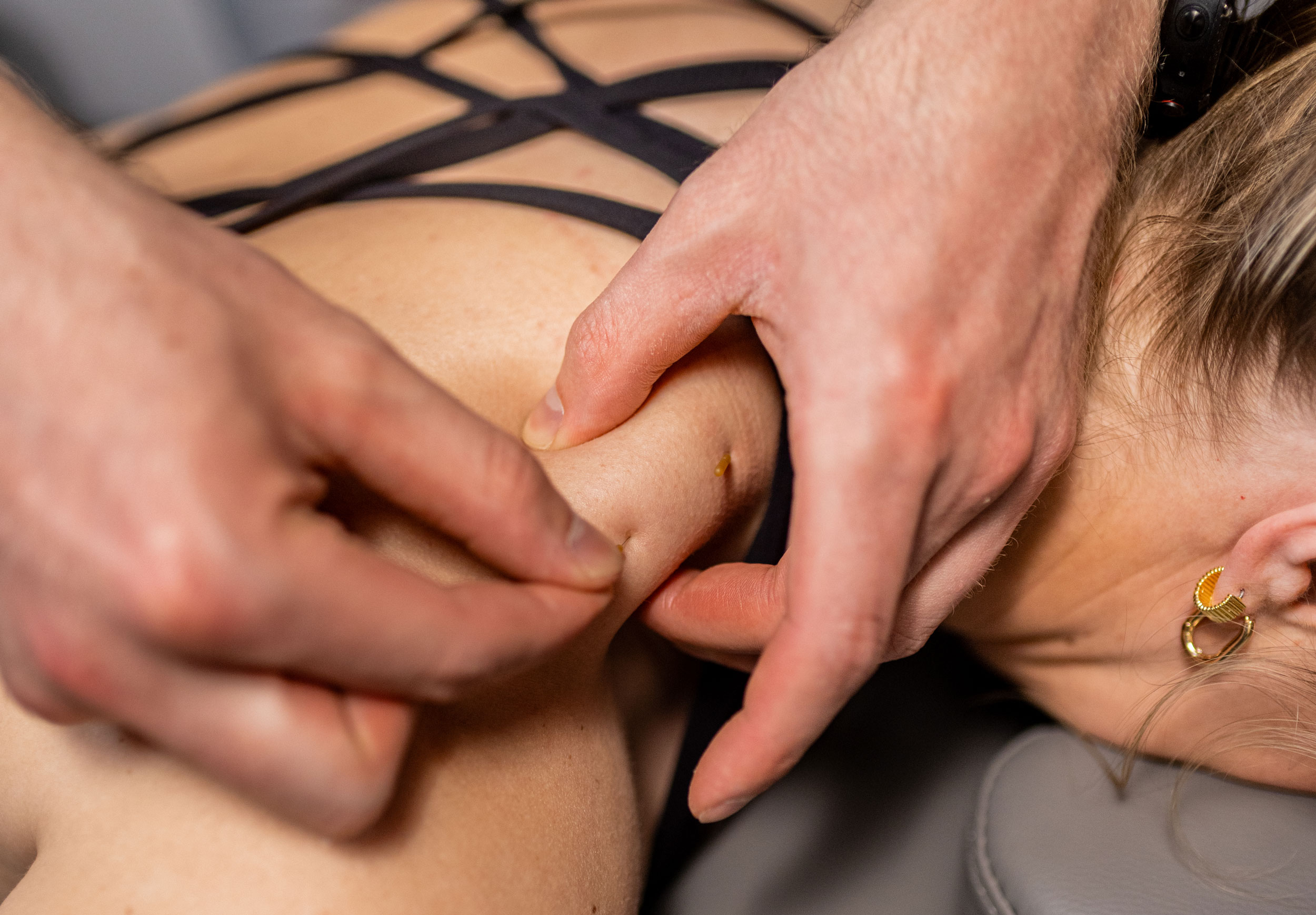
    In some cases, dry needling treatment may also be incorporated to help address muscle tension and movement restrictions.

    Return-to-Play Progression

    As symptoms improve, treatment progresses toward:

    • Sport-specific drills
    • Power development
    • Rotational control
    • Overhead tolerance
    • Gradual return to full tennis activity

    Why Shoulder Pain Often Returns

    Many tennis players rest until symptoms improve, then immediately return to the same movement patterns that caused the issue.

    Without addressing:

    • Strength deficits
    • Mobility limitations
    • Recovery habits
    • Movement mechanics

    The pain frequently returns. This is one reason why temporary relief methods alone often fail to solve the underlying problem.

    Long-term improvement usually requires improving how the body handles the demands of tennis.

    Tips to Reduce Tennis Shoulder Pain

    While every player is different, several strategies may help reduce stress on the shoulder:

    Warm Up Properly

    A quality warm-up should prepare:

    • The shoulders
    • Thoracic spine
    • Hips
    • Core

    Jumping directly into serving at full intensity can increase stress on the shoulder joint.

    Monitor Playing Volume

    Sudden spikes in playing time or serving volume often contribute to overuse injuries.

    Gradual progression matters.

    Improve Strength and Mobility

    Tennis requires more than just skill. Physical preparation plays a major role in performance and injury prevention.

    Prioritize Recovery

    Recovery includes:

    • Sleep
    • Hydration
    • Mobility work
    • Rest days
    • Strength maintenance

    Ignoring recovery can increase irritation over time.

    Address Symptoms Early

    Minor discomfort is easier to manage before it becomes a more significant injury.

    When to Seek Professional Help

    If shoulder pain is limiting your ability to play tennis, train consistently, or perform daily activities, it may be time for a professional evaluation.

    The longer compensation patterns continue, the more difficult they can become to correct.

    Physical therapy can help identify:

    • Why symptoms developed
    • What movement limitations exist
    • How the shoulder and elbow are connected
    • What treatment strategies may help you return to tennis safely

    Physical Therapy for Tennis Players in St. Louis

    At STL Physical Therapy, we work with active individuals and athletes who want to continue doing what they enjoy without ongoing pain limiting performance.

    Whether you are dealing with tennis shoulder pain, elbow irritation, stiffness, or movement restrictions, treatment focuses on improving movement quality, restoring strength, and helping you return to the court with confidence.

    If your shoulder pain is affecting your tennis game or daily activities, our team can help you understand what may be contributing to the issue and create a plan designed around your goals.

    Do not let shoulder or elbow pain keep you from playing the sport you enjoy. Schedule an evaluation with STL Physical Therapy today.

  • Dry Needling vs. Acupuncture

    Dry Needling vs. Acupuncture

    If you have been exploring options for muscle pain, tightness, or trouble moving, you have likely come across both dry needling and acupuncture.

    At first glance, they might seem very similar. Both treatments use thin needles. Both aim to help with pain. And both are growing in popularity within modern healthcare.

    But here is the simple truth. Dry needling and acupuncture are not the same thing. They come from different histories, follow different ideas, and are used for different reasons. Understanding these differences can help you feel more confident about the care you choose.

    At STL Physical Therapy, we believe in giving you clear, honest information so you can decide what is best for your body.

    The Short Answer: What Is the Difference?

    When people ask about dry needling vs acupuncture, they usually want to know one simple thing. Are these treatments basically the same?

    They are not.

    Acupuncture is rooted in traditional Chinese medicine and focuses on balancing your body’s energy flow.

    Dry needling is based on modern anatomy and physical therapy principles, directly addressing muscle and tissue problems.

    Both can be effective. They just approach the body in very different ways.

    Origins and Philosophy

    Acupuncture: A Traditional, Whole-Body Approach

    Acupuncture has been practiced for thousands of years as a core part of traditional Chinese medicine. It is built on the idea that your body has an energy system, often called “qi,” that moves through specific pathways known as meridians.

    When this energy becomes blocked or out of balance, you might experience symptoms like pain or illness. Acupuncture aims to restore that balance by placing needles at precise points along these pathways.

    This approach often looks at your body as a complete system. It can be used for pain, stress, digestive issues, sleep problems, and many other concerns.

    Dry Needling: A Modern, Muscular Approach

    Dry needling is a much newer technique, developed from Western medicine and physical therapy. It is firmly based on understanding anatomy, how your body moves, and how muscles and nerves work.

    Instead of focusing on energy flow, dry needling directly targets trigger points. These are tight, sensitive spots within muscles that can cause pain or limit your movement.

    The goal is straightforward. Improve how the muscle works, reduce pain, and bring back normal movement.

    Who Performs Each Treatment?

    One of the most important distinctions between acupuncture and dry needling is who is trained to perform each technique.

    Acupuncture Providers

    Acupuncture is typically performed by licensed acupuncturists who have completed specialized education in traditional Chinese medicine. In some situations, medical doctors or chiropractors may also offer acupuncture if they have earned the necessary certifications.

    Dry Needling Providers

    Dry needling is performed by licensed healthcare professionals such as physical therapists who have completed advanced training in the technique.

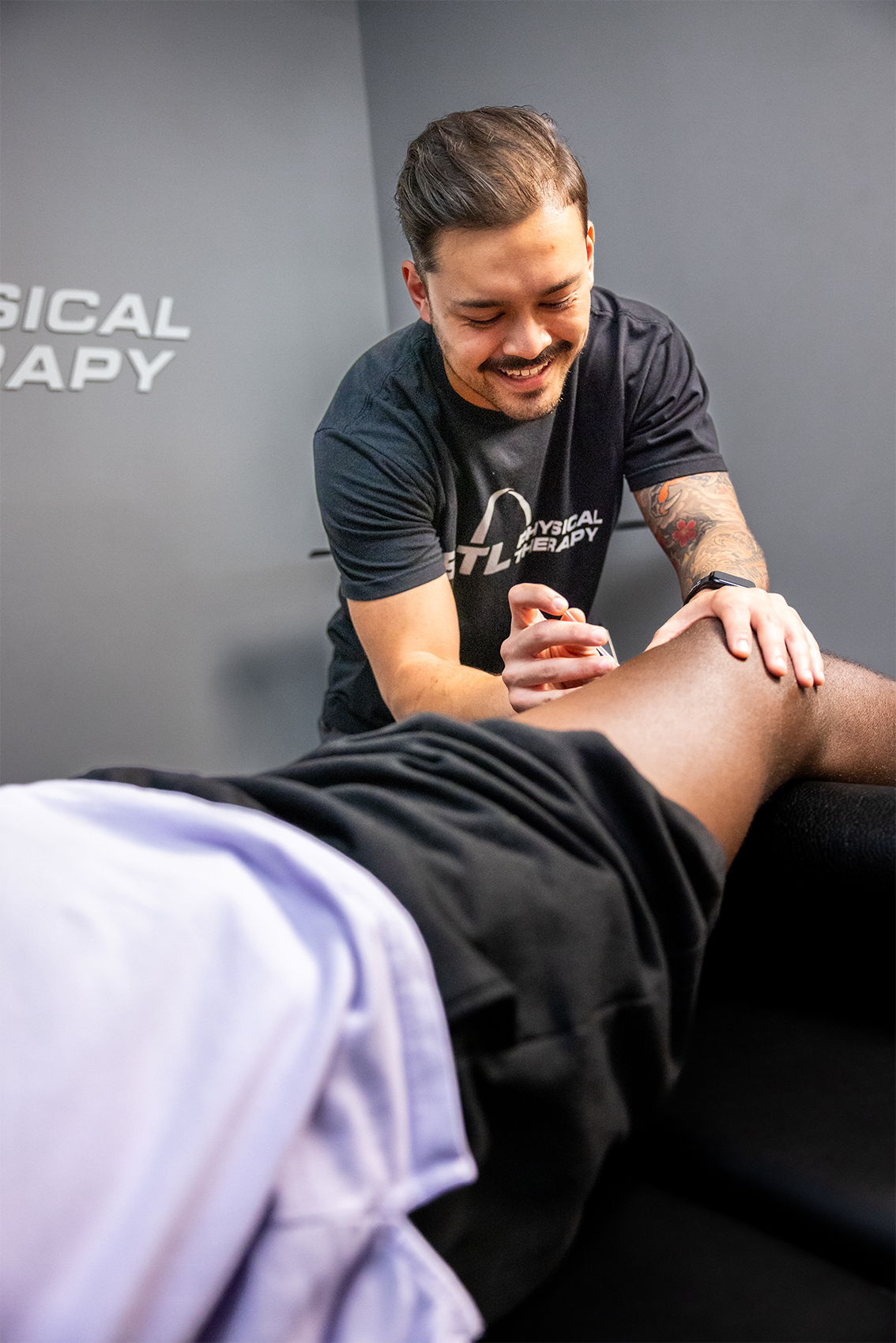
    At STL Physical Therapy, dry needling is always performed by trained physical therapists who deeply understand:

    • Muscle anatomy
    • Movement patterns
    • How injuries happen
    • Rehabilitation strategies

    This understanding is important because dry needling is often used as part of a larger treatment plan that includes exercises, mobility work, and hands-on therapy.

    How Each Works Mechanically

    Even though both treatments use thin needles, what they are actually doing inside your body is quite different.

    How Acupuncture Works

    Acupuncture works by stimulating specific points along your body’s meridians. From a modern scientific view, research suggests that acupuncture may:

    • Influence your nervous system.
    • Increase blood flow.
    • Trigger the release of your body’s natural pain-relieving chemicals.
    • Help you relax.

    This is one reason acupuncture is often used for both physical and stress-related conditions.

    How Dry Needling Works

    Dry needling focuses directly on muscle tissue and trigger points.

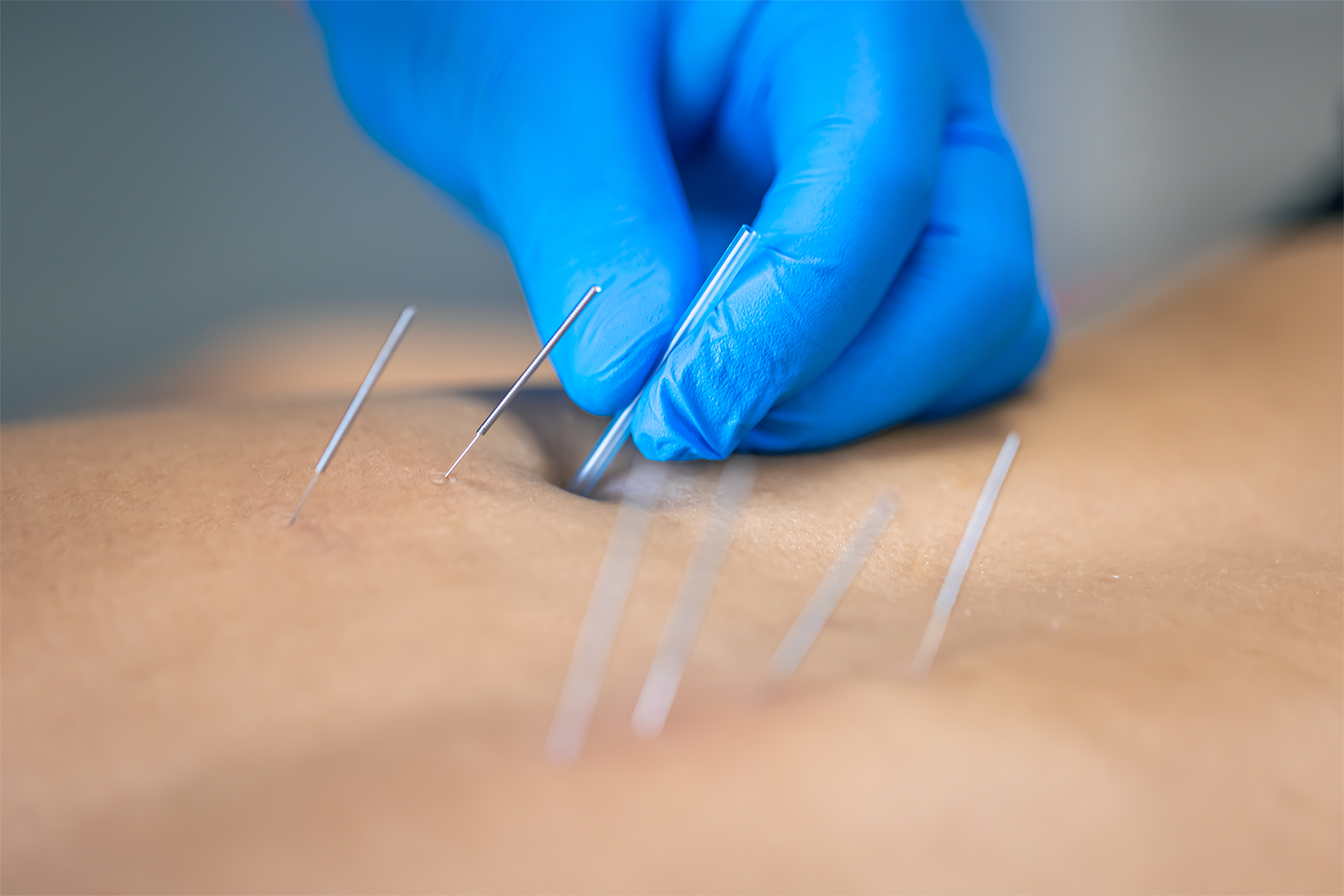
    When a needle is placed into a tight band of muscle, it can create a small local twitch response. This is a positive sign. It means the muscle is reacting and starting to release tension.

    From a physical therapy point of view, dry needling can:

    • Reduce muscle tightness.
    • Improve blood flow to the area.
    • Decrease how sensitive you are to pain.
    • Restore normal muscle activation.

    Simply put, it helps reset the muscle so it can function the way it should.

    What Each Is Best Suited For

    If you are wondering if dry needling is the same as acupuncture, the answer becomes even clearer when you look at how each is typically used.

    When Acupuncture May Be a Good Fit

    Acupuncture can be helpful for a wide range of conditions, including:

    • Long-lasting pain
    • Stress and anxiety
    • Headaches
    • Sleep difficulties
    • General wellness support

    It is often chosen by people who are looking for a more holistic, whole-body approach to their health.

    When Dry Needling May Be a Better Fit

    Dry needling is typically used for problems related to your muscles, especially those involving muscle dysfunction.

    It can be very effective for:

    • Muscle tightness and knots
    • Sports injuries
    • Neck and back pain
    • Shoulder and hip pain
    • Limits in movement

    At STL Physical Therapy, we often use dry needling as part of a complete treatment plan designed to help you move better and feel stronger.

    Can You Use Both?

    Yes, and in some situations, combining them can make a lot of sense.

    Dry needling and acupuncture are not competing treatments. They are simply different tools available to help you.

    Some people benefit from acupuncture for overall wellness or stress management, while also using physical therapy and dry needling to address specific movement or pain issues.

    The key is to understand your main goal.

    If your main concern is muscle pain or problems with movement, dry needling within physical therapy is often the most direct approach.

    If you are looking for a broader, whole-body treatment for general wellness, acupuncture may be a better fit.

    In some cases, using both can offer a more complete approach to your care.

    How We Use Dry Needling at STL Physical Therapy

    At STL Physical Therapy, our dry needling treatments are never used by themselves. It is always part of a bigger plan focused on helping you move better and stay active.

    If you are a new client, we require a full 60-minute evaluation. This allows us to fully understand your pain, how you move, and what your goals are before starting any treatment.

    For follow-up visits, we offer both 60-minute and 30-minute sessions. In shorter 30 minute sessions, the focus is typically on manual therapy, which may include dry needling.

    That said, we generally recommend 60-minute follow-up sessions whenever possible. This gives us the time to incorporate more than just needling, including movement and exercise, which are key to making the changes stick.

    We always encourage some form of exercise alongside dry needling. This helps your body adapt, reinforces better movement, and leads to longer-lasting results.

    Here is what that typically involves:

    • Evaluation (60 minutes)
      We take the time to fully understand your symptoms, movement patterns, and goals.
    • Targeted Treatment (30 or 60-minute follow-up sessions)
      Dry needling is used to address specific muscle tightness or dysfunction, often as part of hands-on care.
    • Movement and Strength Work (primarily in 60-minute sessions)
      We follow it up with exercises to support better movement, strength, and control.
    • Long-Term Strategy
      The goal is not just short-term relief but lasting results that keep you moving well.

    Is One Better Than the Other?

    This is a common question, but it is not really the best way to think about it.

    Neither treatment is always better than the other. It simply depends on what you need.

    Acupuncture offers a broad, system-wide approach.

    Dry needling offers a targeted, muscle-specific approach.

    Both can be valuable when used in the right situation.

    Frequently Asked Questions: Dry Needling vs Acupuncture

    1. Is dry needling the same as acupuncture?

    No. While both use similar thin needles, dry needling is based on modern anatomy and targets muscle dysfunction. Acupuncture is based on traditional Chinese medicine and focuses on energy flow.

    1. Does dry needling hurt more than acupuncture?

    Both treatments use very thin needles and are generally well tolerated. Dry needling may create a brief muscle twitch or soreness. Acupuncture is often described as a more relaxing experience.

    1. Which is more effective for muscle pain?

    Dry needling is typically more direct for muscle-related pain because it specifically targets trigger points and muscle tightness.

    1. Can a physical therapist perform acupuncture?

    In most cases, physical therapists perform dry needling, not traditional acupuncture. This is unless they have completed separate acupuncture training and licensure.

    1. Should I choose dry needling or acupuncture?

    It depends on your goals. For movement issues and muscle pain, dry needling within physical therapy is often the most effective option. For broader wellness or stress-related concerns, acupuncture may be a better fit.

    Final Thoughts

    When it comes to the difference between dry needling and acupuncture, the most important thing to remember is this. They are not the same, but they can both play a valuable role in your health journey.

    If your goal is to move better, reduce muscle pain, and get back to the activities you enjoy, dry needling as part of a physical therapy program can be a powerful tool.

    Ready to Take the Next Step?

    If you are dealing with pain, tightness, or limits in your movement, we are here to help.

    At STL Physical Therapy, we focus on finding the root cause of your problem and building a plan that truly works for you.

    Reach out to our team to schedule a visit and get a clear plan built around your goals and how you want to move.

  • Strength Training for Youth Athletes

    Strength Training for Youth Athletes

    If you are a parent of a young athlete, you have likely heard common warnings:

    • Lifting weights will stunt their growth.
    • They are too young for strength training.
    • They should just play sports and stay active.

    These sound reasonable. However, they reflect outdated beliefs. The reality is that youth athlete strength training is one of the most valuable investments you can make for a young athlete. This is true not only for immediate performance, but also for long-term health, injury prevention, and building crucial confidence.

    The science has been clear for years. Any hesitation you feel is not based on current evidence. It comes from old ideas that simply have not caught up to what we now understand. Let us explore what truly matters, what is safe, and how to help young athletes thrive.

    The Myth: Does Strength Training Stunt Growth?

    This is the biggest concern for parents, and it deserves a direct answer. No, strength training does not stunt growth. There is no credible research suggesting that properly supervised strength training negatively affects a child’s growth plates or development. Organizations like the American Academy of Pediatrics and the National Strength and Conditioning Association have supported youth strength training for decades, provided it is done correctly.

    Where did this myth originate? It likely stems from isolated injuries in the past. These incidents often involved unsupervised lifting, poor technique, or training environments not designed for children. That is not strength training; that is poor coaching. When executed properly, strength training supports healthy development, rather than limiting it.

    What the Research Actually Says

    Research has consistently shown that strength training for young athletes is safe and highly effective when properly supervised. We now know that injury rates in supervised youth strength programs are extremely low. Strength training can improve bone density during key developmental years and enhance neuromuscular control, which helps protect joints. Early exposure to proper movement patterns builds lasting physical literacy into adulthood. Simply put, kids who learn to move well early tend to stay healthier and perform better throughout their lives. This impact is more significant than most people realize.

    The Real Benefits of Youth Athlete Strength Training

    Most people associate strength training with bigger muscles. However, for youth athletes, the primary goal is not muscle bulk. The real benefits extend far beyond aesthetics, impacting health and performance deeply.

    Injury Prevention

    This is perhaps the most critical benefit. Today’s young athletes often play more sports, specialize earlier, and train year-round. This combination significantly increases the risk of overuse injuries. A well-designed strength program can drastically reduce this risk by improving joint stability, balancing muscle groups, reducing stress on growing bodies, and building resilience to handle sport demands. 

    If you want a deeper look at how to keep your athlete healthy throughout the season, you can learn more in our guide: Youth Sports Injury Prevention.

    Better Performance

    Speed, power, and coordination are not accidental; they are trained attributes. Strength training helps young athletes run faster, jump higher, change direction more efficiently, and produce force safely. Athletes who move better inherently perform better in their sport.

    Confidence That Carries Over

    Often overlooked, this benefit is incredibly powerful. As kids become stronger, they feel it not only physically but also mentally. They move with greater confidence, trust their bodies more, and are less afraid of injury. This enhanced confidence translates directly to games, practices, and even into their daily lives outside of sports.

    Long-Term Athletic Development

    The objective is not solely to enhance a 12-year-old’s performance today. The broader goal is to equip a 16, 18, or 22-year-old athlete to remain healthy and achieve their full potential. Strength training builds the essential physical foundation for this future success and long-term well-being.

    At What Age Should Kids Start Strength Training?

    Earlier than many parents might think. Children can safely begin structured strength training as early as 7 or 8 years old, provided it is supervised and meticulously focused on proper technique. At this young age, the emphasis is not on lifting heavy weights. Instead, it is about learning body control, developing coordination, practicing fundamental movement patterns, and building a foundation of strength.

    As they grow and mature, the program can evolve. Resistance can gradually increase, always based on the individual athlete’s ability and maturity level. A simple guideline is this: if a child is mature enough to follow instructions and maintain focus, they are ready to begin.

    What Good Youth Strength Training Actually Looks Like

    Young boy wearing a sweatband and holding a dumbbell in his right hand doing a bicep curl

    Much confusion surrounds the image of “strength training.” When parents hear the term, they often envision crowded gyms, heavy barbells, and adults pushing their physical limits. This is emphatically not what youth strength training should entail.

    A proper program for young athletes includes:

    Movement First

    Before adding any external resistance, children must learn to move their own bodies effectively. This includes fundamental actions such as squatting, hinging, pushing, pulling, landing, and safely decelerating. Good, efficient movement is the bedrock of all subsequent physical development.

    Technique Over Weight

    The unwavering focus is always on performing exercises correctly, not on lifting maximum weight. Perfect repetitions with impeccable form are far more valuable than heavy repetitions executed poorly.

    Gradual Progression

    Strength is not built overnight; it develops steadily over time. Programs should advance slowly and intentionally, always matching the athlete’s physical and mental development stage.

    Individual Attention

    Every athlete is unique. Their age, specific sport, injury history, and current growth stage all significantly influence how a program should be designed. This is never a one-size-fits-all process.

    What Parents Are Right to Be Concerned About

    Parents are justifiably cautious regarding their child’s training. Indeed, certain environments and approaches are entirely inappropriate for young athletes.

    Red flags should include:

    • Lack of supervision or qualified coaching,
    • An undue focus on “maxing out” or lifting heavy weights too soon,
    • Ignored or uncorrected poor technique,
    • Programs that treat children as miniature adults.

    These are the scenarios where injuries occur. The solution is not to avoid strength training but to ensure it is conducted correctly and in the proper environment.

    How STL Physical Therapy Approaches Youth Strength Training

    At STL Physical Therapy, strength training extends beyond merely building muscle. It is about developing better athletes, from the ground up.

    Every new youth athlete begins with a thorough evaluation. This allows us to gain a deep understanding of their movement patterns, current physical capabilities, and specific needs for optimal development.

    From this assessment, we create a customized plan focusing on:

    • Improving movement quality
    • Safe and effective strength development
    • Critical injury prevention strategies
    • Addressing sport-specific demands

    Our dedicated team offers a unique blend of clinical physical therapy expertise, real-world coaching experience, and a profound understanding of athletic performance.

    This is not a typical gym setting. It is a structured, intentional, and science-backed approach designed to help young athletes move better, stay healthy, and achieve higher performance in their sport and life. To learn more about our team, please visit our Meet the Team page.

    What a Strong Young Athlete Looks Like Over Time

    While immediate performance is important, the larger, long-term picture holds even greater significance.

    A young athlete who begins strength training early, with appropriate guidance and supervision, typically:

    • Exhibits more efficient movement
    • Enjoys greater health through high school sports
    • Recovers more effectively from training and competition
    • Develops deep confidence in their physical abilities
    • Establishes a robust foundation for collegiate sports or lifelong physical activity

    At 16, they appear notably more prepared and resilient. At 18, they seem considerably more durable and capable. By 22, they are often still moving well and performing strongly, while many peers contend with chronic injuries and physical limitations. That is the true, enduring value of youth strength training.

    FAQ: Strength Training for Youth Athletes

    1. Is strength training safe for kids?

    Yes. When properly supervised by qualified professionals and focused on correct technique, strength training is very safe for kids with a remarkably low injury rate.

    2. Will lifting weights stunt my child’s growth?

    No. There is no scientific evidence that strength training negatively impacts a child’s growth or growth plates when performed correctly and appropriately.

    3. At what age should my child start strength training?

    Children can safely begin structured strength training as early as 7 or 8 years old, when they can follow instructions and are supervised by a qualified professional.

    4. Should my child lift heavy weights?

    Not initially. The focus should always be on mastering fundamental movements, perfecting technique, and ensuring gradual progression. Heavy loads are introduced only over time, based on individual readiness.

    5. Is strength training better than just playing sports?

    They are complementary. Playing sports builds specific skills and game awareness, while strength training builds the crucial physical foundation that supports better performance and significantly reduces injury risk.

    6. Does my child need a personal program?

    In most cases, yes, an individualized program is highly beneficial. Every young athlete is unique, with specific physical needs, sport demands, and goals. A personalized program addresses these factors most effectively.

    Ready to Help Your Athlete Build a Strong Foundation?

    If you are committed to helping your child stay healthy, perform optimally, and build a resilient future, strength training is not a discipline to delay. It is an opportunity to embrace and execute correctly, with expert guidance.

    At STL Physical Therapy, we specialize in empowering youth athletes to build foundational strength, move better, prevent injuries, and achieve higher performance in their sport and life. We recommend beginning with a comprehensive evaluation. This assessment allows us to understand your athlete’s exact needs and create a tailored plan that truly supports their growth and development.

    Explore our services or schedule an evaluation today to set your young athlete on the path to lasting strength and success.

  • Play Your Best Golf After 50 in St. Louis

    Play Your Best Golf After 50 in St. Louis

    If you are still stepping onto the golf course after 50, you are already ahead of the game. Golf truly is one of those sports you can enjoy for a lifetime. But let us be honest, it does not always feel the same as it used to. Maybe your drives have lost a little distance. Stiffness might show up after a round. And recovery seems to take a bit longer than it did ten years ago.

    Here is the good news. None of that means your best golf is behind you. Many golfers play better in their 50s and 60s than they did in their 30s. The secret often lies in something called golf fitness. At STL Physical Therapy, we do not just focus on getting you out of pain. Our goal is to help you move better, swing more efficiently, and stay on the course enjoying the game for years to come.

    What Happens to Your Body After 50 That Affects Your Golf Game

    Your body is incredibly capable of powerful and efficient movement, even after 50. However, there are some natural changes that can start to impact your swing and how you recover.

    Reduced Hip Mobility

    The golf swing relies heavily on your hips rotating smoothly. Over time, hips can become stiff, especially if you spend a lot of time sitting throughout the day. When hip mobility decreases, your body looks for movement elsewhere. This often means your lower back takes on more stress than it should, leading to discomfort.

    Loss of Rotational Power

    Power in your golf swing comes from your ability to create and transfer force through your body. This involves your hips, core, and upper body all working together. After 50, muscle mass and power can gradually decline if they are not actively trained. This can lead to those frustratingly shorter drives and less consistency in your shots.

    Slower Recovery Times

    You might notice that soreness lingers longer after a round or a practice session. This is a normal part of aging. Your body’s recovery capacity changes, but it can absolutely be improved with the right training and smart load management.

    These changes are common experiences, but they are not permanent limitations. With the right plan, they can be addressed, and in many cases, even reversed.

    The Real Reasons Golfers Over 50 Lose Distance and Develop Pain

    Most golfers assume that pain or a drop in performance is just an inevitable part of getting older. The truth is it usually comes down to a few key issues that can be fixed.

    1. Mobility Limitations in the Hips and Thoracic Spine
      • If your hips and upper back are not moving well, your golf swing becomes restricted. This can significantly reduce club head speed and force your body into awkward compensations.
      • Common Result: Low back pain during or after a round.
    2. Lack of Strength and Power
      • Strength is not just for younger athletes. It is one of the most important factors for maintaining distance and control as you age. Without enough strength, your body cannot properly stabilize the swing or generate force effectively.
      • Common Result: Noticeable loss of distance and increased strain on your joints.
    3. Poor Movement Patterns Developed Over Time
      • Even small inefficiencies in your golf swing or everyday movement patterns can build up over many years. Your body adapts to these patterns, often in ways that increase stress on certain areas.
      • Common Result: Chronic issues like hip pain, shoulder discomfort, or recurring low back pain complaints.

    How Golf Physical Therapy in St. Louis Can Help

    This is where a golf-specific physical therapy approach truly makes a difference. At STL Physical Therapy, we do not just look at your symptoms. We focus on how your body moves as a whole and how that movement translates directly to your golf swing.

    Restoring Mobility Where You Need It Most

    Instead of general stretching, our physical therapy targets the specific areas that impact your golf swing. This often includes:

    • Hip mobility works to improve rotation and allow for a fuller turn.
    • Thoracic spine mobility to create a smoother backswing and follow through.

    When these key areas move better, your lower back does not have to compensate, which often relieves pain.

    Building Strength That Transfers Directly to Your Swing

    Strength training is one of the most important parts of golf fitness after 50. This does not mean lifting heavy weights without purpose. It means building strength in the specific muscles that support and power your golf swing.

    Our focus areas include:

    • Glutes for powerful drives and improved stability.
    • Core muscles for better control and efficient force transfer.
    • Shoulders for consistency, injury prevention, and durability.

    This targeted approach is what helps you maintain or even increase your distance over time.

    Improving Movement Patterns for a More Efficient Swing

    A golf-specific program looks closely at how you move, not just how strong or flexible you are in isolation. By improving your fundamental movement patterns, we can help reduce stress on your joints and make your golf swing much more efficient. This is often the missing piece for golfers who feel like they are doing everything right but are still dealing with discomfort or stalled performance.

    What a Golf-Specific PT Program Looks Like at STL Physical Therapy

    Every golfer is unique, which is why your physical therapy plan should be built around your individual needs and goals. 

    Our approach is also guided by principles from the Titleist Performance Institute (TPI), one of the leading organizations in golf performance. As a TPI certified provider, we use golf-specific movement screening and training methods designed to improve how your body supports your swing.

    Here is what you can expect from a golf physical therapy St. Louis program at STL Physical Therapy.

    A Full Body Movement Assessment

    This is where everything begins. Your physical therapist will thoroughly assess:

    • Your overall mobility and flexibility.
    • Your strength and stability in key areas.
    • How your body moves through golf-related patterns.

    This comprehensive assessment helps us identify exactly what is holding you back, whether it is tight hips, weak glutes, limited rotation, or a combination of factors.

    A Personalized Plan Built for Your Specific Goals

    Some golfers want to hit the ball farther. Others want to play pain-free. Many want both. Your personalized plan is designed around your specific goals and your current level of fitness.

    It may include a variety of techniques, such as:

    • Targeted mobility work to unlock restricted areas.
    • Strength and power training to boost your clubhead speed.
    • Balance and coordination drills to improve control.
    • Guidance on recovery and load management to keep you healthy.

    Hands-On Treatment When Necessary

    If you are dealing with pain or stiffness, hands-on techniques can be incredibly effective in reducing tension and improving movement. This may include soft tissue work or advanced techniques like dry needling to address muscle tightness and trigger points that impact your swing.

    Progression Over Time

    As your body adapts and gets stronger, your program will evolve. This progressive approach is what helps you continue improving. It is not just about feeling better today. It is about building a body that supports your golf game for the long term.

    Why Starting Before You Are Hurt Is the Smartest Move

    One of the biggest misconceptions about physical therapy is that it is only for injuries. The reality is that the best results, especially for senior golfers, come when you take a proactive approach before pain becomes a significant problem.

    When you take a proactive approach to golf fitness over 50 with physical therapies:

    • You can improve your performance without interruptions due to pain.
    • You significantly reduce your risk of developing common golf injuries.
    • You build confidence in your body and your golf swing.

    For many golfers over 50, this proactive shift changes everything. Instead of reacting to pain or performance drops, you are building a strong foundation that keeps you playing consistently and enjoying every round.

    Stay on the Course for Years to Come

    Golf is so much more than just a sport. It is time spent outdoors, valuable time with friends, and a fantastic way to stay active. There is absolutely no reason that should stop at 50. With the right combination of mobility, strength, and movement training, you can continue to improve your game and truly enjoy every round.

    At STL Physical Therapy, we work with active adults across St. Louis who want to feel better, move better, and keep doing what they love. Whether you are dealing with hip pain, low back discomfort, or simply want to hit the ball farther, we are here to help.

    Frequently Asked Questions

    1. Can physical therapy really help improve my golf game after 50?
      Yes, absolutely. Physical therapy can significantly improve your mobility, strength, and movement patterns, all of which directly impact your golf swing. Many golfers see improvements in distance, consistency, and overall comfort on the course.
    2. Is strength training safe for older golfers?
      Yes, when done correctly. A structured strength training program designed by a professional focuses on proper technique and appropriate loading, making it both safe and incredibly effective for senior golfers.
    3. What are the most common injuries in golfers over 50?
      Low back pain, hip pain, and shoulder issues are among the most common complaints for golfers over 50. These are often related to underlying mobility limitations and movement compensations during the swing.
    4. How often should I do golf fitness exercises?
      This depends on your current condition, fitness level, and specific goals. Most golf fitness programs include a mix of mobility and strength work several times per week, tailored to your individual needs.
    5. Do I need to be in pain to start physical therapy?
      Not at all. Starting a golf-specific physical therapy program before pain develops is one of the best ways to improve your performance, increase your longevity in the sport, and prevent future issues from arising.

    Ready to Play Your Best Golf After 50?

    If your goal is to golf better at 60 than you did at 50, it starts with how you take care of your body today.

    Book a golf performance evaluation with STL Physical Therapy and get a plan designed specifically for you, guided by TPI-certified golf performance principles.

  • Does Dry Needling Work?

    Does Dry Needling Work?

    If you’ve been battling stubborn muscle pain or tightness that just won’t quit, you’ve likely heard about dry needling. And like most people, your first thought was probably, “Does this actually work?”

    It’s a fair question and one we hear daily. Instead of hype, we want to be straight with you. As  physical therapists in St. Louis, we’ve seen dry needling bring incredible relief but also seen it misused.

    So, let’s get to the truth:

    It truly depends on what’s driving your pain.

    Think of dry needling as a precision tool in a larger toolbox. In the right hands, for the right job, it’s incredibly effective, offering relief, improved movement, and a return to comfort. But using it on the wrong problem or as the sole solution won’t yield results.

    Dry needling isn’t a magic cure-all. No single treatment is. Its power comes from being used intelligently, strategically, and as part of a larger, tailored treatment plan.

    In this guide, we’ll offer a clear, honest look at the scientific research, how dry needling works, and crucially, when it makes sense for your situation and when it might not.

    Let’s dive in.

    The Honest Answer, Right Up Front

    Dry needling, while potent, isn’t a universal antidote for every ache. If someone suggests it’s the only answer, be skeptical.

    However, when expertly applied to the right conditions, especially those rooted in muscular dysfunction, tension, or specific trigger points, it can be transformative. It has the power to:

    • Melt away stubborn muscle tension.
    • Significantly boost flexibility and joint freedom.
    • Effectively reduce persistent pain levels.
    • Help you feel noticeably more comfortable in your body.

    On the flip side, if your pain stems from advanced joint degeneration (like severe arthritis), a truly compressed nerve (structural issue), or deeply ingrained inefficient movement patterns, dry needling alone is unlikely to solve the core problem. It might offer temporary relief but won’t address the cause.

    This is why a thorough, hands-on evaluation with a skilled physical therapist is crucial. Our role isn’t just to chase symptoms; it’s to investigate what’s causing your pain. This understanding forms the foundation for an effective, personalized treatment plan for lasting improvement.

    What the Research Actually Tells Us

    When people ask, “Is dry needling effective?” They often want a simple yes or no. Science, however, is nuanced. The evidence for dry needling, while growing, is detailed.

    Here’s a clear snapshot of current scientific evidence:

    • Moderate evidence exists that dry needling can reduce pain and improve function for those with myofascial trigger points (muscle “knots”).
    • Benefits are most pronounced in the short term, especially when combined with active therapeutic approaches like exercise and movement therapy. It’s rarely a long-term standalone solution.
    • It may offer significant assistance for conditions like neck pain, certain shoulder pain, and low back pain with a muscular component.
    • Results are less consistent when dry needling is used as the sole treatment, without a broader rehabilitation program.

    Essentially, the evidence supports dry needling as a valuable component within a comprehensive, individualized treatment strategy, acting as a powerful catalyst within a larger healing process.

    Clinically, we see this daily. Clients often report immediate relief, but the truly lasting improvements come when dry needling is combined with dedicated work on strength, flexibility, movement patterns, and body mechanics. This synergy unlocks its greatest potential.

    How Dry Needling Actually Works (The Fascinating Mechanics Behind the Relief)

    Understanding what happens beneath your skin is key to appreciating dry needling. It’s a targeted, physiological intervention.

    Dry needling specifically targets myofascial trigger points, those stubbornly tight, sensitive, painful “knots” within a muscle. These dysfunctional areas can:

    • Severely limit the range of motion.
    • Generate localized or referred pain.
    • Keep the muscle in constant tension, leading to stiffness and weakness.

    When a super-thin, sterile needle is precisely inserted into a trigger point, a cascade of physiological events unfolds:

    1. The Local Twitch Response: You might feel a quick, involuntary muscle contraction. This is a positive sign, indicating the muscle is reacting, releasing tension, and resetting its neurological input.
    2. Improved Blood Flow and Localized Healing: The tiny needle creates controlled micro-trauma, increasing circulation. Enhanced blood flow delivers oxygen and nutrients vital for tissue healing and waste removal.
    3. Nervous System Reset and Pain Modulation: Dry needling influences the nervous system by stimulating nerve endings. It helps to calm overactive pain signals, disrupting dysfunctional communication and changing how pain is perceived in that region.
    4. Immediate Reduction in Muscle Tightness: Following treatment, many patients notice the targeted muscle feels significantly less restricted, looser, and easier to move. This is often objectively measurable.

    This combination explains why people often report immediate changes in mobility and comfort after a session. It’s about helping the muscle “let go” and revert to a normal, healthy state.

    Dry Needling Benefits: What You Stand to Gain from This Treatment

    When dry needling is appropriately integrated into a smart treatment plan, it offers impactful benefits that help you feel and move better:

    • Faster, Targeted Pain Relief: Quick relief for inflamed, irritated, overworked, or spasming muscles.
    • Significantly Improved Range of Motion: Especially in chronically tight areas like the neck, shoulders, or hips.
    • Enhanced Muscle Activation and Function: Helps restore proper muscle function, crucial for strength and injury prevention.
    • Reduced Sensitivity in Painful Trigger Points: Less irritating pain and greater overall comfort.

    For athletes or active individuals, these benefits can be transformative, allowing a quicker return to activity with greater confidence.

    However, these profound dry needling benefits are maximized when integrated into a comprehensive physical therapy plan that addresses all aspects of your movement, strength, and well-being.

    When Dry Needling Shines Brightest (And When It Might Not Be the Best Fit)

    Dry needling is most effective when your pain or limitation is primarily muscle-driven.

    Common scenarios where it excels:

    • Persistent, tight, and knotted muscles: Neck, upper back, gluteal muscles.
    • Shoulder Pain: Linked to muscle imbalances, overuse, or strains.
    • Hip or Gluteal Tightness: Affecting walking, running, or sitting.
    • Muscle-Related Low Back Pain: When muscles are spasming or chronically tight.
    • Sports-Related Muscle Strains and Overuse: Accelerating healing and recovery.
    • Post-Injury Muscle Guarding: Helping muscles relax, preventing spasms.

    Even for nerve-related conditions like sciatica, dry needling can reduce tension in surrounding muscles.

    When Dry Needling Is Not the Right Tool (Understanding the Limitations)

    Dry needling isn’t always optimal, especially if the root cause of your pain isn’t primarily muscular.

    It may be less effective for:

    • Severe Joint-Related Issues: Advanced arthritis or structural joint problems.
    • Pure Nerve Compression: When a nerve is compressed by a disc herniation or stenosis without significant muscle spasm.
    • Conditions Requiring Deep Core Stabilization or Complex Motor Retraining: It releases muscles but doesn’t teach better use or stabilization.
    • Pain That’s Primarily Inflammatory or Systemic: Widespread inflammation or autoimmune conditions.

    It’s also not a long-term standalone solution. If we only needle without addressing why the muscle got tight (e.g., posture or weakness), the pain will likely return.

    This is why, at STL Physical Therapy, dry needling is always one piece of a larger, personalized treatment plan.

    What to Expect During and After a Dry Needling Session at Our Clinic

    If you’re new to dry needling, it’s normal to feel unsure.

    During a session:

    1. Thorough Assessment: Your therapist identifies specific trigger points.
    2. Gentle Needle Insertion: A thin, sterile needle is precisely inserted into the targeted muscle.
    3. The “Twitch” or Deep Ache: You might feel a quick twitch or a deep ache, a positive sign of muscle reaction.
    4. Quick and Focused: Sessions are swift, focusing on precision and effectiveness.

    Your therapist will communicate with you throughout.

    After treatment:

    • Immediate Relief or Improved Movement: Many feel immediate loosening or a better range of motion.
    • Mild Post-Treatment Soreness: Common, like a workout, lasting 24-48 hours.
    • Gradual Pain Reduction: Full benefits may unfold over a day or two.
    • Minor Bruising or Fatigue: Infrequent, temporary side effects.

    Crucially, your therapist will almost always integrate exercises or movement retraining post-needling to “lock in” improvements and reinforce healthy patterns.

    Dry Needling Side Effects and Safety: Essential Information You Need to Know

    When performed by a highly trained, licensed professional, dry needling is very safe. Our therapists undergo rigorous training in anatomy and sterile practices.

    Side effects are mostly mild and temporary:

    • Post-Treatment Soreness: Most common, like post-exercise muscle fatigue.
    • Temporary Bruising: Small, localized bruising can occur.
    • Transient Fatigue or Discomfort: Brief periods of tiredness or lightheadedness.
    • Minor Bleeding: A tiny drop of blood at the insertion site is not uncommon.

    Serious complications are extremely rare, thanks to expert training and sterile techniques.

    Discuss any underlying health conditions, medications (especially blood thinners), or pregnancy with your therapist to ensure dry needling is safe for you. Your safety and comfort are paramount.

    How We Use Dry Needling at STL Physical Therapy: A Holistic Approach

    does dry needling work

    At STL Physical Therapy, dry needling is never a standalone solution. It’s one effective tool within our extensive toolbox.

    When incorporated into your personalized plan, it’s part of a larger program that may include:

    • Targeted Strength Training
    • Mobility and Flexibility Work
    • Movement Retraining and Ergonomic Guidance
    • Hands-on Manual Therapy
    • Education and Self-Management Strategies

    Our goal is not just temporary relief but to help you move better, feel better, and stay better in the long run, empowering you to return to activities you love.

    Final Thoughts: So, Does Dry Needling Really Work? The Definitive Answer.

    Does dry needling work? A resounding yes, it absolutely can and often does.

    However, its effectiveness is unlocked only when used for the correct reasons, in the appropriate clinical context, and integrated as a vital component of a truly complete, individualized, and comprehensive treatment plan.

    When expertly used, dry needling can be a powerful method for reducing muscle-related pain, easing tension, and improving movement. It acts as a potent catalyst for recovery. But it should never be perceived as the only solution for complex pain problems.

    If you are wrestling with ongoing pain, stiffness, or limitations and wonder if dry needling could help, the most effective next step is a proper, expert evaluation. A skilled physical therapist can assess your situation and help determine if dry needling is the right path to achieving your specific health goals.

    Frequently Asked Questions About Dry Needling

    Does dry needling hurt?

      Most individuals report a quick twitch or dull ache, usually brief and tolerable.

      How many dry needling sessions will I typically need?

        Highly individualized, depending on your condition, duration, and response.

        Is dry needling the same as acupuncture?

          No. Dry needling targets muscle trigger points based on Western medical science.

          How quickly does dry needling work to provide relief?

            Relief can be immediate or unfold gradually over 24-48 hours.

            Are there any risks associated with dry needling?

              Minimal risks when performed by a trained professional. Common side effects are temporary soreness and minor bruising.

              Ready to Find Out if Dry Needling is the Right Solution for You?

              If you’re tired of battling persistent pain and limitations and seeking an honest, effective plan, we are here to help.

              Schedule a personalized dry needling consultation today. You’ll receive a comprehensive evaluation to determine if dry needling, integrated into a broader therapeutic program, is the most effective path to lasting relief and regaining your full potential.