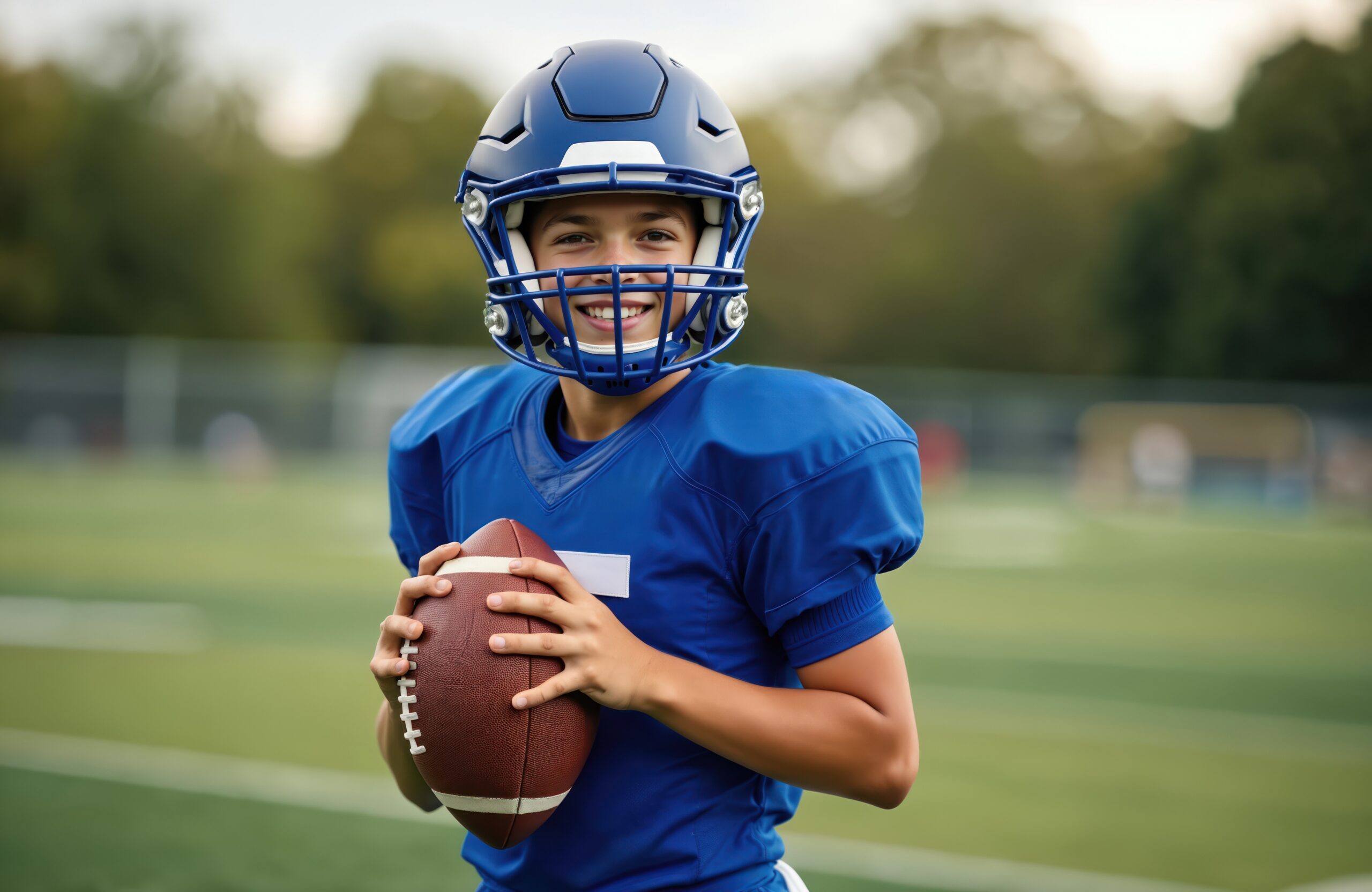
Football season in St. Louis means Friday night lights, packed practice schedules, and the contact and quick bursts of speed that make the sport what it is. It also means a real jump in physical demand on bodies that are often still growing.
Youth and high school football injuries are common once two-a-days start and the season picks up. Some come from contact. Many others build gradually from the cutting, tackling, and sprinting the game requires, especially before an athlete’s body has fully adjusted to the season’s workload.
Understanding why these injuries happen, which ones show up most often, and how physical therapy fits into keeping a young athlete on the field can help parents, coaches, and players approach the season with a plan instead of just hoping for the best.
Why Youth and High School Football Injuries Happen So Often
Football asks a lot of the body. Players accelerate, decelerate, change direction, and absorb contact, often within the same play. That combination of speed and impact is part of what makes the sport demanding on joints, muscles, and connective tissue.
A multi-year study of high school athletes found an overall football injury rate of about 4 injuries for every 1,000 athlete exposures, with games producing injuries at nearly six times the rate of practices. That gap makes sense. Games move faster, contact is more consistent, and athletes are pushing closer to their physical limits than they typically do in a controlled practice setting.
Interestingly, the total number of injuries tends to split fairly evenly between practices and games over a season. Practices simply happen far more often, so even a lower injury rate per practice adds up. That is one reason a solid preseason and in-season training plan matters just as much as game-day preparation.
The Most Common Youth and High School Football Injuries
Not every football injury looks the same, and understanding the most frequent types can help parents and athletes know what to watch for.
Concussions
Concussions are one of the most closely watched injuries in youth and high school football because they can happen during tackles, collisions, and other contact on the field. Players in positions that are frequently involved in contact, such as running backs and linebackers, may face greater exposure to these types of impacts.
Any suspected concussion should be evaluated before an athlete returns to practice or a game, even if symptoms seem mild. Headache, dizziness, confusion, and sensitivity to light are common signs. Athletes should also follow the appropriate medical evaluation and return-to-play process before getting back on the field.
Sprains and Strains
Ligament sprains and muscle or tendon strains are the most frequently reported injuries in both practices and games, often affecting the ankle, knee, or hamstring. These usually come from the cutting, planting, and sprinting movements that repeat throughout a practice or game, especially when an athlete’s body is fatigued.
Knee Injuries
The knee is one of the most commonly injured areas in football, and ongoing knee pain is worth addressing rather than playing through it. The cutting, tackling, blocking, and sudden changes in direction that are part of the game can place significant stress on the knees. Depending on the position and type of contact, football players may experience ligament injuries such as MCL or ACL injuries.
Shoulder Injuries
Collarbone fractures, AC joint separations, and rotator cuff strain show up often, particularly for quarterbacks and defensive backs who take repeated falls and tackles on outstretched arms or exposed shoulders. Shoulder pain that lingers after a hard fall or tackle is worth having checked rather than assuming it will settle on its own.
Overuse Injuries Tied to Growth
Younger athletes face a category of injury that is less about a single play and more about accumulated stress. Conditions like Osgood-Schlattere, which causes pain below the kneecap, tend to show up during growth spurts when bones, tendons, and muscles are not developing at the same pace. Fall camp, with its jump in training volume, is a common time for these overuse injuries to surface.
Why Age and Growth Change the Picture for Young Football Players
A high school senior and a seventh grader are not managing the same physical demands, even if they play the same position. Growth spurts can affect coordination, flexibility, and movement control in young athletes, which changes how their bodies respond to contact and repetitive movement.
Younger players are also more likely to be playing multiple sports, specializing earlier, or jumping into a full practice schedule without much of a training base. Without some off-season strength and movement work, that combination can raise the risk of both contact injuries and overuse issues once the season starts.
This is part of why building strength and movement quality before the season begins matters just as much for a 12-year-old as it does for a varsity starter, even though the training itself should look different at each age and stage.
How Physical Therapy Helps Prevent Youth and High School Football Injuries
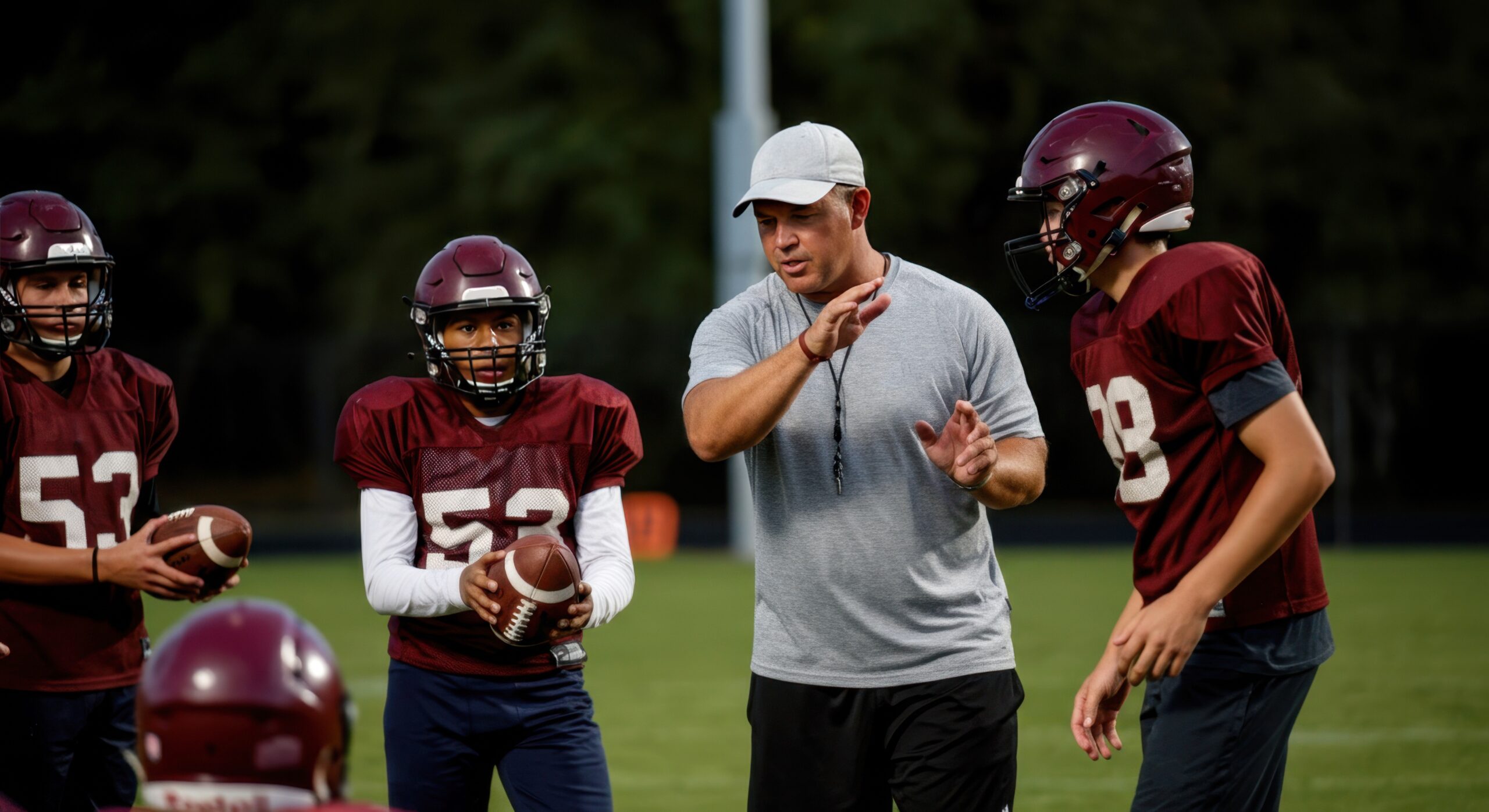
Preventing youth and high school football injuries starts well before the first snap of the season. A physical therapist can look at how an athlete moves as a whole and build a plan around what that specific player actually needs.
A typical approach includes:
- Movement and strength assessments before the season, to identify limitations in mobility, strength, or balance before they turn into an injury
- Position-specific strength training, since a lineman, a receiver, and a linebacker place different demands on their bodies
- Landing, cutting, and deceleration mechanics, teaching the body to absorb force safely during the quick direction changes that show up in nearly every play
- Neck and shoulder strengthening, which can help the body better tolerate the contact that comes with tackling and blocking
- Conditioning built around the heat, since fall football practices in Missouri can mean training in high temperatures and humidity. Gradually increasing the intensity and duration of practices can help athletes adjust to the conditions and prepare for the physical demands of the season.
None of this replaces good coaching or proper equipment. It works alongside them, giving a young athlete’s body a better chance to handle everything the season asks of it.
Signs a Young Athlete Should Be Evaluated
Not every ache after practice needs a visit to a physical therapist, but a few situations are worth taking seriously rather than waiting out:
- Joint pain or swelling that does not improve with a few days of rest
- Limping or noticeably favoring one side during or after activity
- A joint that feels unstable, loose, or gives way
- Loss of range of motion in a shoulder, knee, or ankle
- Any concussion symptom after a hit, including headache, dizziness, confusion, nausea, or sensitivity to light
That last one deserves extra weight. An athlete should never return to practice or a game the same day a concussion is suspected, regardless of how they say they feel.
How STL Physical Therapy Supports Youth and High School Football Players
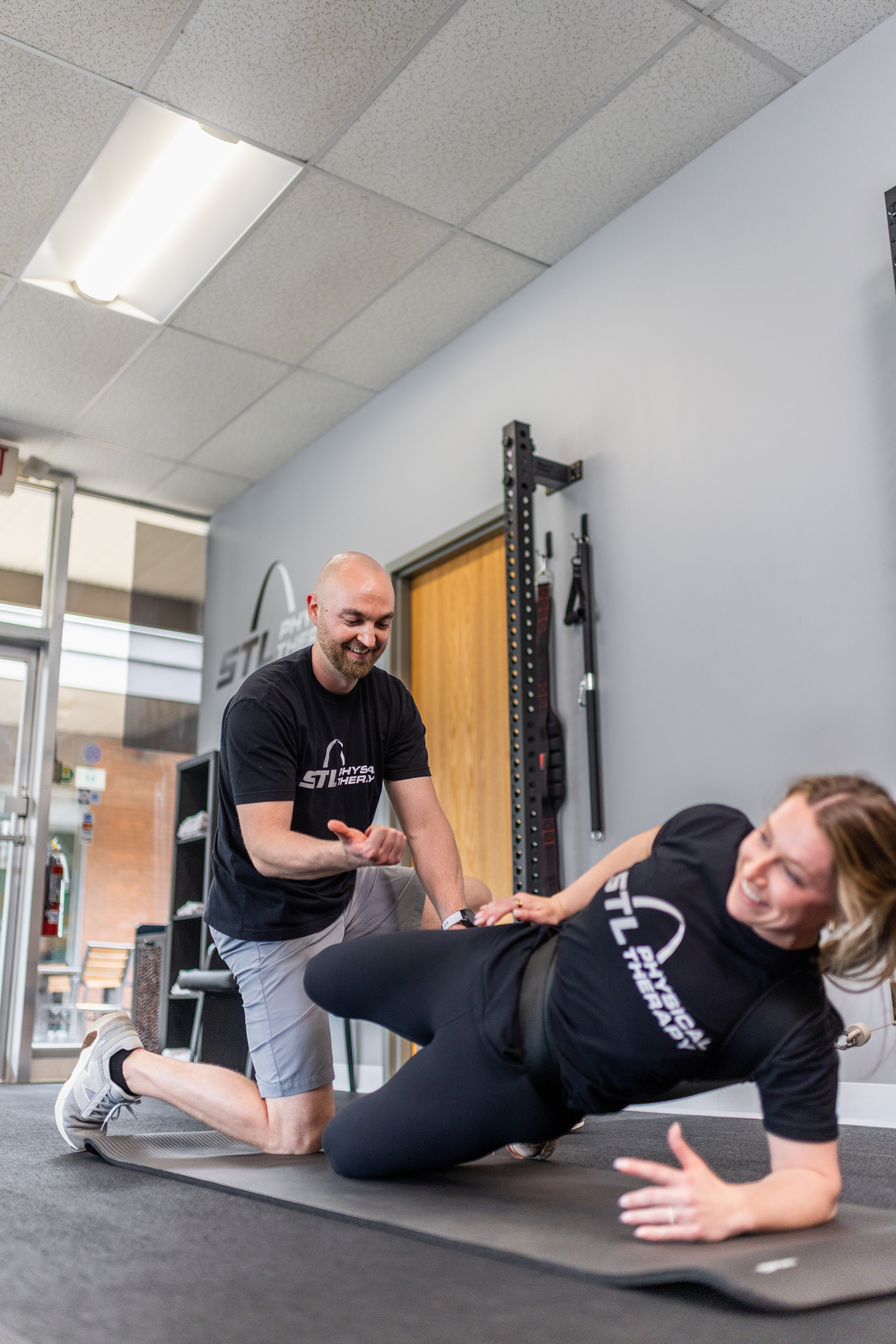
At STL Physical Therapy, working with young athletes starts with a 1-on-1 evaluation rather than a generic program. That means looking at strength, mobility, movement mechanics, and training history before building a plan specific to that athlete’s age, position, and goals.
Our team works with athletes across a range of sports, and the same principles that guide our youth sports injury prevention and youth athlete strength training programs apply directly to football. Whether the goal is getting ready for a first season of tackle football, coming back from a concussion, knee, or shoulder injury, or simply moving with more confidence on the field, care starts with understanding how that athlete actually moves.
Frequently Asked Questions
Can youth and high school football injuries be prevented completely?
No program removes all risk from a contact sport, but structured strength training, movement assessments, and conditioning have been shown to meaningfully reduce injury risk when they are part of a regular routine.
Does my child need to stop playing if a concussion is suspected?
They should stop playing immediately and be evaluated before returning. That does not mean the season is over. It means getting a clear picture of what is going on so the right return-to-play process can be followed.
At what age should a young football player start injury prevention training?
Structured, supervised training can start as early as 7 or 8 years old, with a focus on movement quality and technique rather than heavy loads. The approach should evolve as the athlete grows and takes on more demanding levels of play.
Do I need a referral to be evaluated in Missouri?
Not necessarily. Missouri’s direct access law allows most people to begin physical therapy without a physician referral first, so an evaluation can often start right away.
What happens during a pre-season evaluation?
A typical evaluation looks at strength, mobility, balance, and movement patterns specific to football, usually taking about an hour. From there, a physical therapist can flag any areas that may need attention before the season ramps up.
Help Your Athlete Have a Strong, Healthy Season
Youth and high school football injuries are not something families have to just accept as part of the game. With the right preparation, many can be reduced, and athletes who do get hurt can return with a plan built around getting back to full performance, not just getting back on the field.
Schedule an evaluation with STL Physical Therapy today and take a proactive step toward a safer, stronger season.