If you are a parent of a young athlete, you have likely heard common warnings:
- Lifting weights will stunt their growth.
- They are too young for strength training.
- They should just play sports and stay active.
These sound reasonable. However, they reflect outdated beliefs. The reality is that youth athlete strength training is one of the most valuable investments you can make for a young athlete. This is true not only for immediate performance, but also for long-term health, injury prevention, and building crucial confidence.
The science has been clear for years. Any hesitation you feel is not based on current evidence. It comes from old ideas that simply have not caught up to what we now understand. Let us explore what truly matters, what is safe, and how to help young athletes thrive.
The Myth: Does Strength Training Stunt Growth?
This is the biggest concern for parents, and it deserves a direct answer. No, strength training does not stunt growth. There is no credible research suggesting that properly supervised strength training negatively affects a child’s growth plates or development. Organizations like the American Academy of Pediatrics and the National Strength and Conditioning Association have supported youth strength training for decades, provided it is done correctly.
Where did this myth originate? It likely stems from isolated injuries in the past. These incidents often involved unsupervised lifting, poor technique, or training environments not designed for children. That is not strength training; that is poor coaching. When executed properly, strength training supports healthy development, rather than limiting it.
What the Research Actually Says
Research has consistently shown that strength training for young athletes is safe and highly effective when properly supervised. We now know that injury rates in supervised youth strength programs are extremely low. Strength training can improve bone density during key developmental years and enhance neuromuscular control, which helps protect joints. Early exposure to proper movement patterns builds lasting physical literacy into adulthood. Simply put, kids who learn to move well early tend to stay healthier and perform better throughout their lives. This impact is more significant than most people realize.
The Real Benefits of Youth Athlete Strength Training
Most people associate strength training with bigger muscles. However, for youth athletes, the primary goal is not muscle bulk. The real benefits extend far beyond aesthetics, impacting health and performance deeply.
Injury Prevention
This is perhaps the most critical benefit. Today’s young athletes often play more sports, specialize earlier, and train year-round. This combination significantly increases the risk of overuse injuries. A well-designed strength program can drastically reduce this risk by improving joint stability, balancing muscle groups, reducing stress on growing bodies, and building resilience to handle sport demands.
If you want a deeper look at how to keep your athlete healthy throughout the season, you can learn more in our guide: Youth Sports Injury Prevention.
Better Performance
Speed, power, and coordination are not accidental; they are trained attributes. Strength training helps young athletes run faster, jump higher, change direction more efficiently, and produce force safely. Athletes who move better inherently perform better in their sport.
Confidence That Carries Over
Often overlooked, this benefit is incredibly powerful. As kids become stronger, they feel it not only physically but also mentally. They move with greater confidence, trust their bodies more, and are less afraid of injury. This enhanced confidence translates directly to games, practices, and even into their daily lives outside of sports.
Long-Term Athletic Development
The objective is not solely to enhance a 12-year-old’s performance today. The broader goal is to equip a 16, 18, or 22-year-old athlete to remain healthy and achieve their full potential. Strength training builds the essential physical foundation for this future success and long-term well-being.
At What Age Should Kids Start Strength Training?
Earlier than many parents might think. Children can safely begin structured strength training as early as 7 or 8 years old, provided it is supervised and meticulously focused on proper technique. At this young age, the emphasis is not on lifting heavy weights. Instead, it is about learning body control, developing coordination, practicing fundamental movement patterns, and building a foundation of strength.
As they grow and mature, the program can evolve. Resistance can gradually increase, always based on the individual athlete’s ability and maturity level. A simple guideline is this: if a child is mature enough to follow instructions and maintain focus, they are ready to begin.
What Good Youth Strength Training Actually Looks Like
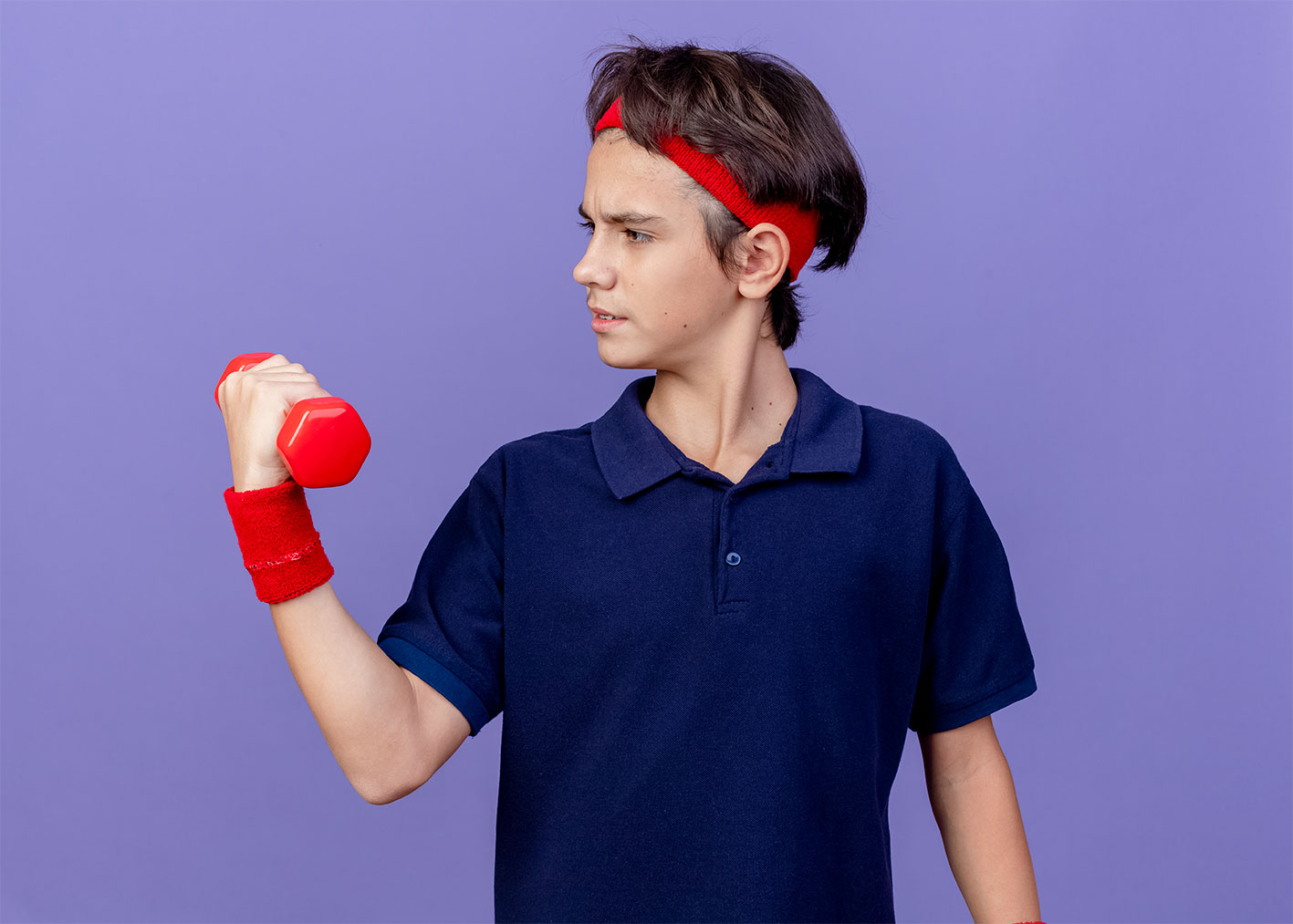
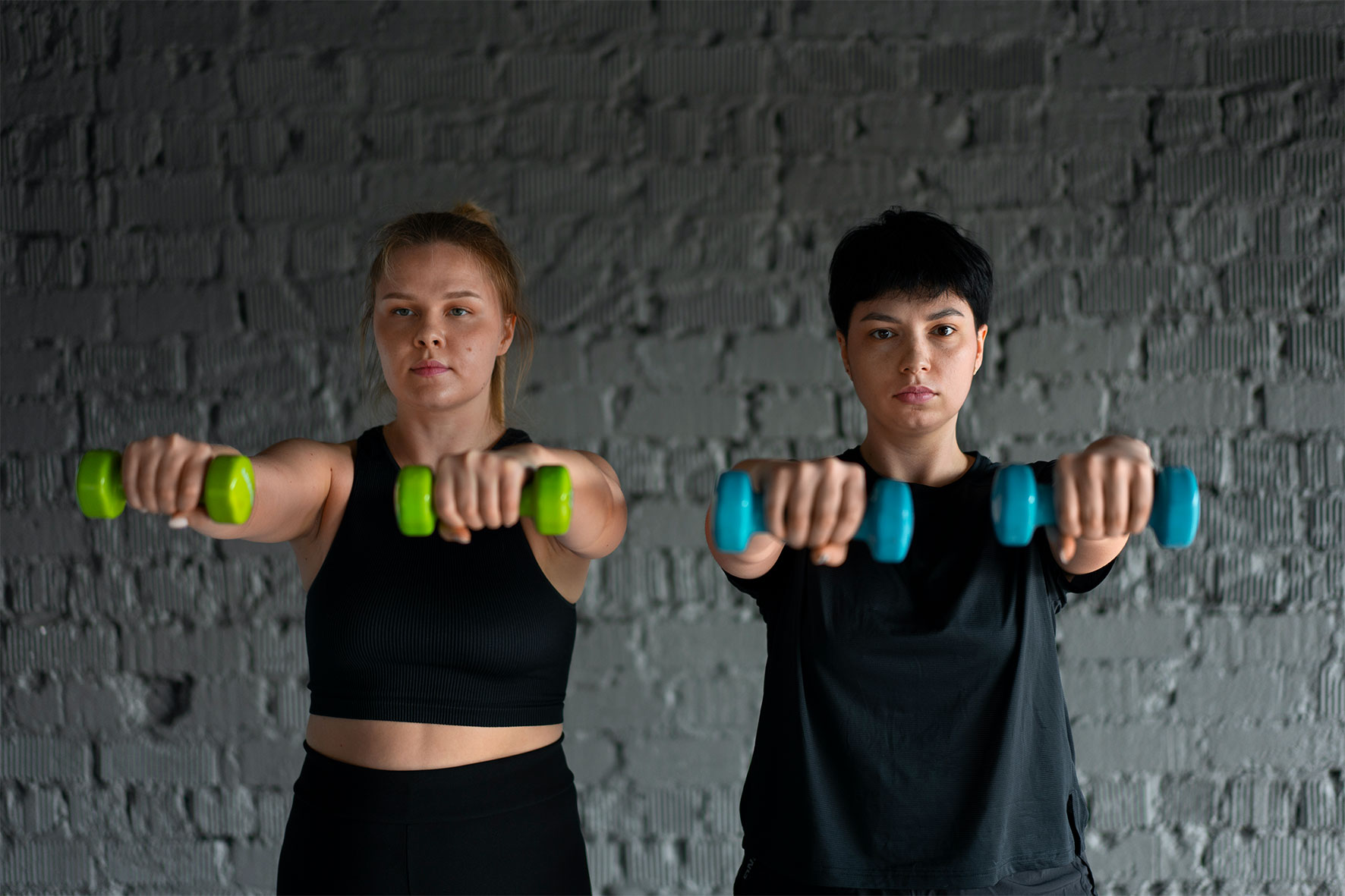
Much confusion surrounds the image of “strength training.” When parents hear the term, they often envision crowded gyms, heavy barbells, and adults pushing their physical limits. This is emphatically not what youth strength training should entail.
A proper program for young athletes includes:
Movement First
Before adding any external resistance, children must learn to move their own bodies effectively. This includes fundamental actions such as squatting, hinging, pushing, pulling, landing, and safely decelerating. Good, efficient movement is the bedrock of all subsequent physical development.
Technique Over Weight
The unwavering focus is always on performing exercises correctly, not on lifting maximum weight. Perfect repetitions with impeccable form are far more valuable than heavy repetitions executed poorly.
Gradual Progression
Strength is not built overnight; it develops steadily over time. Programs should advance slowly and intentionally, always matching the athlete’s physical and mental development stage.
Individual Attention
Every athlete is unique. Their age, specific sport, injury history, and current growth stage all significantly influence how a program should be designed. This is never a one-size-fits-all process.
What Parents Are Right to Be Concerned About
Parents are justifiably cautious regarding their child’s training. Indeed, certain environments and approaches are entirely inappropriate for young athletes.
Red flags should include:
- Lack of supervision or qualified coaching,
- An undue focus on “maxing out” or lifting heavy weights too soon,
- Ignored or uncorrected poor technique,
- Programs that treat children as miniature adults.
These are the scenarios where injuries occur. The solution is not to avoid strength training but to ensure it is conducted correctly and in the proper environment.
How STL Physical Therapy Approaches Youth Strength Training
At STL Physical Therapy, strength training extends beyond merely building muscle. It is about developing better athletes, from the ground up.
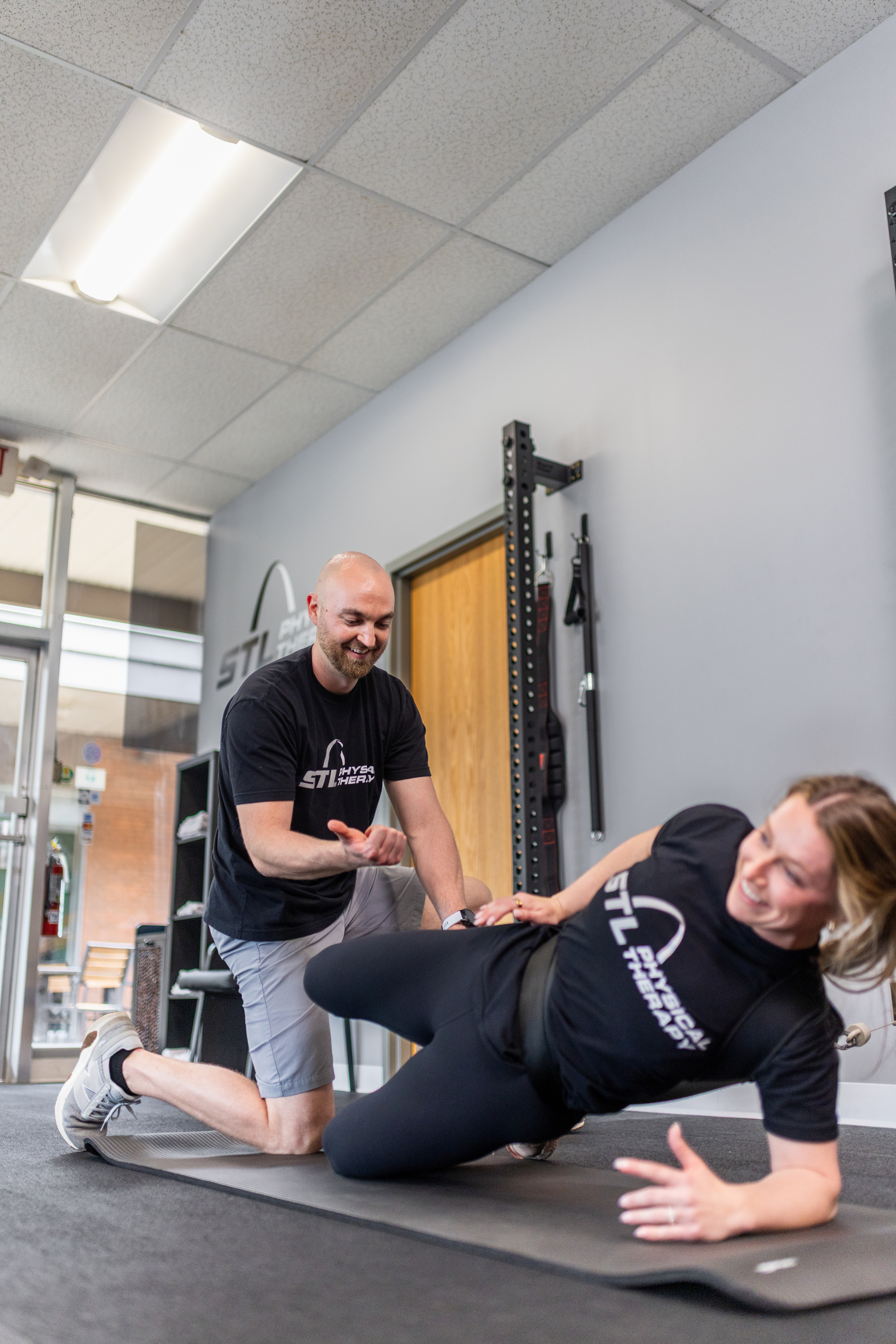
Every new youth athlete begins with a thorough evaluation. This allows us to gain a deep understanding of their movement patterns, current physical capabilities, and specific needs for optimal development.
From this assessment, we create a customized plan focusing on:
- Improving movement quality
- Safe and effective strength development
- Critical injury prevention strategies
- Addressing sport-specific demands
Our dedicated team offers a unique blend of clinical physical therapy expertise, real-world coaching experience, and a profound understanding of athletic performance.
This is not a typical gym setting. It is a structured, intentional, and science-backed approach designed to help young athletes move better, stay healthy, and achieve higher performance in their sport and life. To learn more about our team, please visit our Meet the Team page.
What a Strong Young Athlete Looks Like Over Time
While immediate performance is important, the larger, long-term picture holds even greater significance.
A young athlete who begins strength training early, with appropriate guidance and supervision, typically:
- Exhibits more efficient movement
- Enjoys greater health through high school sports
- Recovers more effectively from training and competition
- Develops deep confidence in their physical abilities
- Establishes a robust foundation for collegiate sports or lifelong physical activity
At 16, they appear notably more prepared and resilient. At 18, they seem considerably more durable and capable. By 22, they are often still moving well and performing strongly, while many peers contend with chronic injuries and physical limitations. That is the true, enduring value of youth strength training.
FAQ: Strength Training for Youth Athletes
1. Is strength training safe for kids?
Yes. When properly supervised by qualified professionals and focused on correct technique, strength training is very safe for kids with a remarkably low injury rate.
2. Will lifting weights stunt my child’s growth?
No. There is no scientific evidence that strength training negatively impacts a child’s growth or growth plates when performed correctly and appropriately.
3. At what age should my child start strength training?
Children can safely begin structured strength training as early as 7 or 8 years old, when they can follow instructions and are supervised by a qualified professional.
4. Should my child lift heavy weights?
Not initially. The focus should always be on mastering fundamental movements, perfecting technique, and ensuring gradual progression. Heavy loads are introduced only over time, based on individual readiness.
5. Is strength training better than just playing sports?
They are complementary. Playing sports builds specific skills and game awareness, while strength training builds the crucial physical foundation that supports better performance and significantly reduces injury risk.
6. Does my child need a personal program?
In most cases, yes, an individualized program is highly beneficial. Every young athlete is unique, with specific physical needs, sport demands, and goals. A personalized program addresses these factors most effectively.
Ready to Help Your Athlete Build a Strong Foundation?
If you are committed to helping your child stay healthy, perform optimally, and build a resilient future, strength training is not a discipline to delay. It is an opportunity to embrace and execute correctly, with expert guidance.
At STL Physical Therapy, we specialize in empowering youth athletes to build foundational strength, move better, prevent injuries, and achieve higher performance in their sport and life. We recommend beginning with a comprehensive evaluation. This assessment allows us to understand your athlete’s exact needs and create a tailored plan that truly supports their growth and development.
Explore our services or schedule an evaluation today to set your young athlete on the path to lasting strength and success.