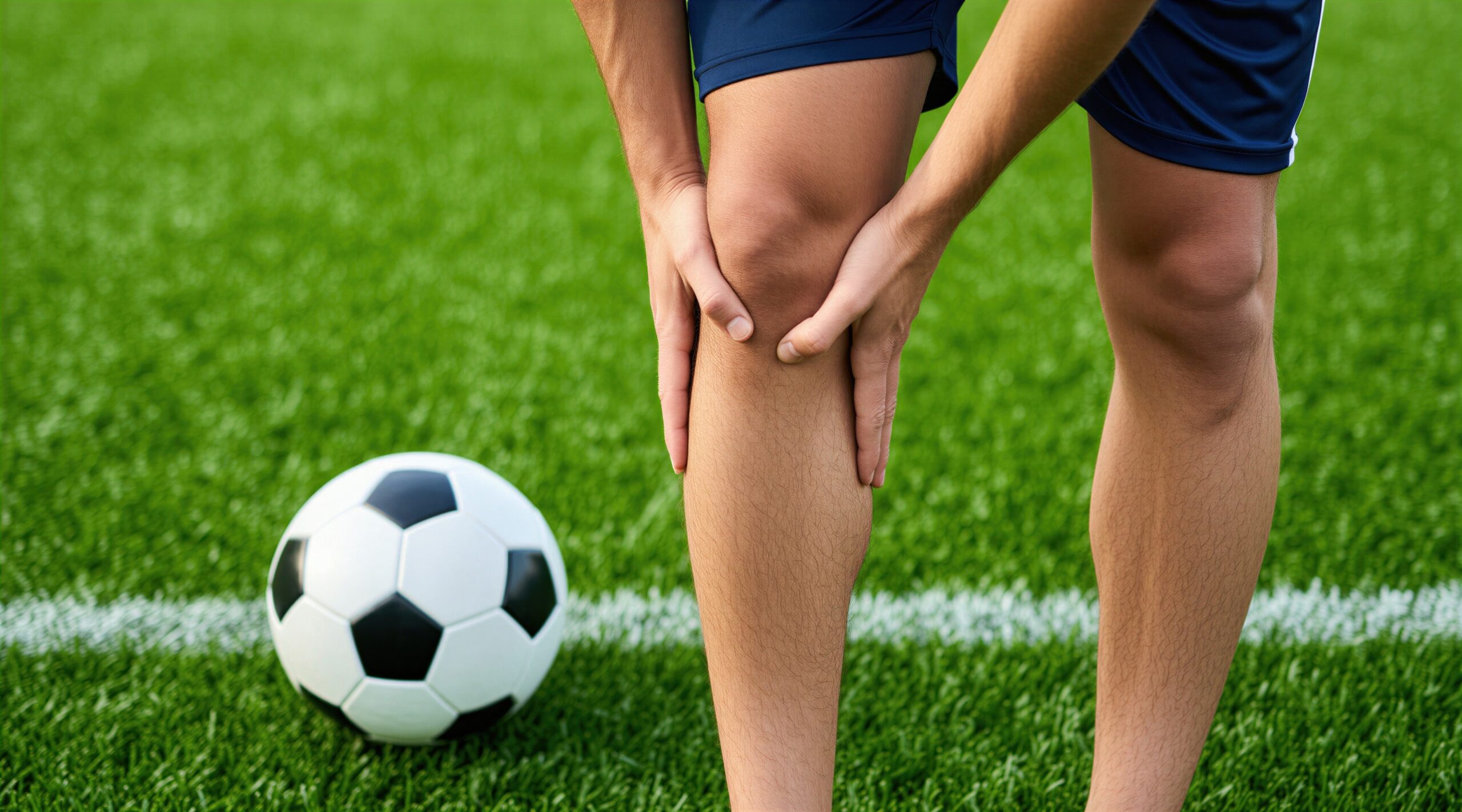
Fall soccer in St. Louis means practices, weekend tournaments, quick cuts, hard stops, and plenty of time on the field. It also means athletes are putting repeated demands on their knees throughout the season. Soccer ACL injury prevention cannot eliminate every injury, but building strength, control, and better movement habits can help athletes prepare their bodies for the demands of the game.
The anterior cruciate ligament, or ACL, plays an important role in keeping the knee stable. Soccer places this ligament under stress during many of the movements players perform every practice and game, including sprinting, cutting, changing direction, jumping, and landing.
For soccer players, the goal should not be to play cautiously or worry about every movement. It should be to build a body that is prepared to handle those movements confidently.
Why Are ACL Injuries Common in Soccer?
An ACL injury does not always happen because another player crashes into the knee. Many ACL injuries occur during movements athletes perform on their own, such as quickly changing direction, stopping suddenly, or landing awkwardly after a jump.
According to the American Academy of Orthopaedic Surgeons, ACL injuries can occur during sudden stops, rapid changes of direction, incorrect landings, and direct collisions.
Think about how often those situations happen during a soccer game.
A midfielder plants one foot and cuts to get around a defender. A forward decelerates quickly after chasing a through ball. A goalkeeper lands after challenging for a cross. A defender turns and accelerates in the opposite direction.
The knee has to manage force quickly in each of these situations. Strength matters, but so do balance, coordination, body control, and the athlete’s ability to absorb and redirect force.
That is why effective soccer ACL injury prevention should involve more than simply strengthening the knee.
What Can Soccer Players Do to Reduce ACL Injury Risk?
There is no exercise that can guarantee an athlete will never tear an ACL. What athletes can do is train the physical qualities that help them handle the demands of soccer more effectively.
Programs that incorporate strength, balance, landing mechanics, agility, and movement control have been associated with lower overall injury rates when performed consistently.
A well-rounded prevention program should focus on several areas.
Build Lower-Body Strength
Strong muscles help the body absorb and control force.
For soccer players, training should address the major muscle groups around the hips, thighs, and lower legs. That means looking beyond the quadriceps and building strength throughout the entire lower body.
Depending on the athlete’s age, training history, and current ability, exercises may include:
- Squats and split squats
- Lunges
- Step-ups
- Single-leg squats
- Romanian deadlifts
- Hamstring strengthening exercises
- Calf raises
- Hip strengthening exercises
The goal is not simply to lift more weight. Good strength training teaches athletes to produce and control force while maintaining strong positions.
Practice Single-Leg Control
Soccer is largely a single-leg sport.
Running, kicking, cutting, and changing direction frequently leave an athlete balancing or producing force through one leg. That makes single-leg strength and stability an important part of soccer ACL injury prevention.
Exercises such as single-leg squats, step-downs, single-leg deadlifts, and controlled balance drills can help athletes develop better control.
The key is how the movement looks and feels. Can the athlete maintain control of the hip, knee, and foot? Can they keep that control as the exercise becomes faster or more demanding?
Those details matter when training begins to look more like the unpredictable environment of a soccer field.
Train Landing Mechanics
Jumping is only half of the movement. Athletes also have to land.
Landing drills can teach players how to absorb force through the hips, knees, and ankles rather than landing stiffly or losing control as they hit the ground.
Training may begin with simple two-leg jumps and landings before progressing to single-leg landings, lateral movements, and more reactive drills.
The goal is not to create one “perfect” landing position. It is to help the athlete develop enough strength and control to manage different positions safely and efficiently.
Work on Deceleration and Change of Direction
Soccer players spend a lot of time training acceleration and speed. Being able to slow down is just as important.
Deceleration requires the body to absorb significant force in a short amount of time. If an athlete cannot control that force well, changing direction becomes more difficult.
Training can gradually progress from planned stops and cuts to faster, more reactive drills that better reflect what happens during a game.
A player may know exactly when to cut during a drill. During a match, they are reacting to the ball, an opponent, a teammate, and open space at the same time.
Good training eventually needs to prepare them for that difference.
A Good Warm-Up Can Be Part of Soccer ACL Injury Prevention
A warm-up should do more than make athletes feel loose before practice.
Structured soccer warm-up programs can include running drills, strength exercises, balance work, jumping, landing, and change-of-direction movements. Research on the FIFA 11+ program has found that this type of structured warm-up can help reduce ACL injury risk in competitive soccer players.
The important word is consistently.
Doing a few prevention exercises once before the season is unlikely to create meaningful change. Strength, coordination, and movement control develop through repetition.
For coaches and athletes, that means injury prevention does not necessarily need to become a separate hour-long workout. Some of this training can become part of regular warm-ups, strength sessions, and practice preparation throughout the season.
Warning Signs Soccer Players Should Not Ignore
Not every sore knee means there is an ACL injury. Soccer is physically demanding, and some soreness after practices or games can happen.
Certain symptoms after a knee injury, however, deserve more attention.
Possible signs of an ACL injury can include:
- Hearing or feeling a pop in the knee
- Rapid swelling
- Difficulty putting weight on the injured leg
- Loss of knee motion
- A feeling that the knee is unstable
- The knee giving way or shifting during movement
If an athlete experiences these symptoms after twisting, landing, cutting, or colliding with another player, trying to “walk it off” and return to the game may not be the best choice.
An evaluation can help determine what happened and what the athlete needs next.
When Should a Soccer Player Get Evaluated?
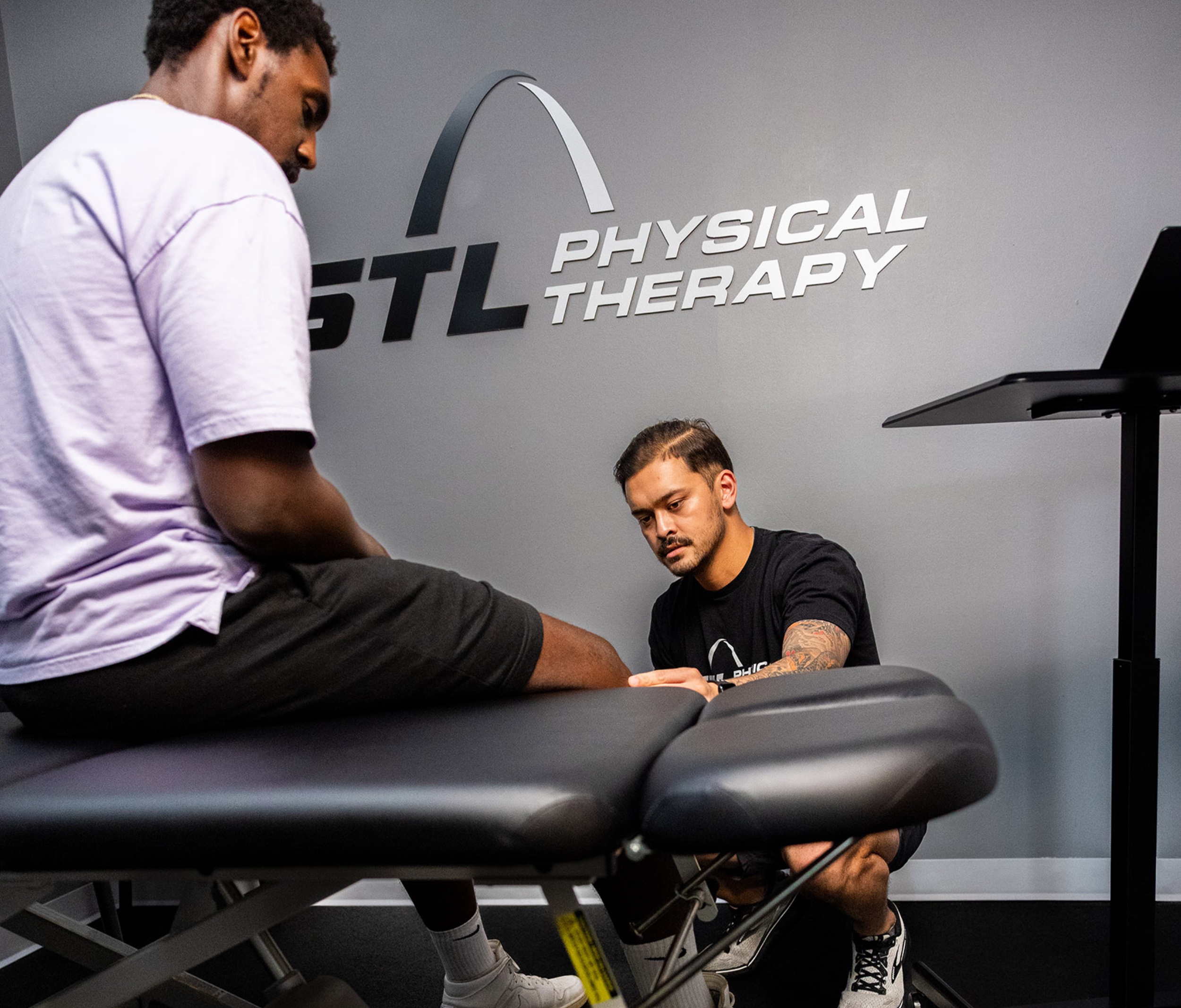
You do not have to wait for a major injury to benefit from an evaluation.
If knee pain is changing the way an athlete runs, cuts, lands, or plays, it is worth paying attention. The same is true when discomfort keeps returning after practices or games, an athlete feels unstable on one leg, or they no longer trust the knee during soccer movements.
An evaluation can also be useful for healthy athletes who want to identify areas they can improve before they become a problem.
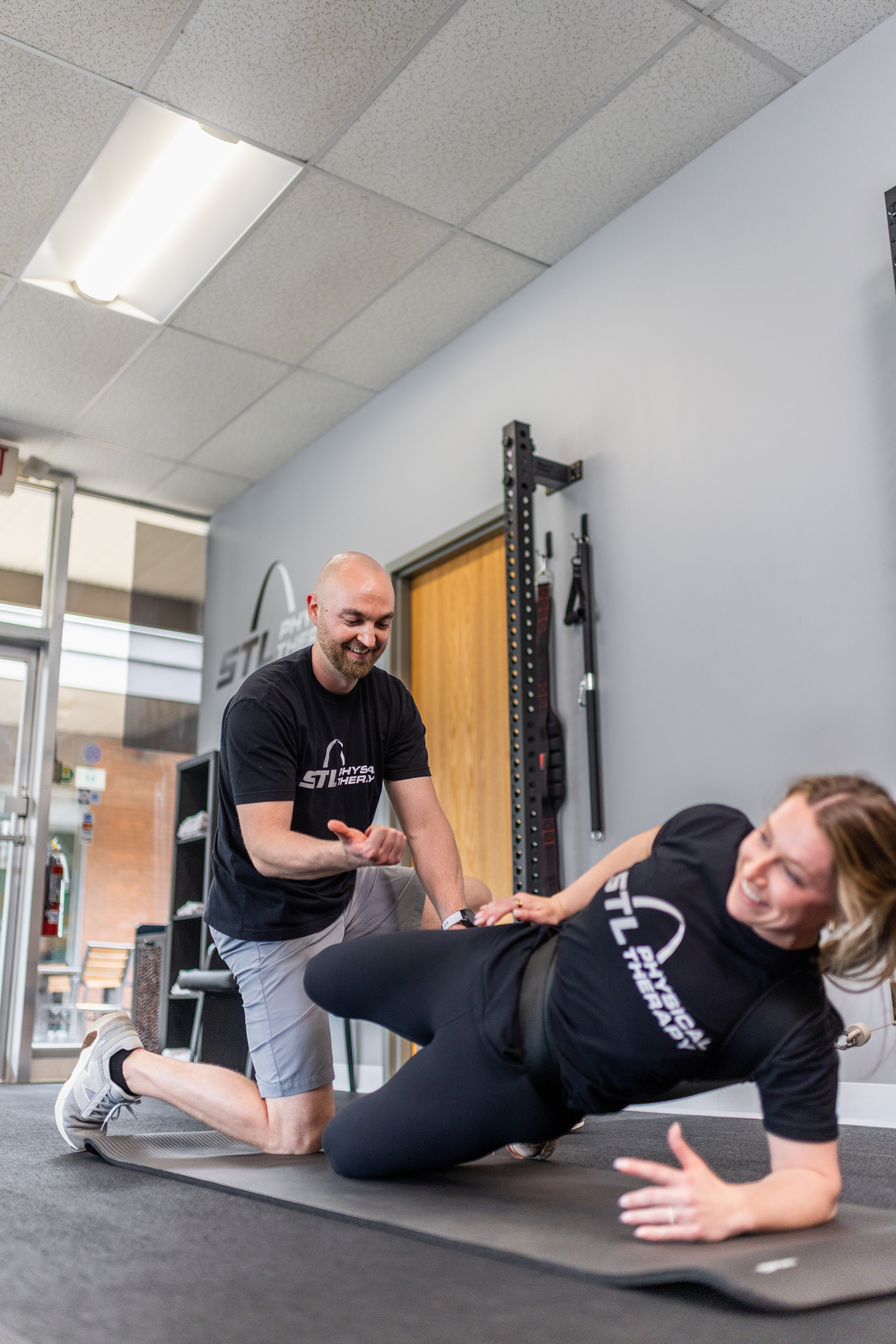
At STL Physical Therapy, the goal is to look at the athlete as a whole. That may include strength, mobility, balance, jumping and landing mechanics, change-of-direction ability, and other sport-specific movements.
From there, training can focus on what that particular athlete needs rather than giving every soccer player the same generic injury prevention program.
ACL Prevention Should Continue Throughout the Soccer Season
It is easy to focus on injury prevention during preseason and forget about it once games begin.
But fall soccer brings its own challenges. Practices, games, tournaments, school schedules, and other activities can add up quickly. As fatigue builds, maintaining strength and movement quality becomes even more important.
In-season training does not have to look exactly like offseason training. The volume may change depending on the athlete’s schedule, but maintaining strength and movement work can help keep the body prepared throughout the season.
Athletes should also pay attention to changes.
- Is the athlete unusually sore after every practice?
- Has knee discomfort started lingering between games?
- Are they moving differently late in matches?
- Has confidence in cutting or landing changed?
Catching those changes early gives athletes an opportunity to address them instead of waiting until the problem becomes harder to ignore.
Keep Your Soccer Season Moving Forward
Soccer is supposed to be played with speed, confidence, and commitment. Athletes should be thinking about the next pass or the run they are about to make, not worrying every time they plant their foot.
A thoughtful approach to soccer ACL injury prevention can help athletes build strength, improve movement control, and prepare for the cutting, landing, sprinting, and deceleration demands they face on the field.
For athletes who want more support with ACL injury prevention and rehab in St. Louis, our team can help build a plan around the demands of your sport.
If you are dealing with knee pain, returning from an injury, or want to identify potential movement and strength limitations before they interfere with the season, STL Physical Therapy can help.
Schedule an evaluation with STL Physical Therapy and build a soccer ACL injury prevention plan designed around the athlete, the sport, and the demands of the season.