Whether you compete in football, baseball, tennis, golf, running, CrossFit, or simply enjoy staying active, recovery plays an important role in helping you perform at your best. Sore muscles, tightness, and lingering discomfort can affect how you move, train, and compete.
Dry needling for athletes is one treatment that many active individuals use to help reduce muscle tension, improve movement, and recover more efficiently between practices, workouts, and competitions. While recovery often focuses on rest, stretching, and strength training, dry needling can become another valuable tool when incorporated into a comprehensive rehabilitation and performance program.
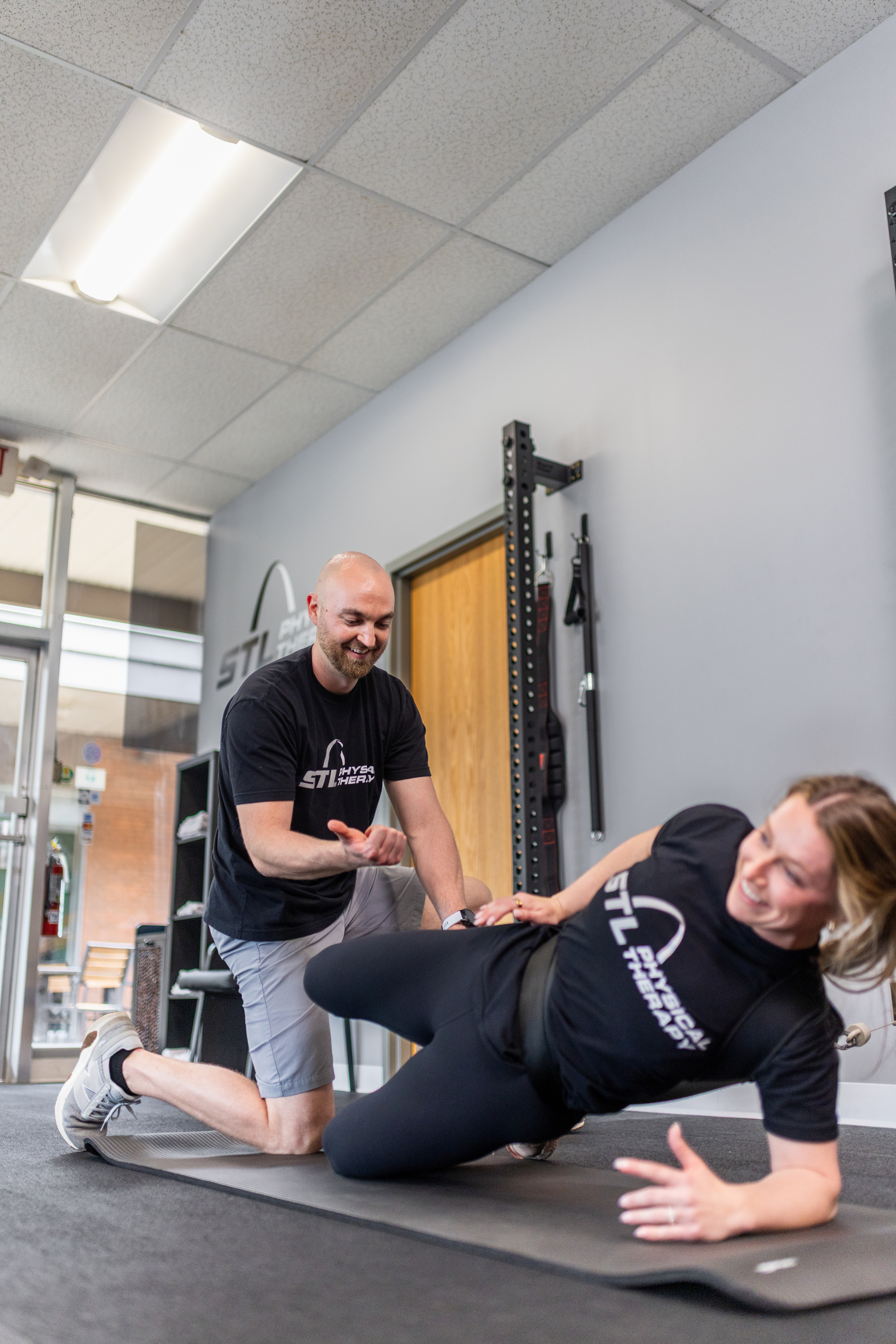
At STL Physical Therapy, dry needling is always combined with movement-based treatment, individualized exercise, and hands-on care to help people return to the activities they enjoy with greater confidence.
What Is Dry Needling?
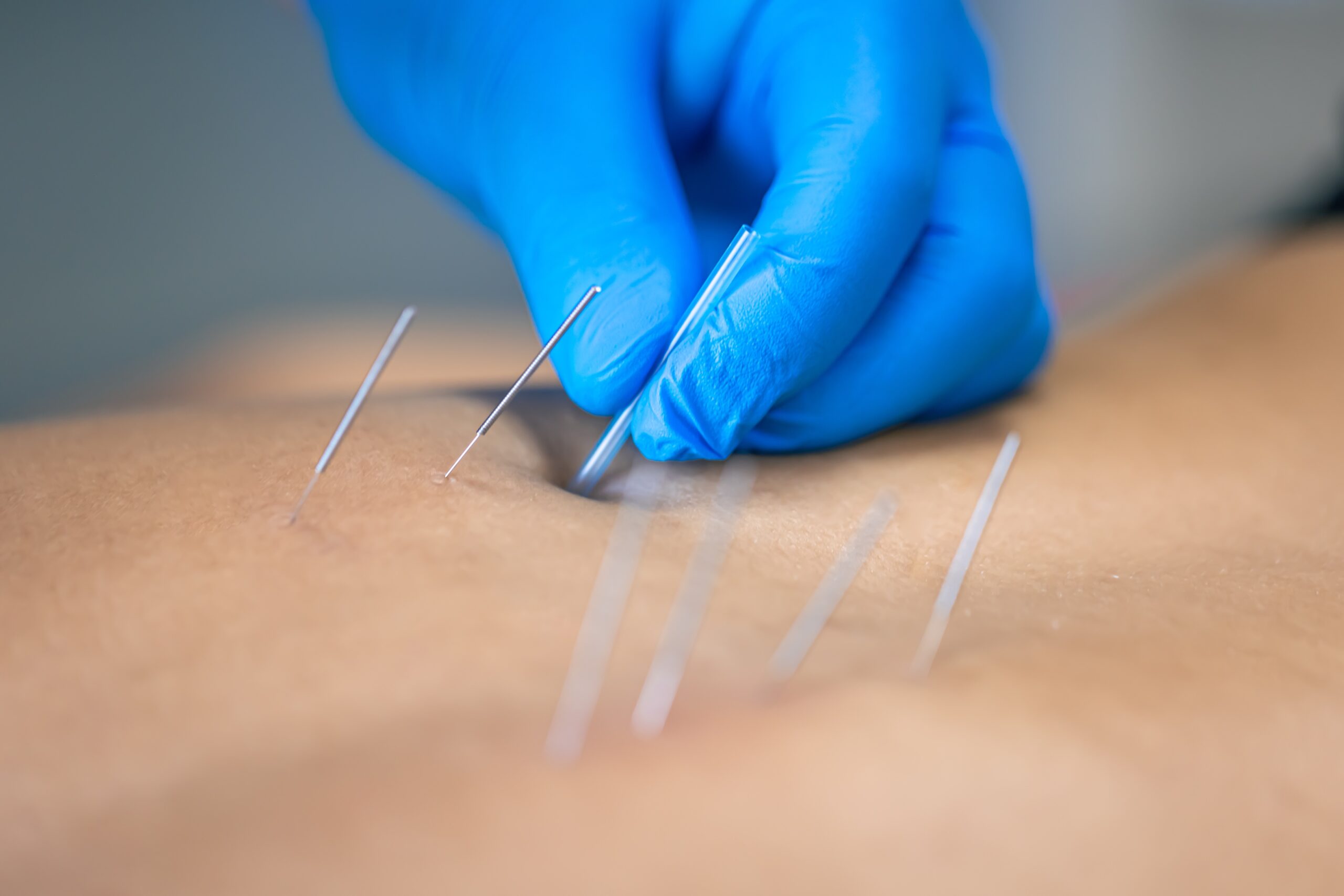
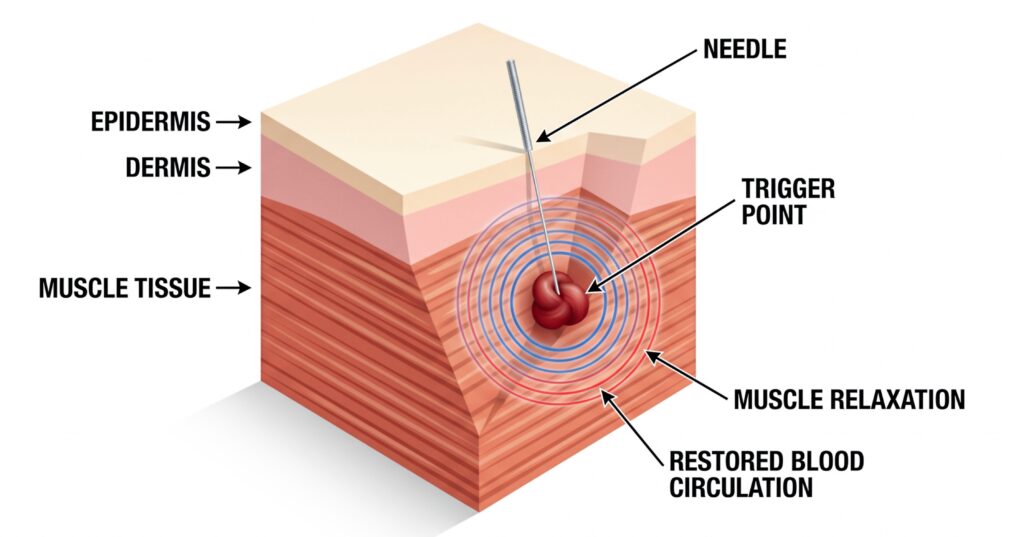
Dry needling is a treatment performed by specially trained physical therapists using thin, sterile needles that are inserted into specific muscles known as trigger points. These tight bands of muscle tissue can develop after repetitive movement, overuse, injury, or prolonged muscle tension.
Unlike injections, dry needling does not introduce medication into the body. Instead, the goal is to stimulate the muscle and nervous system to help reduce tension, improve circulation, and restore more normal muscle function.
Many athletes describe the treatment as producing a brief muscle twitch followed by a feeling of relaxation or reduced tightness.
Why Athletes Develop Muscle Tightness
Athletic performance places repeated stress on muscles, tendons, and joints. Even when training is well planned, repetitive movements can create areas of muscle stiffness that limit mobility and efficiency.
Athletes commonly experience tight muscles because of:
- Repetitive training
- High practice volume
- Strength training
- Competition schedules
- Previous injuries
- Limited recovery between workouts
- Muscle imbalances
For example:
- Football players may develop tight hips, hamstrings, calves, or shoulders from repeated sprinting, cutting, and contact.
- Baseball players often experience shoulder and forearm tightness from repetitive throwing. Working with a therapist who understands throwing mechanics through Baseball Physical Therapy can help address these movement demands
- Golfers frequently develop stiffness through the upper back, hips, and trunk from rotational movements. Our Golf Physical Therapy programs focus on improving mobility and movement efficiency throughout the golf swing.
- Tennis players may notice muscle tension in the shoulder, forearm, and lower body after long matches. Specialized Tennis Physical Therapy can help address these repetitive movement demands while supporting healthy performance.
- Runners commonly experience tight calves, quadriceps, hamstrings, and hip muscles after higher mileage weeks.
When these movement restrictions are left unaddressed, the body often compensates by changing movement patterns, which can increase stress on other areas.
How Dry Needling for Athletes Supports Recovery
One reason dry needling for athletes has become increasingly popular is because it targets muscles that may not fully respond to stretching or massage alone.
The treatment may help:
- Reduce muscle tension
- Improve blood flow to the treated area
- Restore normal muscle activation
- Improve joint mobility
- Decrease discomfort during movement
- Improve flexibility
- Support more efficient movement patterns
For many athletes, these improvements make it easier to participate in rehabilitation exercises, mobility work, and strength training that address the underlying cause of the problem.
Dry needling is not intended to replace exercise. Instead, it often helps prepare the body to move better during the rest of the rehabilitation process.
Can Dry Needling Improve Athletic Performance?
Many athletes ask whether dry needling works to improve recovery and performance.
The treatment itself is not a performance enhancement technique. Instead, its value comes from helping restore normal movement and reducing limitations that may interfere with performance.
When muscles move more efficiently, athletes may find it easier to:
- Sprint
- Change direction
- Throw
- Swing
- Jump
- Lift weights
- Maintain proper mechanics throughout competition
For example, a football player with limited hip mobility may struggle to accelerate effectively. A baseball pitcher with shoulder tightness may notice reduced throwing efficiency. A golfer with restricted trunk rotation may have difficulty producing a smooth swing.
By improving movement quality, athletes can often perform rehabilitation exercises more effectively and return to training with fewer movement restrictions.
Dry Needling Is Most Effective as Part of a Complete Treatment Plan
Although dry needling can provide meaningful short-term relief, lasting improvements typically come from combining it with other physical therapy treatments.
At STL Physical Therapy, dry needling for athletes is often incorporated alongside:
- Movement assessments
- Manual therapy
- Strength training
- Mobility exercises
- Neuromuscular reeducation
- Sport-specific rehabilitation
- Injury prevention strategies
This comprehensive approach helps identify why the muscles became overloaded in the first place rather than simply treating the symptoms.
What Does Dry Needling Feel Like?
Many people are surprised that the needles used during dry needling are much thinner than those used for injections or blood draws.
During treatment, you may feel:
- A small pinch as the needle is inserted
- A brief muscle twitch
- Mild muscle soreness afterward
- A feeling of muscle relaxation
Some athletes notice immediate improvements in mobility, while others experience gradual changes over the following day or two.
Your physical therapist will determine whether dry needling is appropriate based on your symptoms, medical history, and movement evaluation.
Is Dry Needling Safe?
When performed by a licensed physical therapist with specialized training, dry needling is considered a safe treatment for many musculoskeletal conditions.
Physical therapists follow strict safety procedures, including the use of sterile, single-use needles and careful evaluation before treatment begins.
Like any treatment, dry needling may not be appropriate for everyone. Your therapist will discuss potential risks, answer your questions, and determine whether it fits your individual plan of care.
Who Can Benefit From Dry Needling?
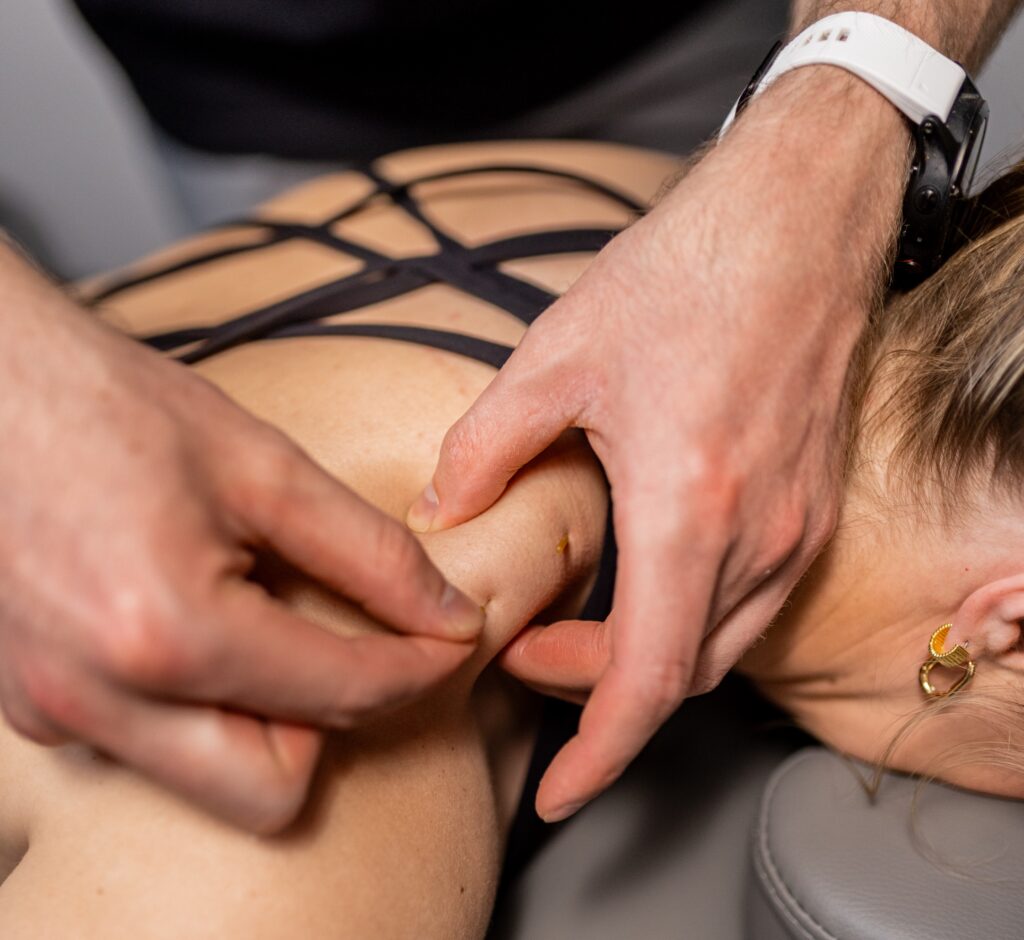
Dry needling for athletes may be appropriate for individuals participating in many different sports and activity levels.
It is commonly used for people experiencing:
- Muscle tightness
- Sports-related overuse injuries
- Shoulder pain
- Hip pain
- Knee pain
- Calf tightness
- Hamstring strains
- Neck pain
- Back pain
- Limited mobility affecting athletic performance
Whether you play competitive football, baseball, tennis, golf, pickleball, or simply enjoy staying active, improving movement quality is often one of the keys to both recovery and injury prevention.
Why Movement Assessment Matters
Muscle tightness is rarely the entire problem.
Often, tight muscles develop because another part of the body is not moving or functioning efficiently. Weakness, poor stability, limited mobility, previous injuries, or movement compensation patterns can all contribute.
This is why a thorough physical therapy evaluation focuses on the entire movement system rather than only the painful area.
By identifying these underlying factors, treatment can be directed toward improving long-term movement quality instead of providing only temporary relief.
Recover Better and Keep Moving
Recovery is about more than simply waiting for soreness to disappear. Addressing muscle tension, improving movement quality, and restoring efficient mechanics can help athletes continue training with greater confidence.
If lingering tightness or movement restrictions are affecting your performance, dry needling for athletes may be one component of a personalized physical therapy program designed to help you recover more efficiently.
Ready to Move Better?
At STL Physical Therapy, we combine dry needling for athletes with personalized rehabilitation, strength training, and movement analysis to help active individuals recover, perform, and stay healthy throughout every season. Contact our team today to schedule an evaluation and learn whether dry needling is the right fit for your recovery goals.