Baseball places unique demands on the body, especially for pitchers. Every throw requires the shoulder, elbow, and upper back to work together at extremely high speeds. Over the course of a season, those repetitive stresses can add up, leading to soreness, reduced performance, and an increased risk of injury.
For many athletes, shoulder pain does not appear overnight. It often develops gradually as mobility, strength, and movement quality begin to change throughout the season. This is where physical therapy for baseball can play an important role. By identifying movement restrictions early and addressing the underlying causes of pain, pitchers can often stay healthier and continue performing at a high level.
Why Pitchers Are Prone to Shoulder Injuries
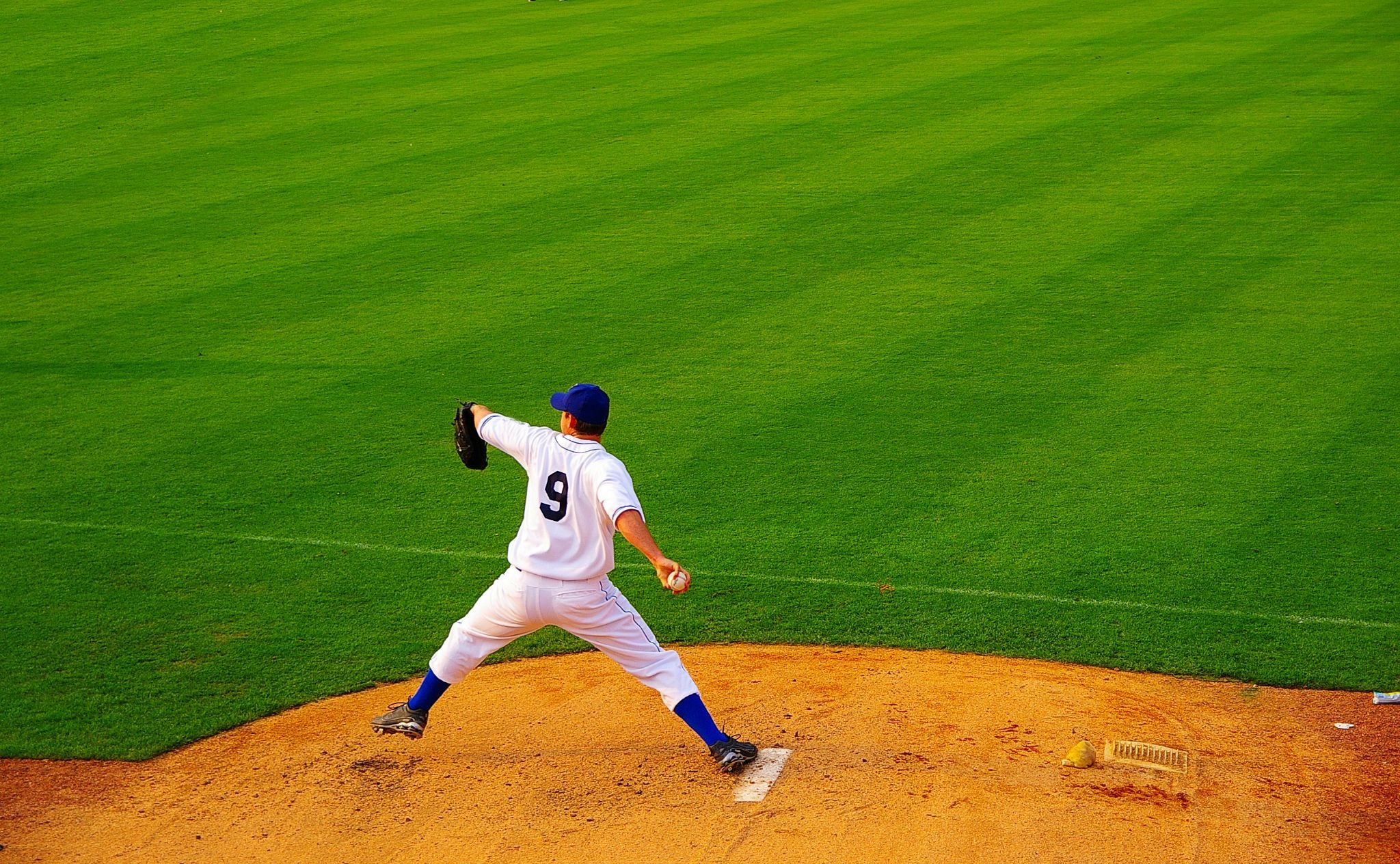
Pitching is one of the most demanding movements in sports. During a single pitch, the shoulder moves through extreme ranges of motion while generating tremendous rotational velocity.
Research has shown that pitchers may externally rotate the shoulder to nearly 180 degrees during the throwing motion before rapidly accelerating the arm toward ball release. The shoulder then transitions from this position at remarkable speeds before the muscles of the arm must immediately decelerate the throw after every pitch. Repeating this process dozens of times during a game and hundreds or even thousands of times throughout a season places tremendous stress on the muscles, tendons, and joint structures of the throwing arm.
Common baseball shoulder injuries include:
- Rotator cuff strains
- Little League Shoulder
- Shoulder impingement
- Labral injuries
- Biceps tendon irritation
- Internal impingement
- Overuse-related shoulder pain
Many of these conditions are considered overuse injuries that develop gradually from the repetitive demands of throwing throughout a season.
While these injuries may have different diagnoses, they often share similar contributing factors, including mobility restrictions, muscle imbalances, poor scapular control, and excessive workload.
How Range of Motion Changes During the Season
One of the most important factors in pitcher shoulder health is maintaining appropriate range of motion.
Research has shown that pitchers can experience measurable losses in mobility after throwing sessions. In one study, pitchers demonstrated an average loss of nearly 10 degrees of shoulder internal rotation following a pitching outing, and some of those changes remained present 24 hours later. When these mobility restrictions accumulate throughout the season, they may affect throwing mechanics, recovery, and overall shoulder health.
This does not mean every pitcher should have the same mobility as their peers or even perfect symmetry between each of their own shoulders. In fact, many pitchers develop sport-specific adaptations over years of throwing. These changes are not always a problem. Some can actually support performance on the mound. The goal is not to make a pitcher move like someone who has never thrown a baseball. The goal is to understand what is normal for that athlete and identify changes that may increase injury risk or impact performance. That is why taking an individualized approach is so important to the evaluation process in baseball players.
Because every athlete responds differently to throwing demands, assessing range of motion throughout the season can help identify changes before they become larger issues. Small losses in mobility may not seem significant at first, but over time they can influence movement patterns and increase stress on the shoulder and elbow.
The Role of the Scapula in Throwing Performance
The shoulder does not work alone.
The scapula, commonly known as the shoulder blade, serves as the foundation for shoulder movement. Before the arm can move efficiently, the shoulder blade must provide a stable base for force production and movement. Small changes in scapular positioning or movement can influence how forces are transferred throughout the throwing motion.
For pitchers, proper scapular function helps:
- Create a stable base for force production
- Improve arm positioning during the throwing motion
- Support healthy shoulder mechanics
- Reduce unnecessary stress on the rotator cuff and labrum
When scapular control is limited, athletes may experience shoulder discomfort, reduced velocity, fatigue, or changes in throwing mechanics.
Many cases of shoulder pain are not solely a shoulder problem. They are often influenced by how the shoulder blade, upper back, and surrounding muscles work together. This is one reason why scapular assessment and sports-specific therapy are important components of pitcher shoulder rehab.
Signs a Pitcher May Need Shoulder Rehab
Some warning signs should not be ignored.
A pitcher may benefit from pitcher-shoulder rehab if they experience:
- Shoulder pain during or after throwing
- Decreased throwing velocity
- Reduced command or accuracy
- Persistent soreness between outings
- Difficulty recovering after games
- A feeling of stiffness or tightness in the shoulder
- Changes in throwing mechanics
Addressing these issues early is often easier than waiting until they become more significant injuries.
How Physical Therapy for Baseball Can Help
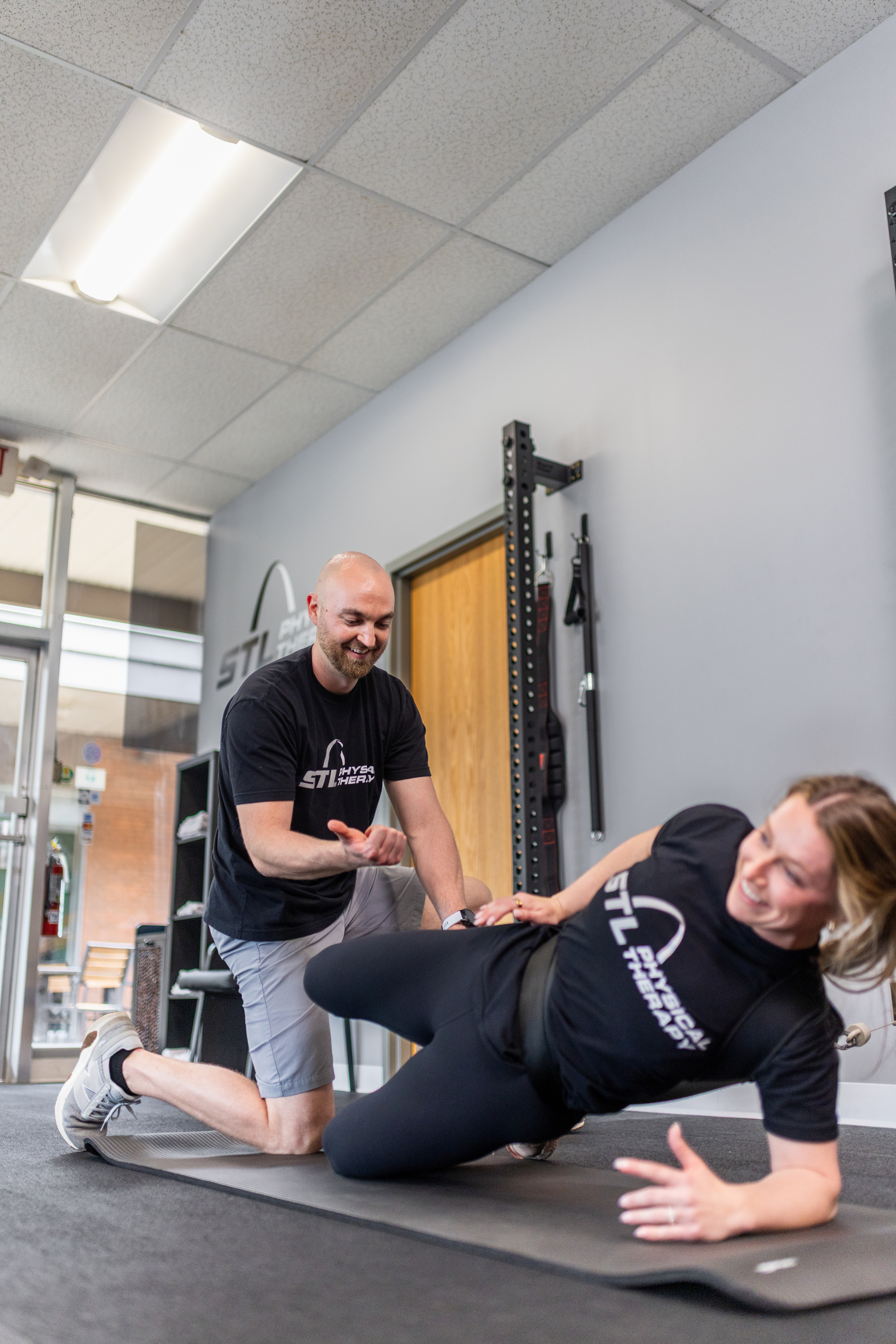
At STL Physical Therapy, the goal is not simply to reduce pain. We look at the entire throwing athlete.
A comprehensive evaluation may include:
- Shoulder mobility assessment
- Scapular positioning and movement analysis
- Rotator cuff strength testing
- Upper back mobility assessment
- Hip Mobility Assessment
- Throwing-related movement evaluation
- Recovery and workload considerations
This allows us to identify the factors contributing to pain, stiffness, or performance limitations.
Once these findings are identified, a personalized treatment plan can be developed to address the athlete’s specific needs.
Key Components of Pitcher Shoulder Rehab
Mobility Restoration
Pitchers often develop restrictions in the tissues surrounding the shoulder and upper arm throughout the season.
Treatment may include hands-on techniques, mobility exercises, and targeted stretching to help restore motion where it is needed while preserving beneficial throwing adaptations.
Scapular Strength and Control
The muscles that control the shoulder blade play a critical role in shoulder health.
Exercises designed to improve scapular stability and movement can help create a stronger foundation for the throwing motion while improving overall shoulder function.
Rotator Cuff Strengthening
The rotator cuff is heavily involved in controlling and decelerating the arm during pitching.
Strengthening these muscles can improve shoulder resilience and help athletes tolerate the demands of throwing.
Recovery Strategies
Recovery matters just as much as training.
For pitchers, recovery is not only about feeling better. It is about maintaining the mobility, tissue quality, and shoulder function needed for the next outing.
Many baseball players use physical therapy to reduce soreness, improve recovery between outings, and address mobility restrictions before they affect performance. Treatment may include manual therapy, mobility work, strengthening exercises, and individualized recovery strategies designed around the athlete’s workload and goals.
Return-to-Throwing Progressions
For athletes returning from injury, simply resting until the pain goes away is not enough.
A structured return-to-throwing program helps gradually reintroduce throwing volume and intensity while monitoring symptoms and movement quality throughout the process.
Injury Prevention Is Just as Important as Injury Recovery
Many baseball players think physical therapy is only necessary after an injury occurs.
In reality, some of the biggest benefits come from identifying limitations before they become problems.
Regular assessments can help monitor mobility, scapular function, strength, and recovery throughout the season. Small issues can often be addressed before they impact performance or lead to missed playing time.
For pitchers, staying ahead of these changes can be one of the most effective ways to remain healthy during a long season.
Stay on the Mound Longer
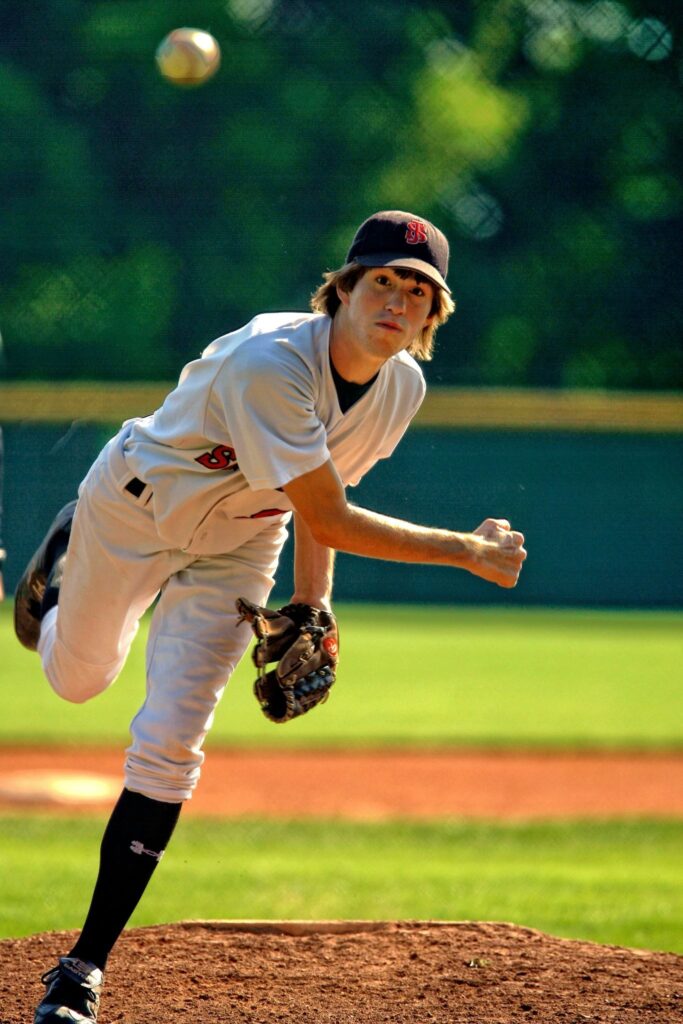
Shoulder pain does not have to be accepted as part of playing baseball.
Whether you are dealing with discomfort, recovering from an injury, or looking for ways to improve performance and stay healthy throughout the season, physical therapy for baseball can help identify the factors affecting your throwing arm and create a plan that fits your goals.
At STL Physical Therapy, we work with baseball players to improve mobility, restore strength, optimize movement, reduce soreness, recover faster between outings, and support long-term shoulder health so they can continue doing what they love most: competing on the field. Contact STL Physical Therapy to schedule an evaluation.