If you are still stepping onto the golf course after 50, you are already ahead of the game. Golf truly is one of those sports you can enjoy for a lifetime. But let us be honest, it does not always feel the same as it used to. Maybe your drives have lost a little distance. Stiffness might show up after a round. And recovery seems to take a bit longer than it did ten years ago.
Here is the good news. None of that means your best golf is behind you. Many golfers play better in their 50s and 60s than they did in their 30s. The secret often lies in something called golf fitness. At STL Physical Therapy, we do not just focus on getting you out of pain. Our goal is to help you move better, swing more efficiently, and stay on the course enjoying the game for years to come.
What Happens to Your Body After 50 That Affects Your Golf Game
Your body is incredibly capable of powerful and efficient movement, even after 50. However, there are some natural changes that can start to impact your swing and how you recover.
Reduced Hip Mobility
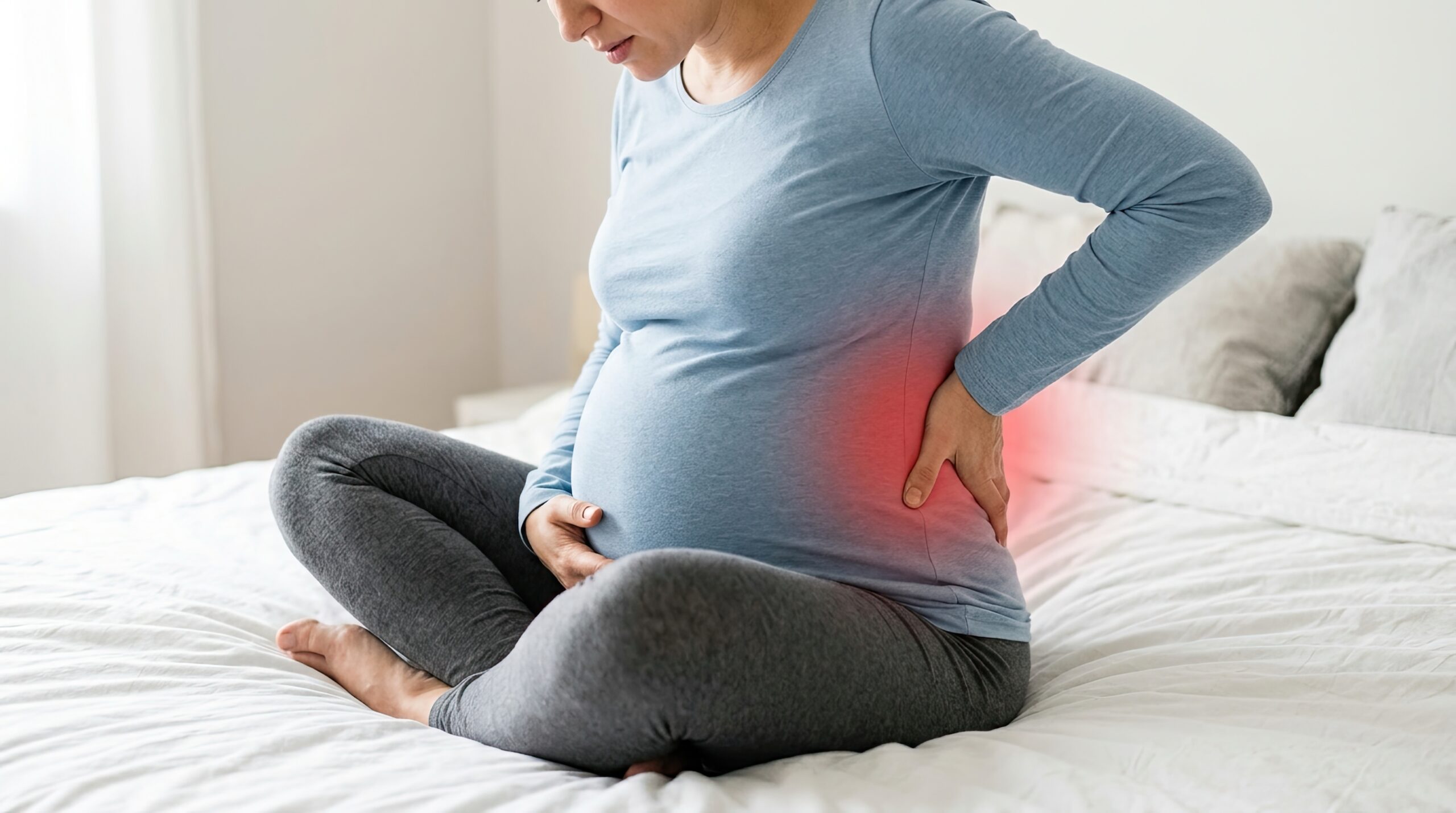
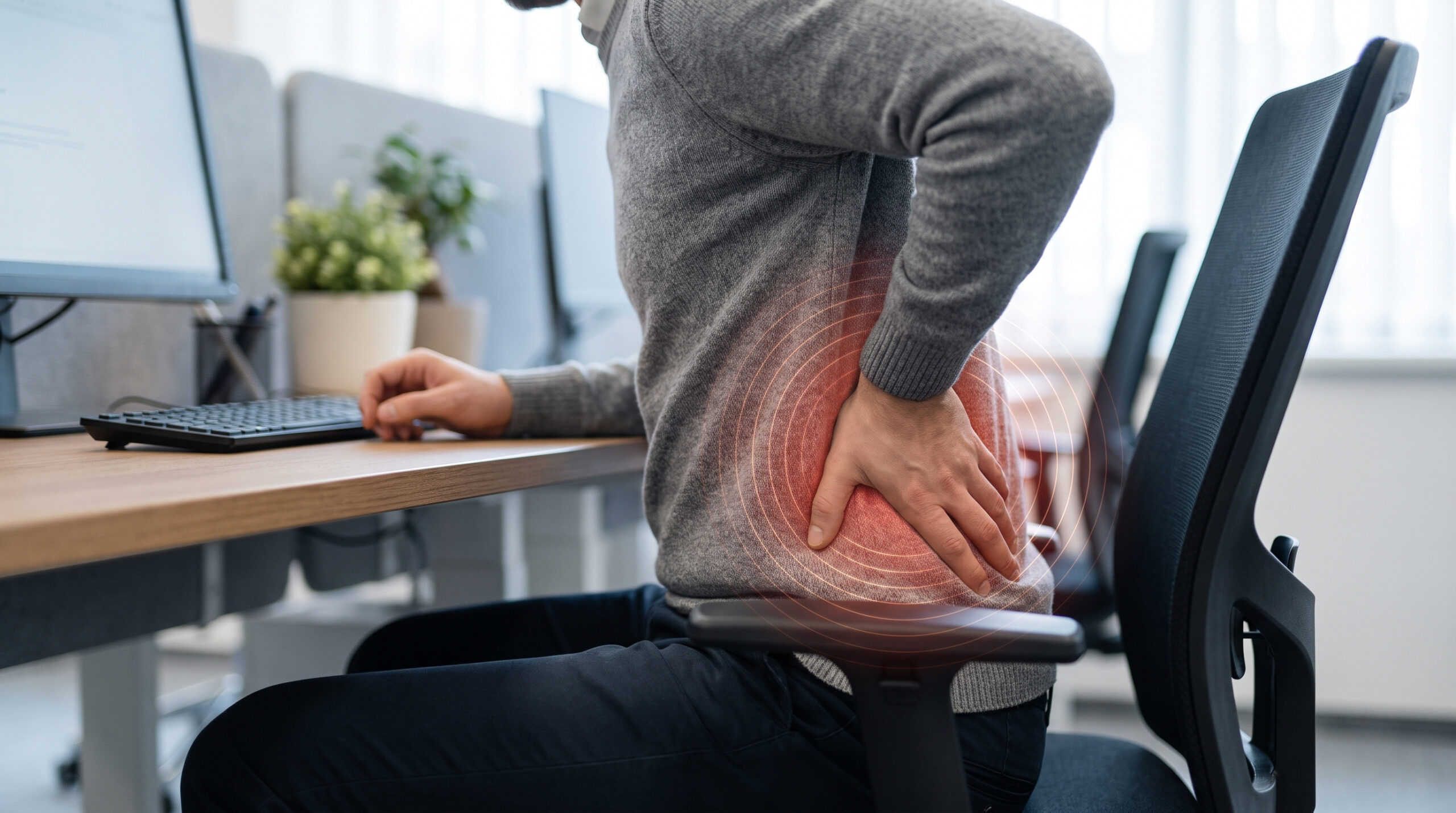
The golf swing relies heavily on your hips rotating smoothly. Over time, hips can become stiff, especially if you spend a lot of time sitting throughout the day. When hip mobility decreases, your body looks for movement elsewhere. This often means your lower back takes on more stress than it should, leading to discomfort.
Loss of Rotational Power
Power in your golf swing comes from your ability to create and transfer force through your body. This involves your hips, core, and upper body all working together. After 50, muscle mass and power can gradually decline if they are not actively trained. This can lead to those frustratingly shorter drives and less consistency in your shots.
Slower Recovery Times
You might notice that soreness lingers longer after a round or a practice session. This is a normal part of aging. Your body’s recovery capacity changes, but it can absolutely be improved with the right training and smart load management.
These changes are common experiences, but they are not permanent limitations. With the right plan, they can be addressed, and in many cases, even reversed.
The Real Reasons Golfers Over 50 Lose Distance and Develop Pain
Most golfers assume that pain or a drop in performance is just an inevitable part of getting older. The truth is it usually comes down to a few key issues that can be fixed.
- Mobility Limitations in the Hips and Thoracic Spine
- If your hips and upper back are not moving well, your golf swing becomes restricted. This can significantly reduce club head speed and force your body into awkward compensations.
- Common Result: Low back pain during or after a round.
- Lack of Strength and Power
- Strength is not just for younger athletes. It is one of the most important factors for maintaining distance and control as you age. Without enough strength, your body cannot properly stabilize the swing or generate force effectively.
- Common Result: Noticeable loss of distance and increased strain on your joints.
- Poor Movement Patterns Developed Over Time
- Even small inefficiencies in your golf swing or everyday movement patterns can build up over many years. Your body adapts to these patterns, often in ways that increase stress on certain areas.
- Common Result: Chronic issues like hip pain, shoulder discomfort, or recurring low back pain complaints.
How Golf Physical Therapy in St. Louis Can Help
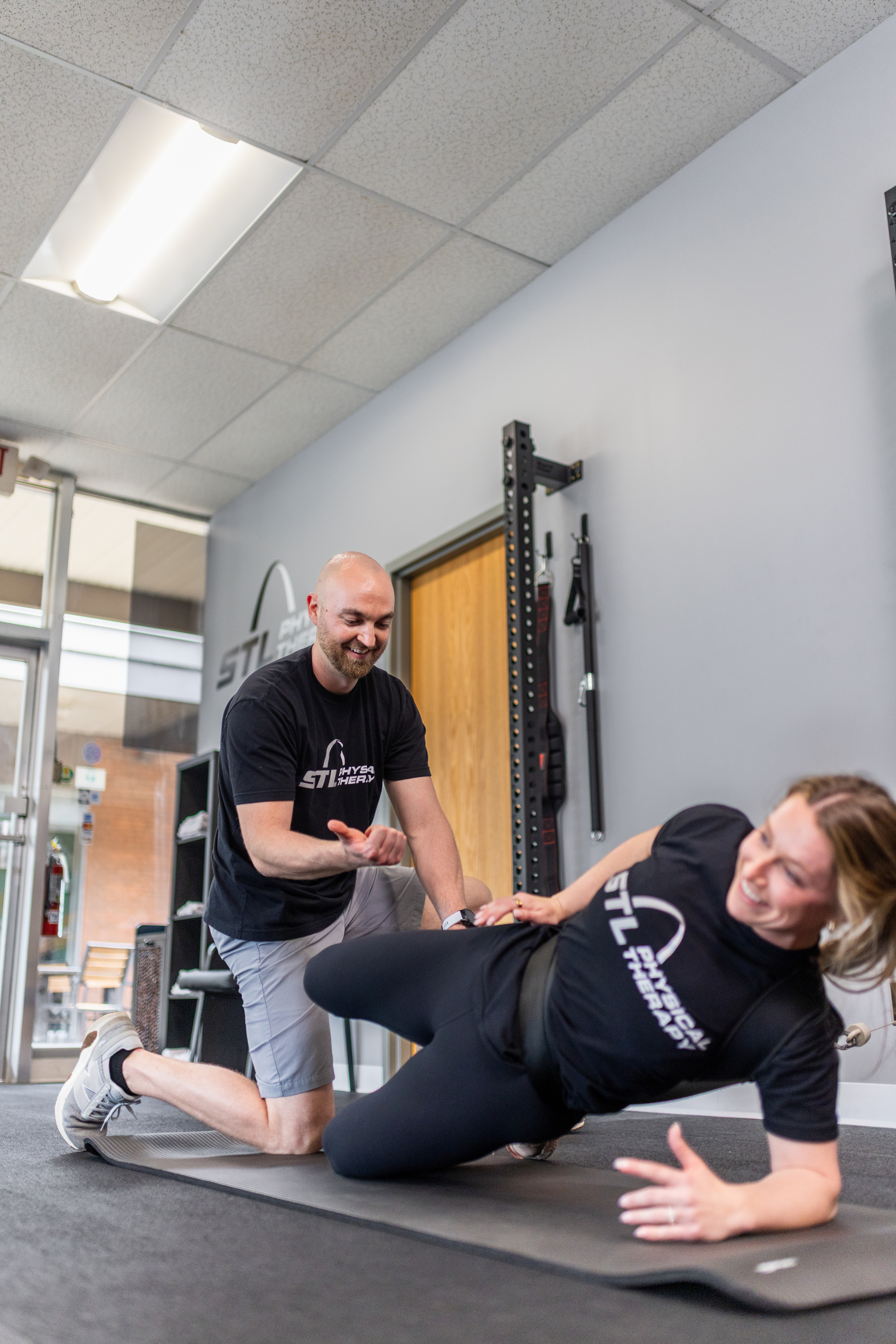
This is where a golf-specific physical therapy approach truly makes a difference. At STL Physical Therapy, we do not just look at your symptoms. We focus on how your body moves as a whole and how that movement translates directly to your golf swing.
Restoring Mobility Where You Need It Most
Instead of general stretching, our physical therapy targets the specific areas that impact your golf swing. This often includes:
- Hip mobility works to improve rotation and allow for a fuller turn.
- Thoracic spine mobility to create a smoother backswing and follow through.
When these key areas move better, your lower back does not have to compensate, which often relieves pain.
Building Strength That Transfers Directly to Your Swing
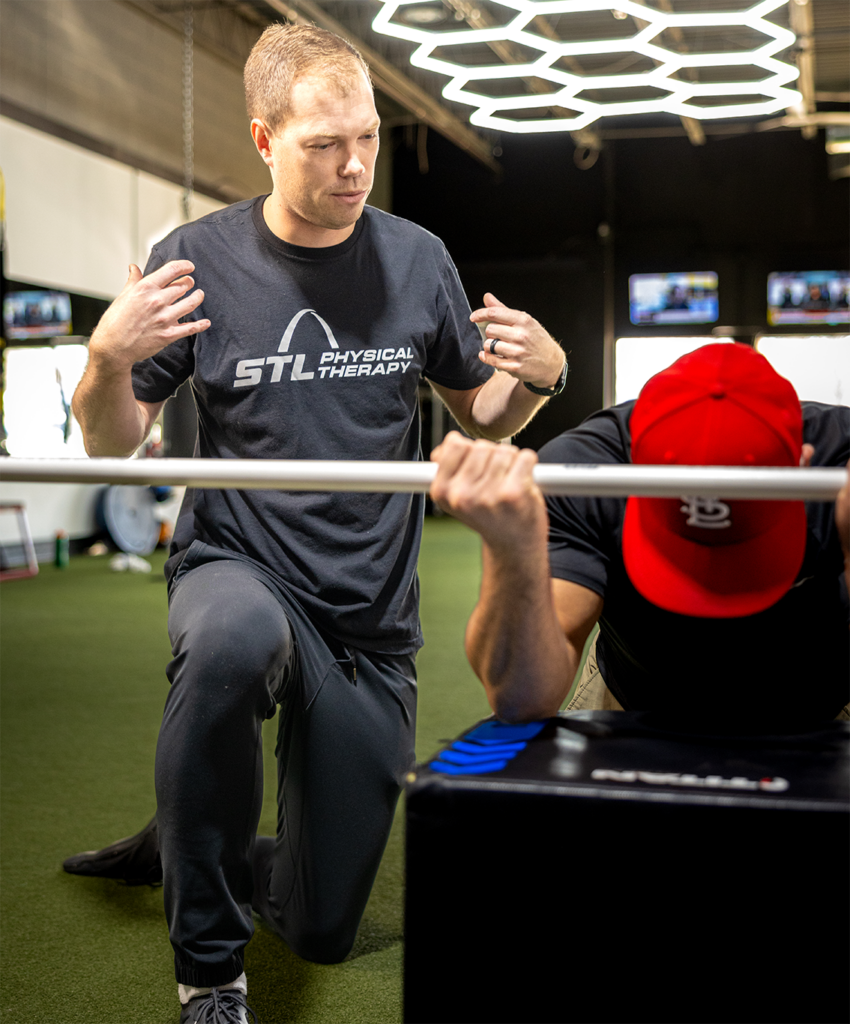
Strength training is one of the most important parts of golf fitness after 50. This does not mean lifting heavy weights without purpose. It means building strength in the specific muscles that support and power your golf swing.
Our focus areas include:
- Glutes for powerful drives and improved stability.
- Core muscles for better control and efficient force transfer.
- Shoulders for consistency, injury prevention, and durability.
This targeted approach is what helps you maintain or even increase your distance over time.
Improving Movement Patterns for a More Efficient Swing
A golf-specific program looks closely at how you move, not just how strong or flexible you are in isolation. By improving your fundamental movement patterns, we can help reduce stress on your joints and make your golf swing much more efficient. This is often the missing piece for golfers who feel like they are doing everything right but are still dealing with discomfort or stalled performance.
What a Golf-Specific PT Program Looks Like at STL Physical Therapy
Every golfer is unique, which is why your physical therapy plan should be built around your individual needs and goals.
Our approach is also guided by principles from the Titleist Performance Institute (TPI), one of the leading organizations in golf performance. As a TPI certified provider, we use golf-specific movement screening and training methods designed to improve how your body supports your swing.
Here is what you can expect from a golf physical therapy St. Louis program at STL Physical Therapy.
A Full Body Movement Assessment
This is where everything begins. Your physical therapist will thoroughly assess:
- Your overall mobility and flexibility.
- Your strength and stability in key areas.
- How your body moves through golf-related patterns.
This comprehensive assessment helps us identify exactly what is holding you back, whether it is tight hips, weak glutes, limited rotation, or a combination of factors.
A Personalized Plan Built for Your Specific Goals
Some golfers want to hit the ball farther. Others want to play pain-free. Many want both. Your personalized plan is designed around your specific goals and your current level of fitness.
It may include a variety of techniques, such as:
- Targeted mobility work to unlock restricted areas.
- Strength and power training to boost your clubhead speed.
- Balance and coordination drills to improve control.
- Guidance on recovery and load management to keep you healthy.
Hands-On Treatment When Necessary
If you are dealing with pain or stiffness, hands-on techniques can be incredibly effective in reducing tension and improving movement. This may include soft tissue work or advanced techniques like dry needling to address muscle tightness and trigger points that impact your swing.
Progression Over Time
As your body adapts and gets stronger, your program will evolve. This progressive approach is what helps you continue improving. It is not just about feeling better today. It is about building a body that supports your golf game for the long term.
Why Starting Before You Are Hurt Is the Smartest Move
One of the biggest misconceptions about physical therapy is that it is only for injuries. The reality is that the best results, especially for senior golfers, come when you take a proactive approach before pain becomes a significant problem.
When you take a proactive approach to golf fitness over 50 with physical therapies:
- You can improve your performance without interruptions due to pain.
- You significantly reduce your risk of developing common golf injuries.
- You build confidence in your body and your golf swing.
For many golfers over 50, this proactive shift changes everything. Instead of reacting to pain or performance drops, you are building a strong foundation that keeps you playing consistently and enjoying every round.
Stay on the Course for Years to Come
Golf is so much more than just a sport. It is time spent outdoors, valuable time with friends, and a fantastic way to stay active. There is absolutely no reason that should stop at 50. With the right combination of mobility, strength, and movement training, you can continue to improve your game and truly enjoy every round.
At STL Physical Therapy, we work with active adults across St. Louis who want to feel better, move better, and keep doing what they love. Whether you are dealing with hip pain, low back discomfort, or simply want to hit the ball farther, we are here to help.
Frequently Asked Questions
- Can physical therapy really help improve my golf game after 50?
Yes, absolutely. Physical therapy can significantly improve your mobility, strength, and movement patterns, all of which directly impact your golf swing. Many golfers see improvements in distance, consistency, and overall comfort on the course. - Is strength training safe for older golfers?
Yes, when done correctly. A structured strength training program designed by a professional focuses on proper technique and appropriate loading, making it both safe and incredibly effective for senior golfers. - What are the most common injuries in golfers over 50?
Low back pain, hip pain, and shoulder issues are among the most common complaints for golfers over 50. These are often related to underlying mobility limitations and movement compensations during the swing. - How often should I do golf fitness exercises?
This depends on your current condition, fitness level, and specific goals. Most golf fitness programs include a mix of mobility and strength work several times per week, tailored to your individual needs. - Do I need to be in pain to start physical therapy?
Not at all. Starting a golf-specific physical therapy program before pain develops is one of the best ways to improve your performance, increase your longevity in the sport, and prevent future issues from arising.
Ready to Play Your Best Golf After 50?
If your goal is to golf better at 60 than you did at 50, it starts with how you take care of your body today.
Book a golf performance evaluation with STL Physical Therapy and get a plan designed specifically for you, guided by TPI-certified golf performance principles.