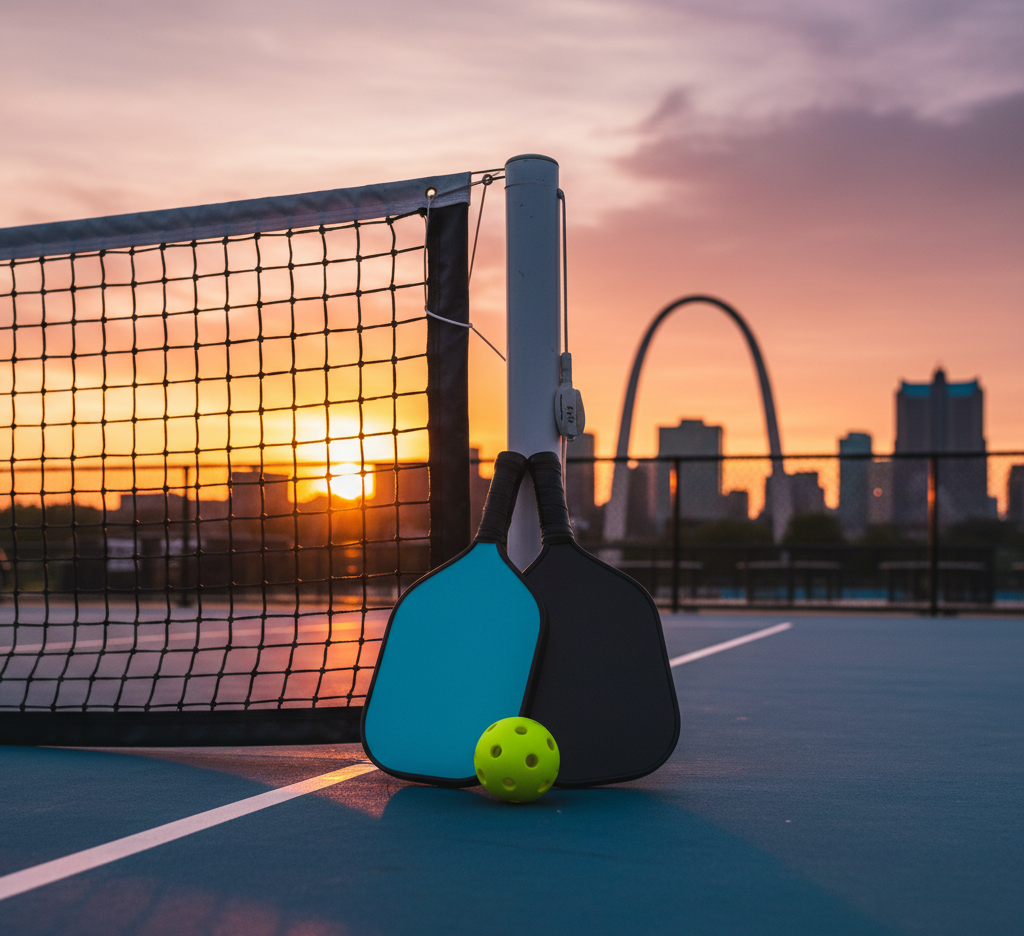
Pickleball. It’s everywhere. From buzzing local parks to competitive leagues and casual games with friends, this sport has absolutely exploded in St. Louis. And honestly, what’s not to love? It’s social, it’s fast-paced, and pretty much anyone can pick up a paddle and have a blast.
But here’s the thing many players don’t see coming.
Those super fun, quick-fire movements that make pickleball so addictive. They’re also putting your body through a workout, creating repeated stress over time. And that stress can sneak up on you, leading to aches, limited movement, and injuries that sideline you from the game you love way longer than you’d want.
Here at STL Physical Therapy, we’re seeing more and more players come through our doors with pickleball injuries, everything from a nagging elbow to persistent knee pain and a frustrating pickleball shoulder injury. But here is the good news: with the right approach and a solid game plan, you can bounce back faster and even prevent these issues from crashing your court time.
We’re going to dive into why these injuries pop up, the most common ones we treat, and how pickleball injuries’ physical therapy can be your secret weapon to staying active and pain-free on the St. Louis courts.
Why Pickleball Leads to Injuries
You might look at pickleball and think, “Oh, it’s not as intense as tennis or basketball.” And in some ways, you’re right. But your body is working way harder than you probably realize out there.
Every match is a flurry of quick changes in direction, sudden stops that jar your joints, and those constant, repetitive arm swings. This combination of forces is a recipe for overloading your joints and soft tissues over time.
Think about these common culprits that lead to those unwelcome aches:
- Non-stop stress on your elbow and shoulder from all that swinging, dinking, and driving.
- Rapid-fire lateral movements that really put a strain on your knees and ankles.
- Tight spots or limited mobility in one area force other parts of your body to overcompensate.
- Playing too much, too often, without giving your body the recovery time it desperately needs.
For a lot of players, especially those of us getting back into sports later in life, these factors can pile up surprisingly fast.
The Big 5: Common Pickleball Injuries We See
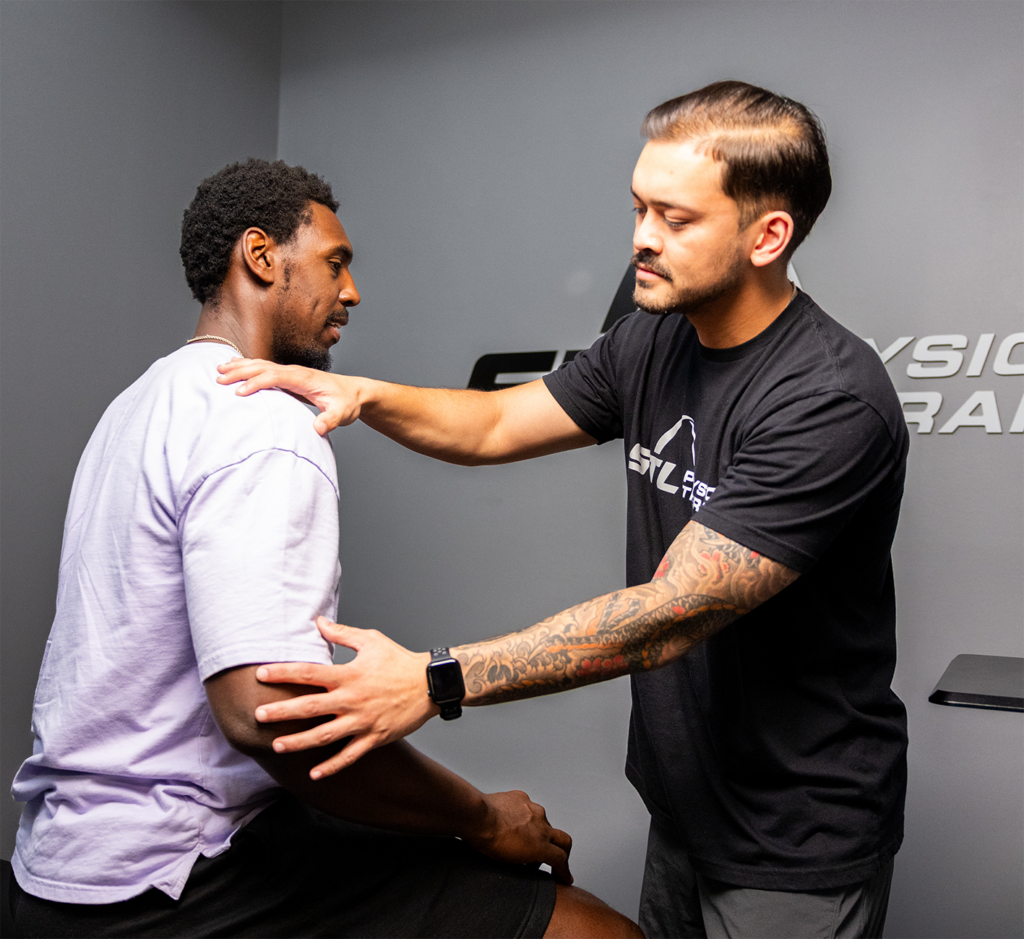
So, what are the usual suspects that bring pickleball players into our physical therapy? Let’s break down the most common ones:
1. Pickleball Elbow
Ah, the infamous pickleball elbow! You might know it as tennis elbow, and it causes that annoying pain on the outside of your elbow. It’s a direct result of all that repetitive gripping and swinging.
You might notice:
- A sharp zing of pain when you grip your paddle.
- A general weakness in your forearm.
- Discomfort even when lifting everyday things, like a coffee cup.
2. Shoulder Injuries
Your shoulder is a pillar in pickleball, especially for serves and those satisfying overhead shots. Overdoing it or using less-than-perfect form can lead to nagging irritation or even more serious rotator cuff problems. This is a classic pickleball shoulder injury.
Common red flags include:
- Pain whenever you reach overhead.
- Feeling stiff or having a limited range of motion.
- A general weakness or instability in your shoulder.
3. Knee Pain
Those quick stops, pivots, and lunges are fantastic for chasing down shots, but they can put a significant amount of stress on your knee joint. Without proper strength and control, this can quickly lead to irritation or more concerning issues.
You might feel:
- Pain when you bend your knee or squat down.
- Stiffness that settles in after a game.
- Discomfort when simply going up or down stairs.
4. Achilles Tendon Pain
Your Achilles tendon is like a super spring, absorbing a ton of force with every step and push-off. Suddenly cranking up your activity level or having tight calves can inflame it or even lead to a strain.
Symptoms often show up as:
- Pain in the back of your ankle.
- Stiffness, especially first thing in the morning.
- Discomfort when you try to push off or jump.
5. Lower Back Strain
All those rotational movements you make during a pickleball game can really put stress on your lower back. This is especially true if your hips aren’t as mobile as they should be, forcing your back to pick up the slack.
You might notice:
- Tightness or a dull ache in your back after playing.
- Pain when you twist your body.
- A general feeling of reduced flexibility.
Why Just Resting Isn’t the Real Fix
It’s a common story we hear: My elbow hurt, so I took a few weeks off, and it felt better. But then I played again, and it came right back. Sound familiar?
While a break can certainly calm things down temporarily, it rarely gets to the heart of why the problem started in the first place. You see, most pickleball injuries develop because of underlying issues like:
- Muscle imbalances: Some muscles are strong, others are weak, throwing your body off kilter.
- Limited mobility: Stiffness in one joint makes another joint work too hard.
- Poor movement patterns: How you swing, lunge, or pivot might be setting you up for trouble.
- Weakness in key areas: Core, hips, and shoulders. If these aren’t strong, other areas suffer.
Without fixing these root causes, the pain is almost guaranteed to make an unwelcome return.
How Pickleball Injuries Physical Therapy Makes a Real Difference
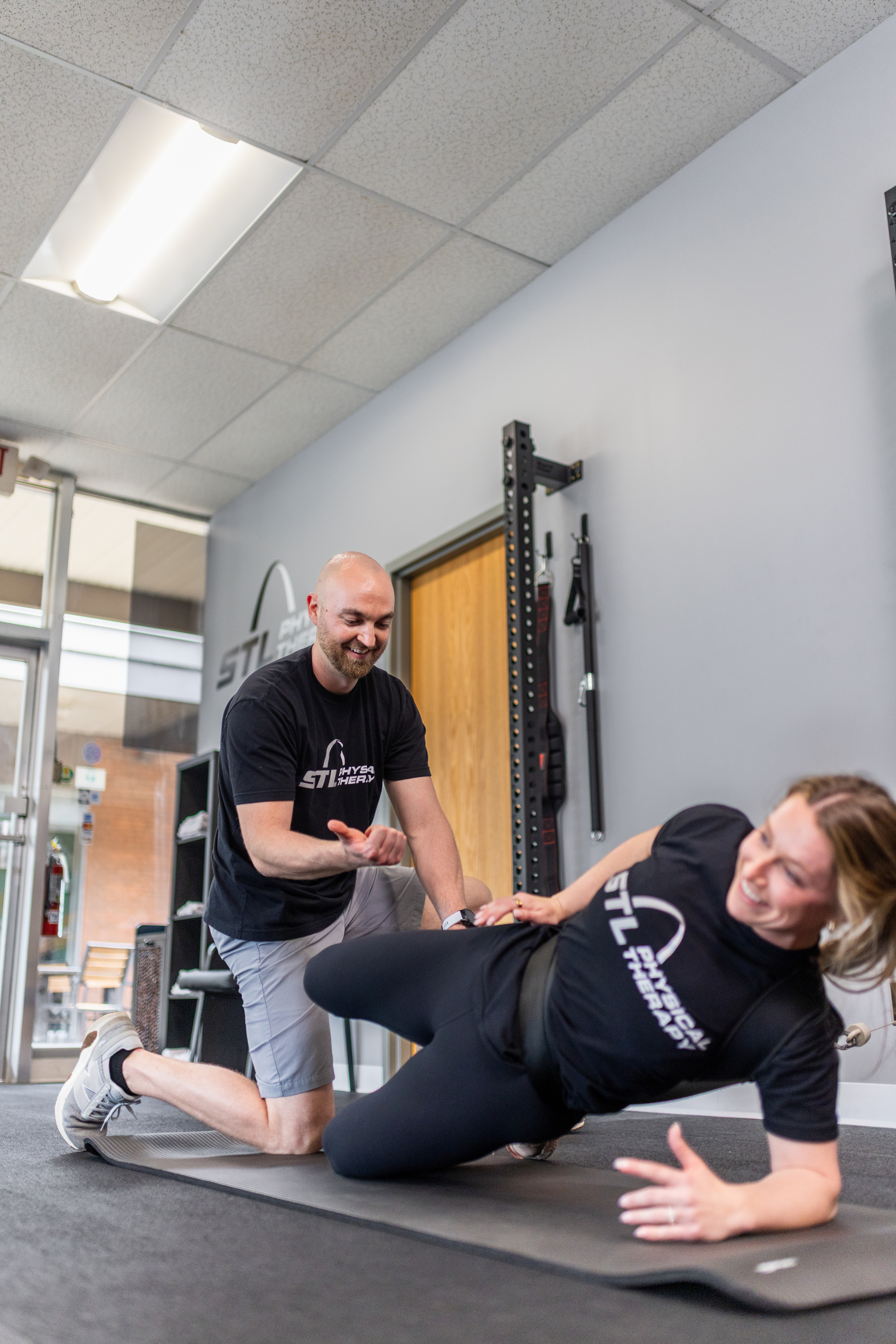
At STL Physical Therapy, we don’t just chase your symptoms. We take a step back and look at how your entire body moves and functions. This holistic approach is why our clients in St. Louis get lasting results for their pickleball injuries.
Your treatment plan with us is never one-size-fits-all. It’s custom-built around your specific needs, your goals, and your desire to get back on the court stronger than ever.
1. Your Personalized Movement Assessment
We kick things off with a thorough evaluation. We watch how you move, listen to your story, and really dig deep to understand what’s truly causing your pain or limiting your game. This is where we pinpoint the real culprits behind your pickleball elbow, pickleball knee pain, or pickleball shoulder injury.
Ready to figure out what’s really going on? Schedule your evaluation with us.
2. Targeted, Hands-On Treatment
Your individualized plan might include a mix of therapies designed to get you feeling better, faster:
- Hands-on therapy: Our skilled therapists use techniques to reduce your pain and restore natural movement.
- Advanced techniques like dry needling: When appropriate, we use methods like dry needling to release stubborn muscle knots and accelerate healing. You can learn more about dry needling in St. Louis here.
- Mobility work: Think of it as unlocking stiff joints and restoring your natural range of motion.
- Strengthening exercises: We’ll guide you through specific exercises to build stability and support around your joints.
3. Game-Changing, Sport-Specific Training
We don’t just want you to feel better; we want you to play better. Our approach includes training that translates directly to the court, helping you improve your:
- Balance and coordination: Essential for those quick lateral shuffles.
- Reaction time: So, you can anticipate shots and move with confidence.
- Strength in key movement patterns: Making every swing and lunge more powerful and safer.
4. Expert Return-to-Play Guidance
We’ll be with you every step of the way, guiding you through a safe, progressive return to pickleball. This ensures you regain your confidence and significantly reduce the chance of reinjuring yourself.
Don’t Wait for the Ache: A Prevention Playbook for Active Pickleball Players
The secret is that you don’t have to wait until you’re hobbling off the court to benefit from physical therapy. In fact, many of our clients come to us because they’re proactive; they want to stay active, keep improving, and avoid pickleball injuries altogether. This is our prevention philosophy in action.
Here are some simple, yet powerful, strategies to protect your body and keep playing strong:
1. Boost Your Mobility
Stiffness in your hips, shoulders, or ankles often means other parts of your body, like your back or knees, must work overtime. Keeping these key areas flexible and moving freely dramatically reduces stress on your joints.
2. Build Smart Strength
Strong muscles are like built-in armor for your joints. They absorb impact and provide stability. Focus on building strength in critical areas:
- Core stability: Your powerhouse for every shot and movement.
- Hip strength: Crucial for lateral movements and powerful swings.
- Shoulder control: Protecting your rotator cuff during serves and overheads.
3. Always Warm Up Properly
Jumping straight into a match is like asking a cold engine to redline; it’s just asking for trouble. A quick, dynamic warm-up gets your blood flowing, wakes up your muscles, and prepares your body for the demands of the game.
4. Manage Your Playing Volume
It’s easy to get caught up in the thrill and play more often as you improve. But remember, your body needs time to repair and recover. Listen to it. Don’t push through deep fatigue.
5. Address Pain Early
Those little aches and twinges are often your body’s early warning signals. Ignoring them and hoping they go away can turn a minor nuisance into a major pickleball injury. Getting them checked out early can prevent much bigger problems down the road.
If you’re already dealing with specific joint issues, you can learn more here:
Keep Loving the Game: Stay Active, Stay Strong
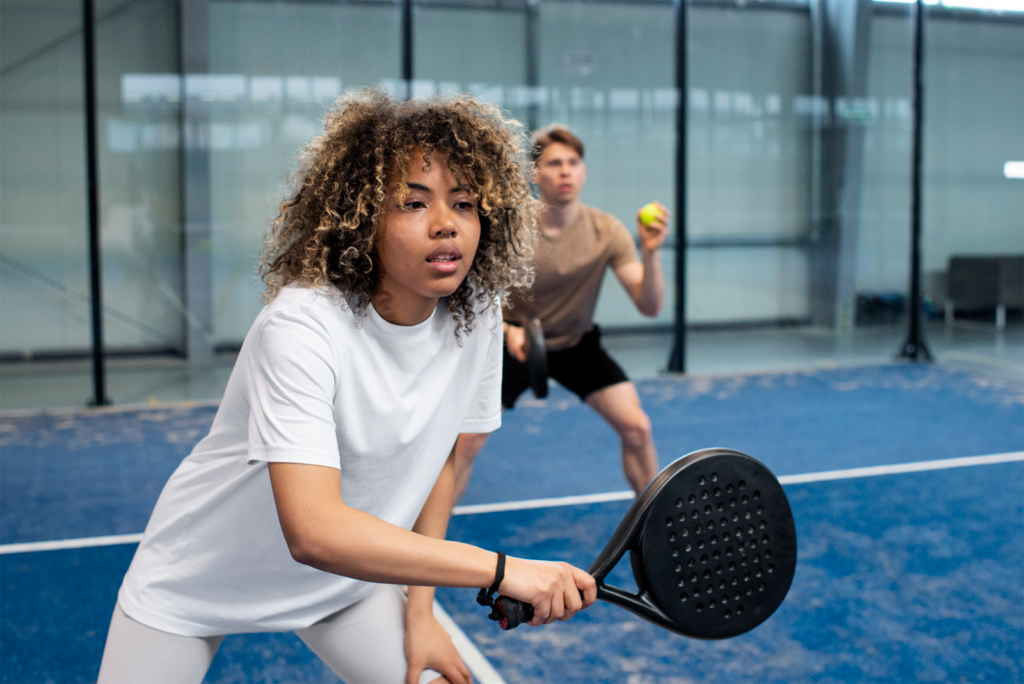
Pickleball is supposed to be pure fun and a great way to stay active, socialize, and challenge yourself. It shouldn’t be a source of constant pain, frustration, or forced breaks.
Whether you’re battling persistent discomfort or want to move better, prevent future issues, and enhance your game, physical therapy for pickleball can truly make a world of difference.
At STL Physical Therapy, we’re passionate about helping active adults and athletes across the St. Louis area feel better, move better, and keep doing the activities they love, especially pickleball!
Ready to Get Back in the Game?
If pickleball injuries are holding you back, we’re here to help you get back on the court with confidence.
Don’t wait for the pain to get worse. Schedule your evaluation today and take that crucial first step toward pain-free movement and elevated performance.