If the outside of your elbow aches when you grip, lift, shake hands, or even pour a cup of coffee, you might be dealing with tennis elbow. The name is misleading because you do not need to play tennis to get it. This type of elbow pain is extremely common in people who work with their hands, lift weights, use tools, spend long hours at a computer, or do repetitive gripping tasks.
The good news: physical therapy for tennis elbow is one of the most effective ways to reduce pain and rebuild strength so you can get back to work, workouts, and daily life with more confidence. The key is not just resting until it “goes away” but following a plan that gradually improves your tendon’s tolerance to load.
What is tennis elbow (lateral epicondylitis)?
“Tennis elbow” is often called lateral epicondylitis, or more accurately, lateral elbow tendinopathy. It involves irritation and overload of the tendons on the outside of the elbow, commonly where the wrist extensor muscles attach. These muscles help stabilize your wrist and hand during gripping, lifting, and repetitive hand use.
Many cases are less about inflammation and more about a tendon that has become sensitive and under-prepared for the demands being placed on it. That is why a structured rehab plan usually works better than rest alone.
Common symptoms of tennis elbow
Tennis elbow typically shows up as:
- Pain or tenderness on the outside of the elbow (sometimes spreading into the forearm)
- Discomfort when gripping, lifting, twisting, typing, using tools, or playing racquet sports
- Reduced grip strength or a feeling that your forearm “gives out”
- Pain that builds during activity and lingers afterward
If you also have numbness/tingling, neck pain that seems connected, significant swelling, or pain that does not match the typical pattern, it is worth getting assessed to rule out nerve involvement or other causes.
Why tennis elbow happens and why rest alone often isn’t enough
Tennis elbow often starts when your tendon is asked to do more than it can currently tolerate. That “more” could be:
- A sudden increase in workload (busy season at work, new tool, more lifting)
- Returning to activity after time off
- A change in technique (sports, weight training, ergonomics)
- Repetitive gripping with the wrist in awkward positions
Rest can calm things down temporarily, but it does not always restore the tendon’s capacity. If you return to the same workload without rebuilding strength and load tolerance, symptoms often come right back. This is where physical therapy for tennis elbow shines: it gives you a progression that helps the tendon adapt safely over time.
Does physical therapy help tennis elbow?
In most cases, yes. Physical therapy is designed to address the two biggest problems people run into:
- Pain and sensitivity that makes everyday tasks uncomfortable
- Reduced load tolerance, meaning the tendon cannot yet handle the gripping/lifting demands of your life
A PT plan typically includes graded strengthening, mobility work when needed, and activity modifications so you can keep living your life while healing.
What to Expect at STL Physical Therapy for Tennis Elbow
At STL Physical Therapy, we do more than chase symptoms. Yes, the first goal is to calm the pain so you can move your arm comfortably again. But the bigger priority is understanding the “why” behind your pain, the underlying movement, mobility, stability, or workload issue that caused the tendon to become irritated in the first place. That way, we are not just helping you feel better temporarily. We are working toward a result that actually lasts.
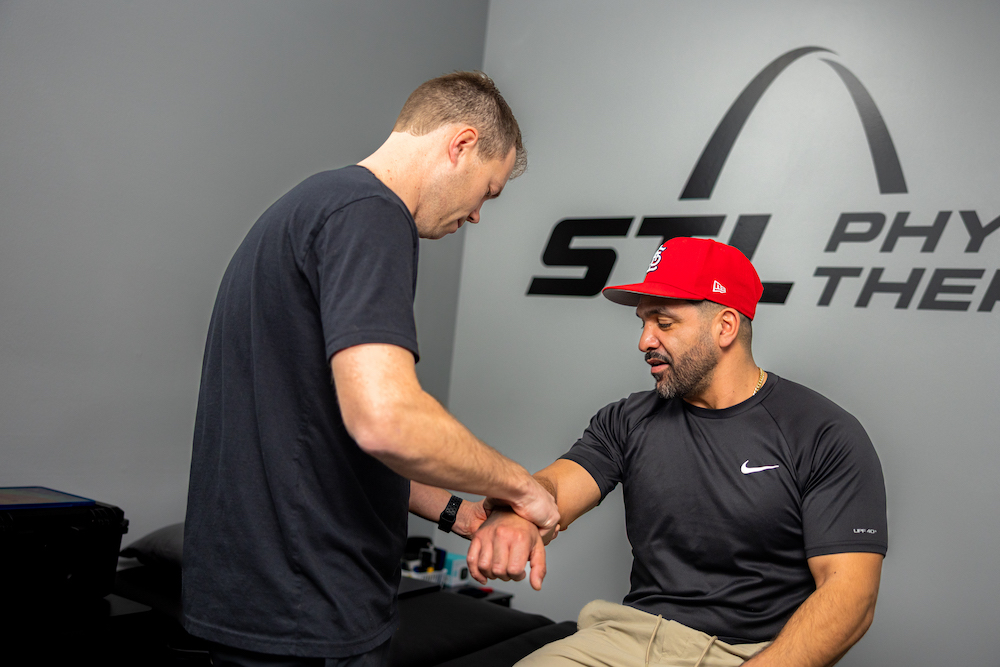
Your first visit starts with a thorough evaluation to confirm that your symptoms match tennis elbow (lateral epicondylitis) and to identify the real drivers behind it. For some people, the issue is centered in the forearm tendons themselves. For others, the elbow pain is being fed by limited shoulder control, poor wrist mechanics, restricted joint mobility, or repetitive loading patterns at work or in the gym. The goal is to connect the dots between what is happening in your day-to-day life and why your elbow is reacting the way it is.
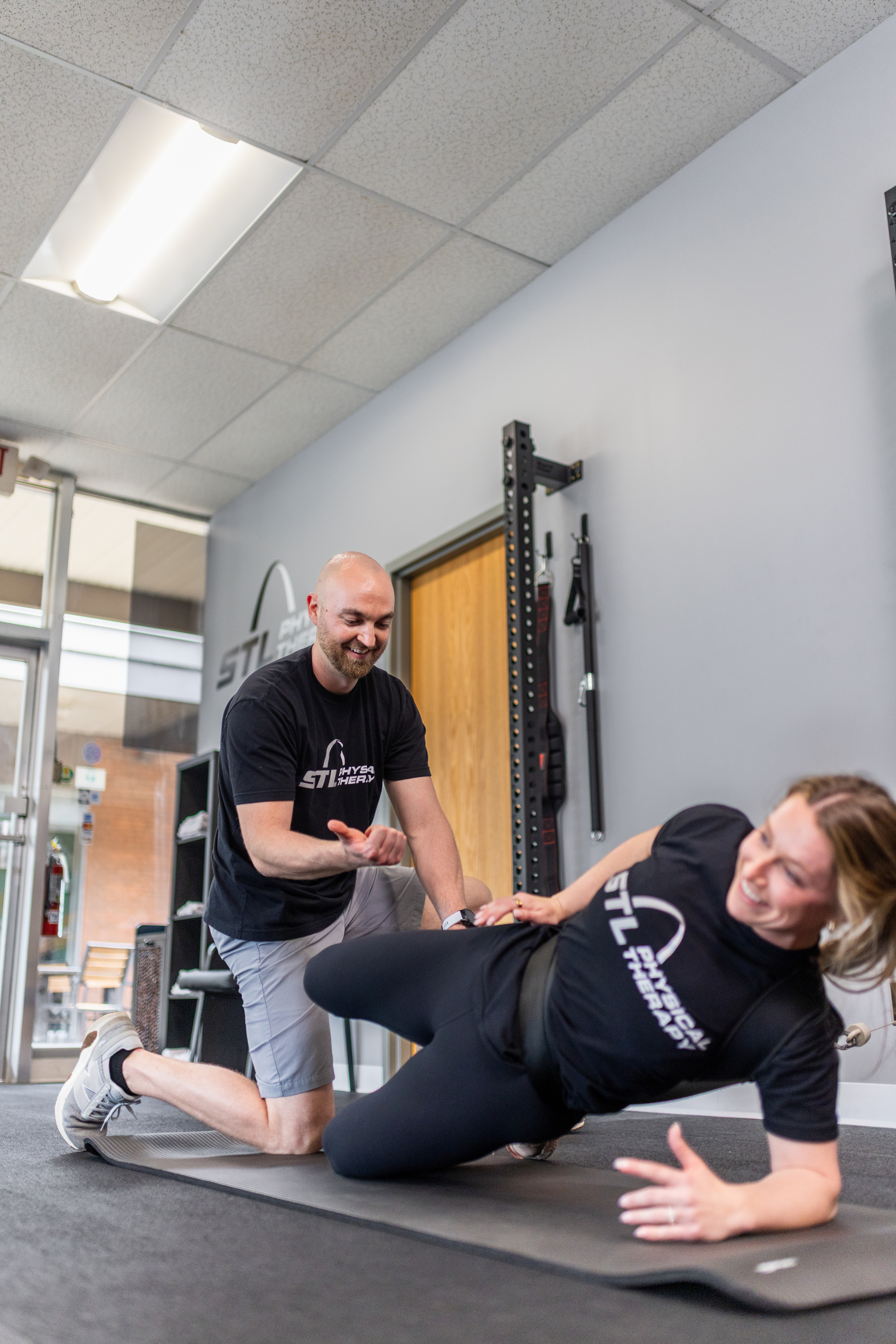
From there, there is a clear method to the process. We typically start with manual therapy to decrease tissue stiffness and improve joint mobility. That often includes hands-on soft tissue work and, when appropriate, dry needling to help reduce sensitivity and restore motion. Once the area is moving better and feels less guarded, we work to improve range of motion so you can access the movement your body needs without compensation.
Next comes a step many people miss: stability. New motion is only useful if you can control it. We focus on improving your ability to stabilize the wrist, elbow, and shoulder so your arm can handle real-world tasks like gripping, lifting, typing, and sport-specific movements without flaring up again.
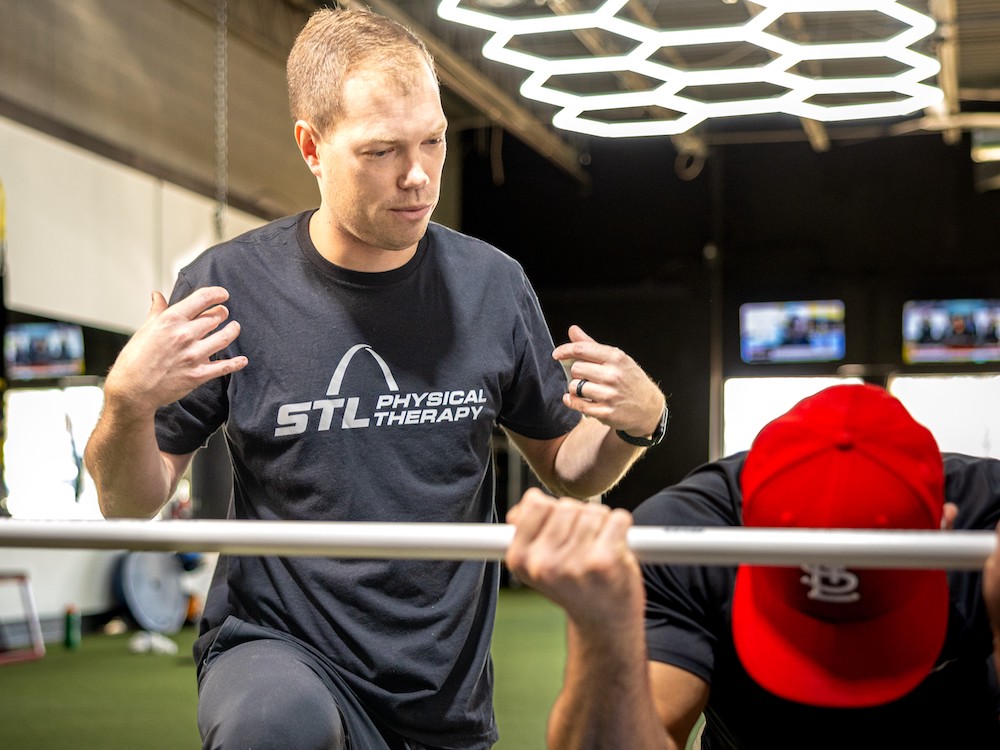
Finally, we build what makes the biggest long-term difference: strength and capacity. This is where rehab turns into resilience. We progress your strengthening in a way that improves tendon load tolerance and helps you return to the activities that matter to you, whether that is racquet sports, weight training, manual labor, or simply getting through the day without pain. For some clients, this looks like return-to-play programming. For others, it is longevity training designed to keep you strong and durable for the long haul.
Exercises for tennis elbow: what you might see in PT
You do not need a huge list of 15 exercises to improve. In fact, doing too much too soon is a common reason symptoms flare.
A typical program might include a small set of exercises that progress over time, often focusing on:
- Wrist extensor strengthening
- Grip strengthening that is scaled to your pain tolerance
- Shoulder and upper back control when needed for overall arm loading
- A home program you can realistically follow consistently
If you are looking up exercises online, use caution. Even reputable handouts emphasize exercises should be performed under professional guidance and adjusted to your symptoms.
What to avoid with tennis elbow
Many people unintentionally keep tennis elbow going by doing one or more of these:
Pushing through sharp pain
Some mild discomfort during rehab can be normal, but sharp pain that lingers and worsens day-to-day is often a sign you need to scale back.
Random stretching without strengthening
Stretching alone rarely builds the capacity you need for gripping and lifting.
Doing everything at once
More exercises are not always better. Consistency with a focused plan wins.
Returning to full workload after a “good week”
Tendons improve in a non-linear way. You want the trend to improve, even if you have occasional difficulties.
How long does tennis elbow take to heal with physical therapy?
This depends on how long you have had symptoms, how sensitive the tendon is, and what demands your life places on your arm.
In general:
- Mild, newer cases can improve in a matter of weeks with the right plan.
- More persistent cases often require a longer strengthening and load management period, commonly several weeks to a few months.
What matters most is not the calendar date, but whether your function is improving. Signs you are on track include:
- Less pain with gripping tasks
- Grip strength returning
- Faster recovery after activity
- Fewer flare-ups as you increase load
Your PT should help you set realistic expectations and progress you without guessing.
When to see a physical therapist for tennis elbow
Consider scheduling an evaluation if:
- Pain has lasted over 2–3 weeks and is not improving
- Gripping and lifting are getting harder, not easier
- You keep cycling through “rest, feel better, flare again”
- You have weakness, pain that travels, or symptoms that do not fit the usual tennis elbow pattern
An evaluation can confirm whether it is truly tennis elbow and help you avoid wasting time on the wrong approach.
FAQs about physical therapy for tennis elbow
Is tennis elbow the same as tendonitis?
It is often labeled “tendonitis,” but many cases are better described as tendinopathy, meaning the tendon has become painful and sensitive because of overload and degeneration rather than simple inflammation.
Should I use a brace for tennis elbow?
Some people find temporary relief with a counterforce brace or wrist support, especially during aggravating tasks. A brace can help manage symptoms, but it should not replace a strengthening plan.
Do I need an X-ray or MRI?
Most tennis elbow cases are diagnosed clinically based on symptoms and exam findings. Imaging is typically considered if symptoms are unusual, severe, or not improving as expected.
What is the fastest way to recover from tennis elbow?
The fastest path is usually the smartest one: reduce irritability, then rebuild strength and load tolerance with a progressive plan you can stick to. Doing too much too soon often slows recovery.
Can tennis elbow come back after it feels better?
It can, especially if the workload increases quickly or strength and recovery habits are not maintained. A good PT plan includes a return-to-activity progression and a maintenance approach that fits your lifestyle.
Ready for a plan that fits your work, workouts, and life?
If tennis elbow is interfering with your job, training, or everyday tasks, a structured rehab plan can make a big difference. At STL Physical Therapy, we focus on identifying what is driving your symptoms and building a realistic progression to restore strength, grip, and confidence.
If you would like help, schedule an evaluation and we will map out the next best steps.