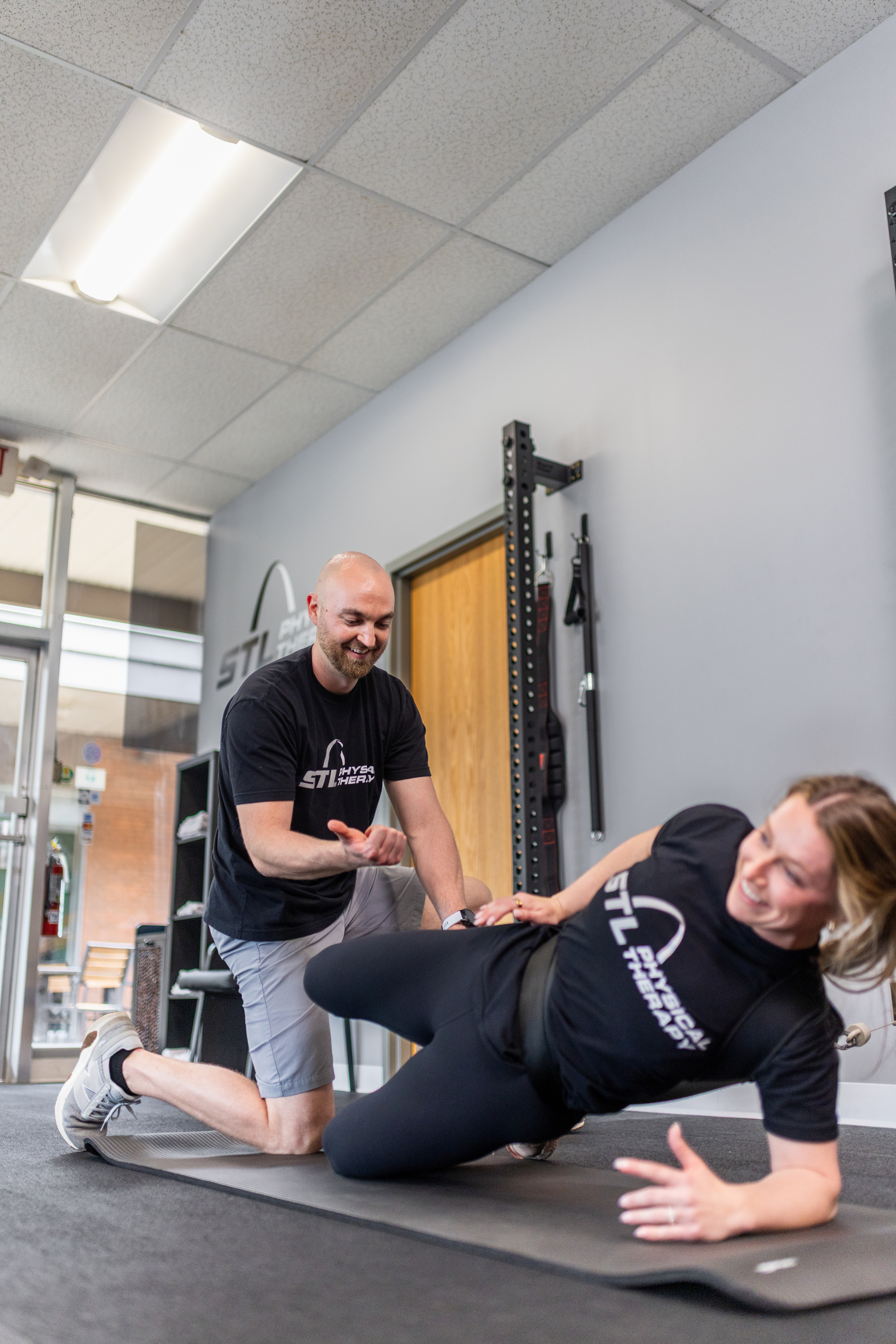

Whether you are training for your next race, playing in a local recreational league, lifting weights after work, or simply staying active with your favorite hobbies, injuries can interrupt your routine when you least expect them. That is why more athletes and active people are prioritizing sports injury prevention in St. Louis to stay healthy and continue doing what they love. Instead of waiting for pain to appear, a proactive approach focuses on improving movement quality and addressing potential issues before an injury develops.
Many sports injuries do not happen because of one bad movement. They often result from small movement limitations, muscle imbalances, poor mechanics, or repetitive stress that gradually places more strain on the body over time. Identifying these issues early can help reduce your risk of injury and keep you participating in the activities you enjoy.
At STL Physical Therapy, we know that movement quality is one of the foundations of injury prevention. By understanding how your body moves as a whole, physical therapists can identify potential problems and create individualized strategies that support long-term performance and health.
What Is Movement Quality?
Movement quality is all about how well your body moves, whether you are walking through your daily routine or competing in your favorite sport.
Every movement requires different muscles, joints, and connective tissues to work together. When one area is not functioning as it should, another part of the body often compensates. These compensations may not cause pain immediately, but over time they can increase stress on muscles, tendons, ligaments, and joints.
Good movement quality includes:
- Healthy joint mobility
- Adequate flexibility
- Proper muscle strength
- Balance and stability
- Coordination
- Efficient movement patterns
Rather than focusing on one painful area, we evaluate how your entire body works together during movement.
Why Injuries Often Develop Before You Feel Pain
Pain is usually the last sign that something is wrong.
Many people continue exercising or playing sports while their bodies quietly compensate for movement restrictions or muscle weakness. Over weeks or months, those compensations may create excessive stress on certain tissues until symptoms finally appear.
For example:
- Limited ankle mobility can increase stress on the knees during running.
- Weak hip muscles may contribute to poor knee alignment during jumping.
- Reduced shoulder mobility may place additional strain on the rotator cuff during overhead sports.
- Limited trunk mobility can affect force transfer throughout the body during rotational sports such as golf, tennis, or baseball.
Addressing these movement limitations before pain develops is one of the primary goals of a sports injury prevention in St. Louis program
Common Risk Factors for Sports Injuries
No two athletes move exactly the same way, but understanding the causes and risk factors associated with common sports injuries can help people make better decisions about training and recovery.
Poor Mobility
Mobility allows joints to move through their full range of motion. When mobility is restricted, the body often compensates by asking nearby joints to do more work than they were designed to handle.
Over time, this may contribute to overuse injuries.
Muscle Weakness
Muscles provide stability and help absorb force during activity. Weakness in one area often forces other muscles to compensate, increasing fatigue and stress throughout the body.
Poor Balance and Stability
Balance plays an important role in nearly every sport. Deficits in balance may increase the likelihood of awkward landings, falls, or uncontrolled movements.
Training Errors
Increasing intensity, duration, or frequency too quickly can overload tissues before they have time to adapt.
Even highly conditioned athletes benefit from gradually progressing their training programs. Choosing activities that match your current fitness level and gradually increasing their intensity can also help with reducing the risk of sports injuries
Previous Injuries
A previous injury is one of the strongest predictors of future injury.
Without fully restoring strength, mobility, and movement mechanics, the body may continue compensating long after symptoms improve.
Why Every Athlete Moves Differently
There is no single “perfect” movement pattern.
Each person has unique anatomy, flexibility, strength, training history, and sport-specific demands. What works well for one athlete may not be ideal for another.
This is why injury prevention programs should be individualized rather than based on generic exercises found online.
A movement assessment allows physical therapists to identify how your body moves and determine where improvements may help reduce injury risk.
How Physical Therapy Supports Injury Prevention
Many people associate physical therapy with recovering after surgery or treating an injury.
In reality, injury prevention physical therapy is becoming an important part of staying healthy and active.
A comprehensive movement assessment may include evaluating:
- Joint mobility
- Muscle strength
- Flexibility
- Balance
- Walking and running mechanics
- Squatting and lifting technique
- Jumping and landing mechanics
- Sport-specific movement patterns
Rather than waiting until pain develops, physical therapists can identify movement limitations that may contribute to future injuries.
That proactive approach is one reason many athletes make a sports injury prevention in St. Louis program part of their regular training routine.
Sports That Benefit from Movement Assessments
Movement quality matters in nearly every activity.
Whether you compete at a high level or simply enjoy staying active, an assessment can help identify opportunities to move more efficiently.
Physical therapy may benefit people who participate in:
- Running
- Baseball
- Softball
- Tennis
- Golf
- Soccer
- Football
- Basketball
- Volleyball
- Pickleball
- Weightlifting
- Cycling
Even recreational athletes place repetitive demands on their bodies that can lead to movement adaptations over time.
Signs You Could Benefit from an Injury Prevention Assessment
You do not have to wait until you are injured to schedule a physical therapy evaluation.
You may benefit if you:
- Frequently feel tight after activity
- Experience recurring soreness in the same area
- Notice one side feels weaker than the other
- Have difficulty with balance
- Recently increased your training volume
- Are returning after a previous injury
- Want to improve movement efficiency
- Want to reduce your risk of future injuries
Many movement limitations can be addressed long before they develop into painful conditions.
The Importance of Strength and Mobility Working Together
Strength and mobility are often discussed separately, but they work together during every movement.
Mobility allows your joints to move efficiently.
Strength allows you to control that movement.
Having excellent flexibility without strength can lead to instability. On the other hand, having strong muscles without adequate mobility may create compensation patterns that increase stress on surrounding tissues.
An effective injury prevention program addresses both areas together.
Recovery Is Part of Injury Prevention
Training hard is only one part of athletic performance.
Recovery allows your body to adapt to the demands of exercise.
Poor recovery may increase fatigue, reduce movement quality, and make injuries more likely.
Recovery strategies may include:
- Adequate sleep
- Proper hydration
- Balanced nutrition
- Active recovery
- Mobility exercises
- Appropriate rest between training sessions
Listening to your body and allowing enough time to recover can help support consistent performance throughout the season.
Why Early Intervention Matters
Small movement problems are often much easier to correct than significant injuries.
Addressing mobility restrictions, muscle imbalances, or poor mechanics early may reduce unnecessary stress before tissues become irritated.
Many athletes seek sports injury prevention in St. Louis because they want to stay active without waiting for pain to interrupt their training.
Improving movement quality today may help reduce downtime tomorrow.
Individualized Care Makes a Difference
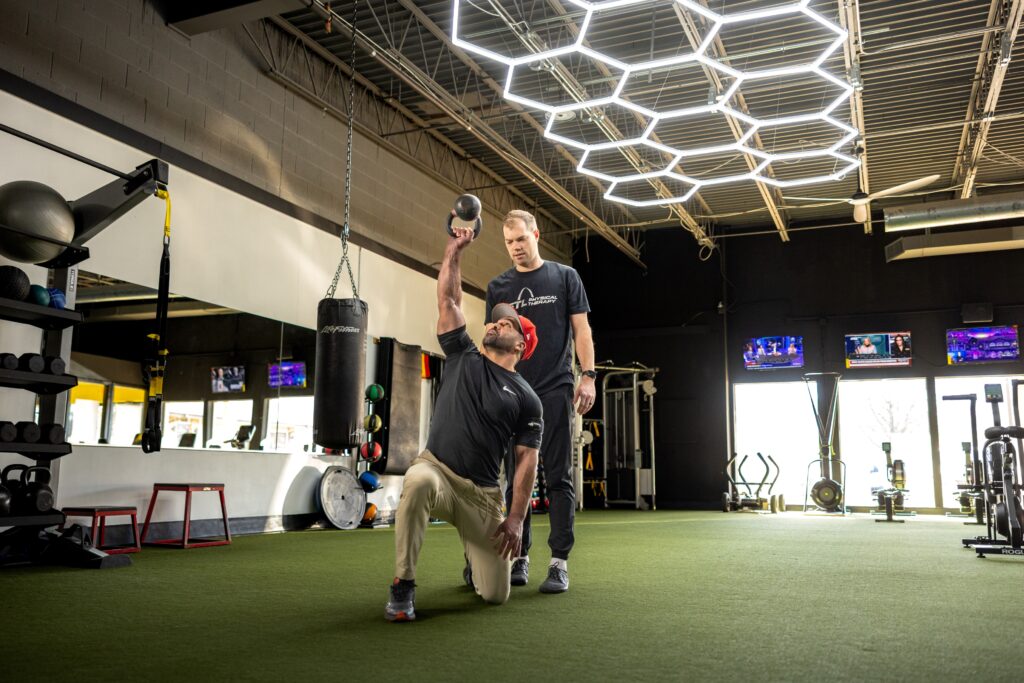
No two people move exactly alike.
That is why individualized care is one of the most important aspects of injury prevention.
Rather than following a generic exercise routine, physical therapists develop treatment plans based on your goals, sport, movement assessment, and activity level.
Whether you are preparing for a competitive season or simply want to stay active with your family, your program should match your specific needs.
Stay Active With Sports Injury Prevention in St. Louis
The best time to address movement limitations is before they become injuries.
By improving mobility, strength, balance, and movement mechanics, many people can reduce unnecessary stress on their bodies while supporting better performance and long-term health.
At STL Physical Therapy, we help athletes and active individuals identify movement patterns that may contribute to future injuries and create personalized plans designed to keep them moving confidently.
If you want to stay healthy, improve your movement quality, and reduce your risk of injury, sports injury prevention in St. Louis can help you continue doing the activities you enjoy.
Frequently Asked Questions
Can physical therapy help prevent sports injuries?
Yes. Physical therapy can identify movement limitations, muscle imbalances, and mobility restrictions that may increase injury risk. Addressing these issues early may help improve movement efficiency and reduce unnecessary stress on the body.
Do I need to be injured before seeing a physical therapist?
No. Many athletes and active people schedule movement assessments before pain develops. This proactive approach allows therapists to identify potential risk factors and recommend exercises that support healthy movement.
What happens during an injury prevention evaluation?
Your first visit typically lasts about 60 minutes. During the evaluation, your physical therapist will discuss your goals, activity level, and injury history and perform a comprehensive movement assessment that may include mobility, strength, balance, flexibility, and sport-specific movement patterns.
Who can benefit from injury prevention physical therapy?
Anyone who wants to stay active can benefit. This includes youth athletes, recreational athletes, competitive athletes, runners, golfers, tennis players, baseball players, and people returning to activity after a previous injury.
How often should I have a movement assessment?
The answer depends on your goals and activity level. Many athletes benefit from periodic assessments throughout the year, especially before a new season, after increasing training intensity, or when returning from an injury.
Ready to Move Better Before Pain Slows You Down?
You do not have to wait for an injury to take your movement seriously. A personalized assessment can help identify opportunities to improve mobility, strength, and movement quality before pain affects your performance.
Schedule your evaluation with STL Physical Therapy today and discover how our sports injury prevention in St. Louis programs can help you stay active, move confidently, and perform at your best.