Baseball pitchers place tremendous demands on their bodies throughout the season. Every throw requires the shoulder, elbow, shoulder blade, trunk, and hips to work together at high speeds. While many athletes focus on strength and velocity, one of the most overlooked aspects of performance and durability is maintaining healthy shoulder internal rotation and overall range of motion.
For many players, especially pitchers, baseball pitcher rehab often begins with understanding how range of motion changes from Opening Day through the final game of the season. Mobility does not stay the same throughout the year, and repetitive throwing can create changes that affect recovery, performance, and injury risk.
Understanding these changes and addressing them early is an important part of baseball pitcher rehab and long-term arm health.
Why Range of Motion Matters for Baseball Players
Range of motion refers to how far a joint can move in different directions. For pitchers, shoulder mobility is especially important because the throwing motion places the arm in extreme positions repeatedly.
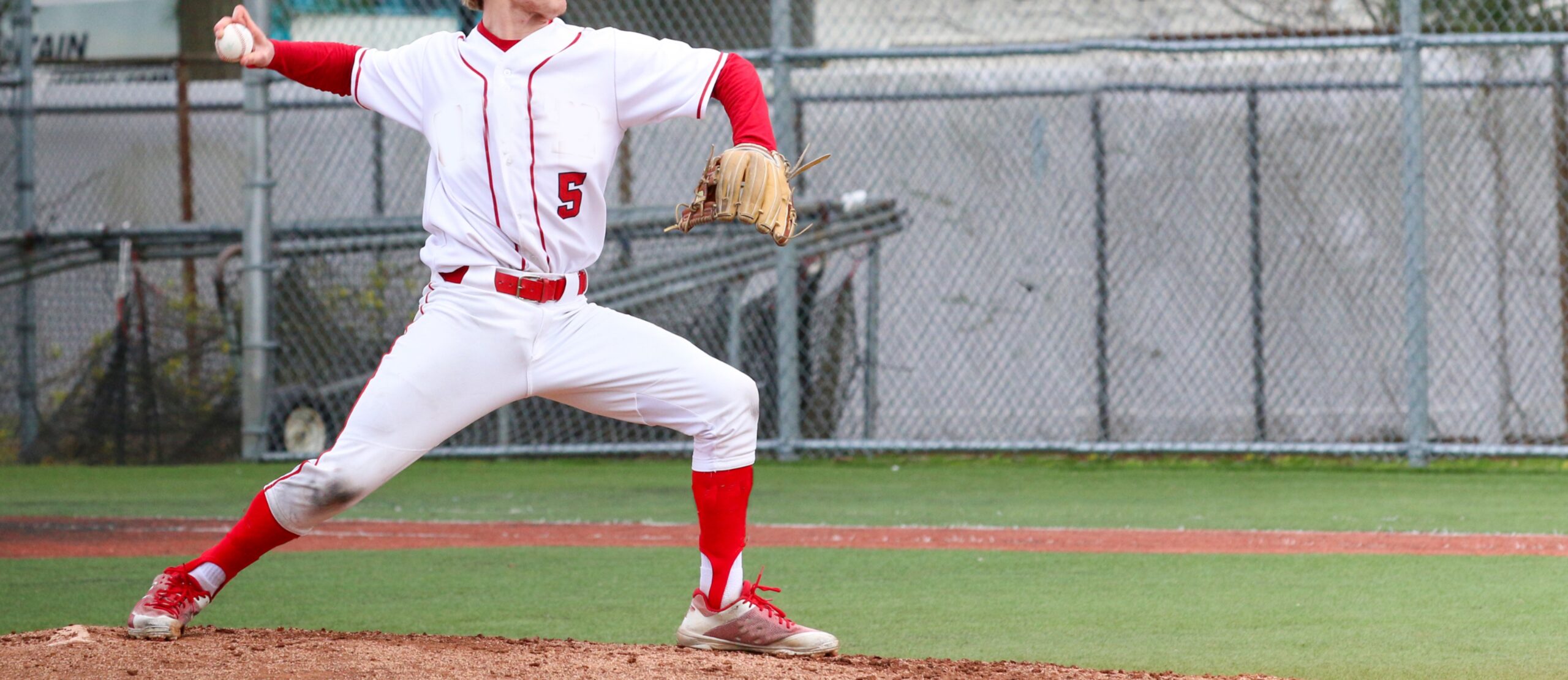
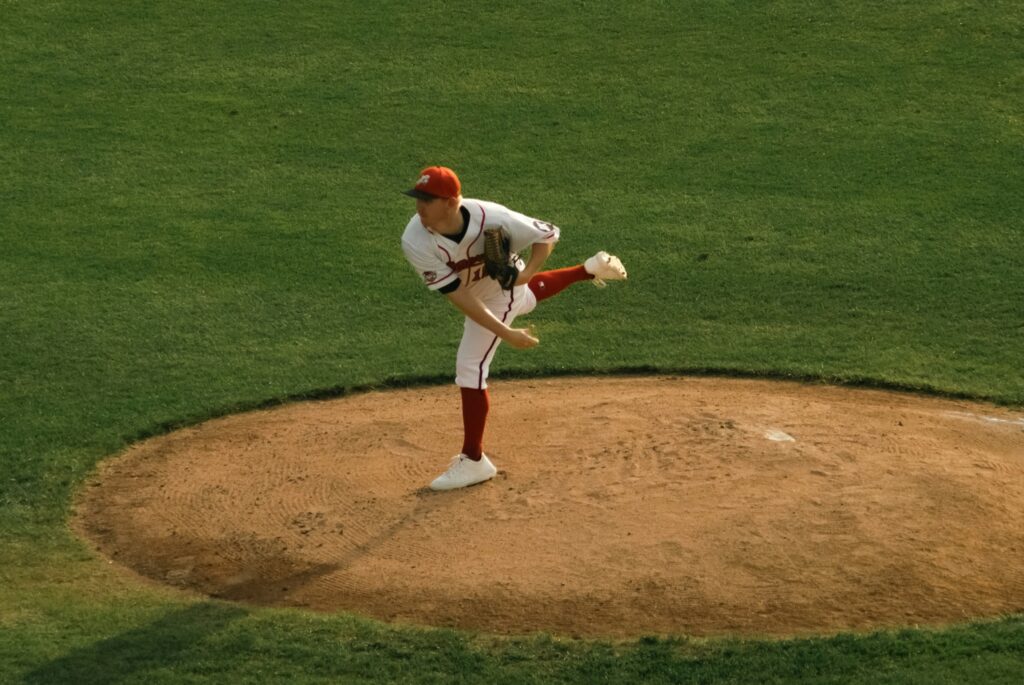
During the pitching motion, the shoulder can externally rotate to nearly 180 degrees before rapidly accelerating toward ball release. During the acceleration phase, the shoulder internally rotates at approximately 7,000 degrees per second, making it one of the fastest movements in all of sports. What is often overlooked is that the arm must then be decelerated immediately after ball release. The muscles of the shoulder and upper arm are responsible for slowing the arm down after every pitch, and this process occurs hundreds or even thousands of times throughout a season.
These repetitive forces place significant stress on the muscles, tendons, ligaments, and joint structures of the throwing arm. Over time, the demands of both accelerating and decelerating the arm can influence shoulder internal rotation, tissue quality, recovery, and movement efficiency. This is one reason why monitoring range of motion throughout the season is so important for both performance and long-term arm health.
Not Every Range of Motion Change Is Bad
One of the biggest misconceptions in baseball is that every change in mobility is a problem.
Many pitchers develop sport-specific adaptations over years of throwing. For example, it is common for the throwing shoulder to gain external rotation while losing some internal rotation compared to the non-throwing shoulder.
These adaptations are not necessarily harmful. In fact, some may contribute to improved pitching performance.
Problems typically arise when mobility continues to decline beyond an athlete’s normal baseline or when changes in motion are accompanied by pain, stiffness, reduced velocity, loss of command, or difficulty recovering between outings.
The goal is not to make every pitcher move exactly the same. The goal is to understand what is normal for that athlete and identify changes that may increase injury risk or affect performance.
How Shoulder Internal Rotation Changes During the Season
Research has shown that pitchers can experience measurable losses in shoulder internal rotation after throwing sessions.
In one study, pitchers demonstrated an average loss of nearly 10 degrees of shoulder internal rotation following a pitching outing. Some of these mobility changes were still present 24 hours later.
While this may not seem like a major change, these restrictions can accumulate throughout a season.
Small losses in mobility may influence:
- Recovery between outings
- Throwing mechanics
- Shoulder loading patterns
- Elbow stress
- Overall performance
Not every pitcher will experience the same changes. That is why individualized assessments are so important throughout the season.
Ideally, pitchers should have baseline mobility measurements taken before the season begins. Comparing an athlete’s current range of motion to their own baseline is often more valuable than comparing them to another player. Some throwing adaptations may actually support performance, and removing those adaptations unnecessarily could negatively affect how an athlete performs on the mound.
Why These Changes Happen
Several factors may contribute to reductions in shoulder internal rotation throughout the season.
One reason is the tremendous workload placed on the muscles responsible for decelerating the arm after ball release. The muscles in the back of the shoulder work exceptionally hard during this phase of pitching and often develop increased tension and stiffness.
Another contributing factor may be tightness in the posterior shoulder capsule. The posterior capsule is located at the back of the shoulder joint and may gradually become less mobile as repetitive throwing stresses accumulate.
When mobility is lost in either the surrounding soft tissues or the shoulder capsule, shoulder internal rotation may become restricted.
These changes do not automatically indicate an injury, but they can create movement limitations that increase stress on the throwing arm over time.
How Shoulder Mobility Can Affect Elbow Health
The shoulder and elbow function as a connected system during the throwing motion.
When shoulder internal rotation becomes restricted, the body often looks for movement elsewhere to complete the throw. In many cases, this compensation places additional stress on the elbow.
Over time, altered mechanics may contribute to:
- Medial elbow pain
- Flexor tendon irritation
- Increased strain on the ulnar collateral ligament
- Overuse-related elbow symptoms
Maintaining healthy shoulder mobility is not only important for shoulder health. It may also help reduce unnecessary stress on the elbow throughout a long season.
The Often Overlooked Role of the Shoulder Blade
When people think about shoulder mobility, they often focus only on the shoulder joint itself.
However, the shoulder blade, also known as the scapula, plays a major role in throwing performance and shoulder health.
The scapula serves as the foundation for shoulder movement. Before the arm can move efficiently, the shoulder blade must provide a stable base for force production and movement.
For baseball players, proper scapular function helps:
- Support healthy shoulder mechanics
- Improve arm positioning during the throwing motion
- Create a stable base for force production
- Reduce unnecessary stress on the rotator cuff and labrum
- Improve movement efficiency
When the shoulder blade is not moving or positioning itself effectively, the shoulder often has to compensate.
During an evaluation, therapists may assess resting scapular position, scapular upward rotation, and how closely the shoulder blade sits against the rib cage. Significant deviations from normal positioning may influence shoulder mechanics and contribute to inefficient movement patterns during throwing.
Many cases of shoulder pain are not solely caused by the shoulder itself. They are influenced by how the shoulder blade, upper back, and surrounding muscles work together.
This is one reason scapular assessment is an important component of baseball pitcher rehab.
Shoulder Health Starts Below the Shoulder
Throwing is a full-body movement.
Although shoulder mobility receives a great deal of attention, the hips, trunk, and upper back also play critical roles in force production and energy transfer.
The thoracic spine, or upper back, must rotate efficiently to allow pitchers to generate power while reducing stress on the throwing arm. Likewise, the hips contribute significantly to force generation during the pitching delivery.
When mobility is limited in these areas, the shoulder and elbow may be forced to absorb additional stress.
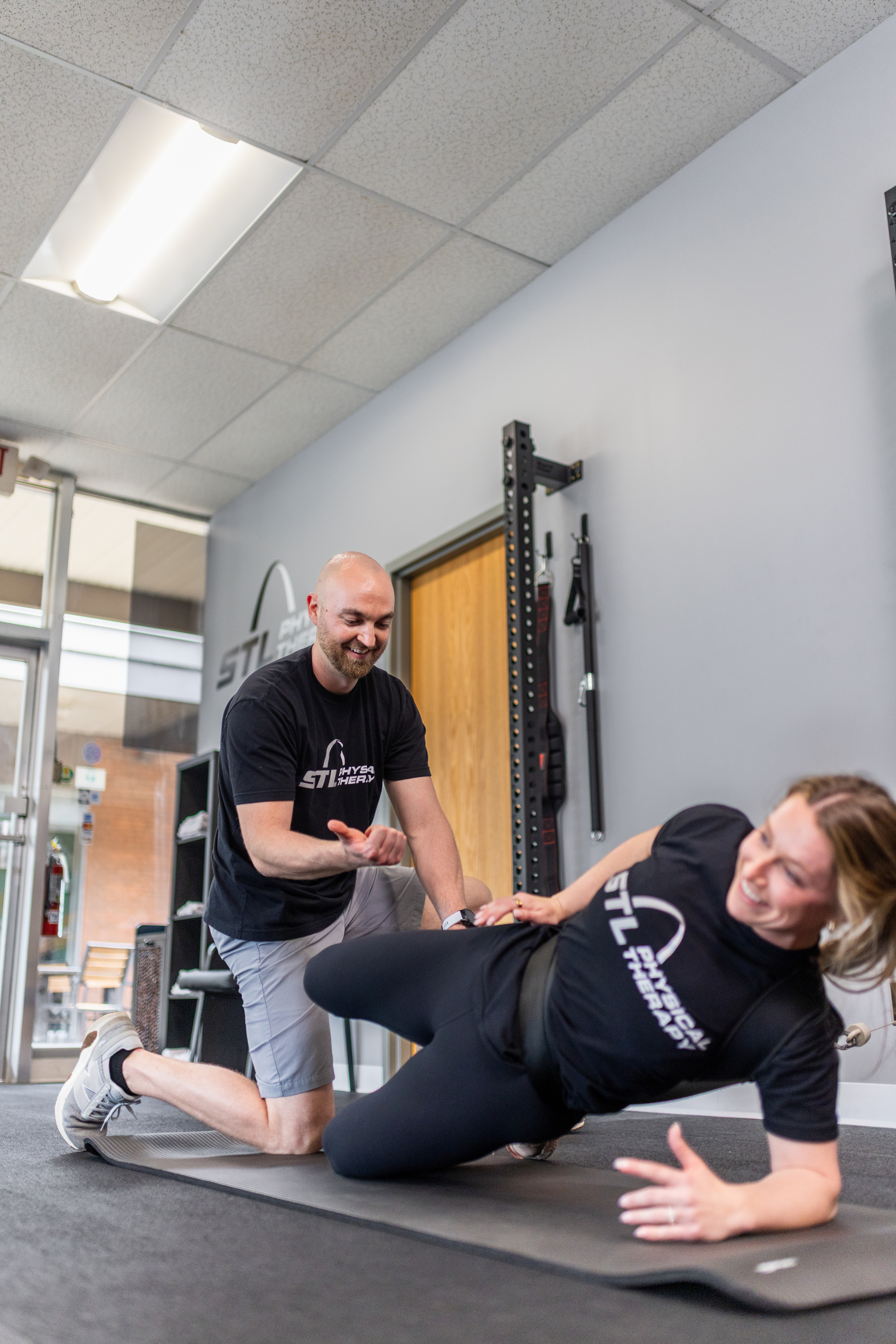
At STL PT, baseball physical therapy evaluations often include assessments of the hips, thoracic spine, core, and lower body because improving shoulder health frequently requires looking beyond the shoulder itself.
Signs Your Range of Motion May Be Changing
Baseball players often assume soreness and stiffness are simply part of the season.
While some fatigue is expected, certain warning signs should not be ignored.
Common signs that range of motion may be declining include:
- Increased shoulder tightness after throwing
- Difficulty recovering between outings
- Loss of throwing velocity
- Reduced command or accuracy
- Persistent soreness
- A feeling that the arm is heavy
- Changes in throwing mechanics
- Shoulder discomfort during or after throwing
These symptoms may indicate that mobility, strength, recovery, or workload management should be evaluated.
What Happens When Mobility Loss Is Ignored?
Small mobility losses may not seem significant immediately after a game or bullpen session.
However, when these changes accumulate over weeks and months, pitchers may begin experiencing:
- Increased arm fatigue
- Longer recovery times
- Reduced velocity
- Loss of command
- Shoulder discomfort
- Elbow soreness
- Compensatory movement patterns
- Increased injury risk
Many overuse injuries do not result from a single throw. They often develop gradually when repetitive stress combines with movement restrictions that continue to worsen throughout the season.
Addressing mobility changes early is often easier than managing a more significant injury later.
Baseball Pitcher Rehab Strategies for Maintaining Range of Motion
The good news is that mobility changes are often manageable when identified early.
A comprehensive baseball pitcher rehab and performance program may include several key components.
Mobility Restoration
Pitchers frequently develop restrictions in the muscles and connective tissues surrounding the shoulder throughout the season.
Targeted mobility exercises, manual therapy, and individualized stretching programs can help restore motion where it is needed while preserving beneficial throwing adaptations.
Soft Tissue Management
The muscles responsible for slowing the arm down often become tight and overworked.
Research suggests that the shoulder external rotators and elbow flexors, which help decelerate the arm after ball release, may develop increased stiffness following pitching. This increased tension can contribute to temporary losses in shoulder internal rotation and elbow extension. Addressing these soft tissue changes through recovery strategies may help athletes restore mobility more effectively between outings.
Addressing tissue quality through hands-on treatment, recovery strategies, and mobility work can help reduce excessive stiffness and improve recovery between outings.
Scapular Strength and Control
Strong and coordinated scapular muscles help create a more stable foundation for throwing.
Improving scapular control can support healthy shoulder mechanics while reducing unnecessary stress on the arm.
Rotator Cuff Strengthening
The rotator cuff plays a critical role in controlling and decelerating the arm during pitching.
Targeted strengthening can improve shoulder resilience and help prepare the arm for the demands of competition.
Recovery Between Outings
Recovery is not simply about reducing soreness.
For pitchers, recovery helps maintain the mobility, strength, and movement quality needed for consistent performance throughout the season.
Many baseball players use physical therapy to reduce soreness, improve recovery between outings, and address mobility restrictions before they begin affecting performance.
Workload Monitoring
One factor that is often overlooked is workload management.
Pitch counts, throwing volume, recovery time between outings, showcases, travel ball participation, and year-round competition can all influence how well a pitcher recovers during the season.
Monitoring workload alongside mobility and strength can help identify potential issues before they lead to performance declines or injuries.
In-Season and Off-Season Goals Are Different
Mobility goals often change throughout the year.
During the season, the primary objective is maintaining shoulder internal rotation, supporting recovery, managing workload, and preserving performance.
The off-season often provides a greater opportunity to address long-standing movement limitations, improve strength, and build physical capacity for the following year.
This is also when many athletes can make meaningful improvements in shoulder mobility, scapular strength, rotational power, and overall movement quality without the physical demands of a competitive schedule.
Understanding these differences allows athletes to focus on the right priorities at the right time.
Do Youth Pitchers Experience These Changes Too?
Yes. Although youth athletes may not throw with the same velocity as older pitchers, repetitive throwing can still lead to measurable mobility changes over the course of a season.
Monitoring shoulder mobility, recovery, throwing volume, and overall workload can help identify issues before they become larger problems.
Developing healthy movement habits at a young age may help support long-term arm health as athletes progress to higher levels of competition.
Parents and coaches should pay close attention to persistent soreness, declining performance, or difficulty recovering between outings, as these may be early signs that an athlete would benefit from further evaluation.
Why Monitoring Matters Throughout the Season
One of the biggest mistakes baseball players make is waiting until pain develops before addressing mobility changes.
By the time discomfort appears, movement restrictions and compensations may have been developing for weeks or months.
Regular assessments throughout the season can help identify:
- Changes in shoulder internal rotation
- Scapular movement limitations
- Strength deficits
- Recovery concerns
- Early signs of overuse
Addressing these findings early often allows athletes to continue competing while minimizing the risk of more significant issues later in the season.
This proactive approach is one of the most valuable aspects of baseball pitcher rehab, especially for athletes who want to stay healthy throughout a long season.
Athletes participating in multiple sports throughout the year may also benefit from sports-specific physical therapy to address movement limitations and reduce injury risk.
Keep Your Arm Healthy All Season Long
Changes in shoulder internal rotation and range of motion are common throughout the baseball season, especially for pitchers. While some adaptations are expected, significant mobility losses can affect recovery, performance, and long-term shoulder health.
At STL Physical Therapy, we help baseball players identify movement limitations, improve shoulder mobility, optimize scapular function, restore strength, reduce soreness, recover faster between outings, and support long-term performance. Whether you are experiencing stiffness, discomfort, or simply looking to stay ahead of potential issues, our baseball pitcher rehab approach is designed to help you stay healthy and perform at your highest level throughout the season.
Schedule your baseball pitcher rehab evaluation with STL Physical Therapy today and learn how improving shoulder internal rotation and managing in-season mobility changes can help keep you on the mound longer.