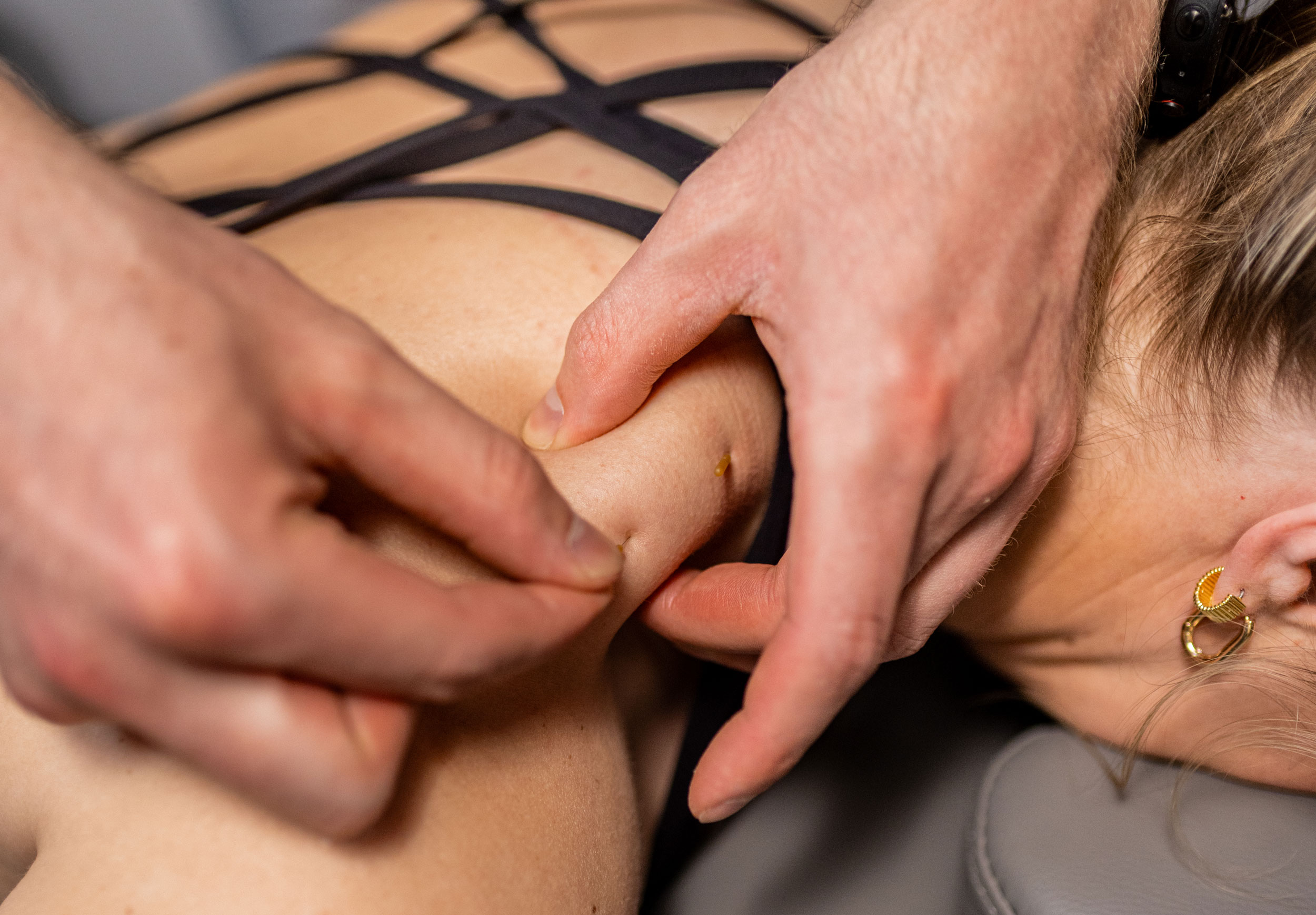
If you have been exploring options for muscle pain, tightness, or trouble moving, you have likely come across both dry needling and acupuncture.
At first glance, they might seem very similar. Both treatments use thin needles. Both aim to help with pain. And both are growing in popularity within modern healthcare.
But here is the simple truth. Dry needling and acupuncture are not the same thing. They come from different histories, follow different ideas, and are used for different reasons. Understanding these differences can help you feel more confident about the care you choose.
At STL Physical Therapy, we believe in giving you clear, honest information so you can decide what is best for your body.
The Short Answer: What Is the Difference?
When people ask about dry needling vs acupuncture, they usually want to know one simple thing. Are these treatments basically the same?
They are not.
Acupuncture is rooted in traditional Chinese medicine and focuses on balancing your body’s energy flow.
Dry needling is based on modern anatomy and physical therapy principles, directly addressing muscle and tissue problems.
Both can be effective. They just approach the body in very different ways.
Origins and Philosophy
Acupuncture: A Traditional, Whole-Body Approach
Acupuncture has been practiced for thousands of years as a core part of traditional Chinese medicine. It is built on the idea that your body has an energy system, often called “qi,” that moves through specific pathways known as meridians.
When this energy becomes blocked or out of balance, you might experience symptoms like pain or illness. Acupuncture aims to restore that balance by placing needles at precise points along these pathways.
This approach often looks at your body as a complete system. It can be used for pain, stress, digestive issues, sleep problems, and many other concerns.
Dry Needling: A Modern, Muscular Approach
Dry needling is a much newer technique, developed from Western medicine and physical therapy. It is firmly based on understanding anatomy, how your body moves, and how muscles and nerves work.
Instead of focusing on energy flow, dry needling directly targets trigger points. These are tight, sensitive spots within muscles that can cause pain or limit your movement.
The goal is straightforward. Improve how the muscle works, reduce pain, and bring back normal movement.
Who Performs Each Treatment?
One of the most important distinctions between acupuncture and dry needling is who is trained to perform each technique.
Acupuncture Providers
Acupuncture is typically performed by licensed acupuncturists who have completed specialized education in traditional Chinese medicine. In some situations, medical doctors or chiropractors may also offer acupuncture if they have earned the necessary certifications.
Dry Needling Providers
Dry needling is performed by licensed healthcare professionals such as physical therapists who have completed advanced training in the technique.
At STL Physical Therapy, dry needling is always performed by trained physical therapists who deeply understand:
- Muscle anatomy
- Movement patterns
- How injuries happen
- Rehabilitation strategies
This understanding is important because dry needling is often used as part of a larger treatment plan that includes exercises, mobility work, and hands-on therapy.
How Each Works Mechanically
Even though both treatments use thin needles, what they are actually doing inside your body is quite different.
How Acupuncture Works
Acupuncture works by stimulating specific points along your body’s meridians. From a modern scientific view, research suggests that acupuncture may:
- Influence your nervous system.
- Increase blood flow.
- Trigger the release of your body’s natural pain-relieving chemicals.
- Help you relax.
This is one reason acupuncture is often used for both physical and stress-related conditions.
How Dry Needling Works
Dry needling focuses directly on muscle tissue and trigger points.
When a needle is placed into a tight band of muscle, it can create a small local twitch response. This is a positive sign. It means the muscle is reacting and starting to release tension.
From a physical therapy point of view, dry needling can:
- Reduce muscle tightness.
- Improve blood flow to the area.
- Decrease how sensitive you are to pain.
- Restore normal muscle activation.
Simply put, it helps reset the muscle so it can function the way it should.
What Each Is Best Suited For
If you are wondering if dry needling is the same as acupuncture, the answer becomes even clearer when you look at how each is typically used.
When Acupuncture May Be a Good Fit
Acupuncture can be helpful for a wide range of conditions, including:
- Long-lasting pain
- Stress and anxiety
- Headaches
- Sleep difficulties
- General wellness support
It is often chosen by people who are looking for a more holistic, whole-body approach to their health.
When Dry Needling May Be a Better Fit
Dry needling is typically used for problems related to your muscles, especially those involving muscle dysfunction.
It can be very effective for:
- Muscle tightness and knots
- Sports injuries
- Neck and back pain
- Shoulder and hip pain
- Limits in movement
At STL Physical Therapy, we often use dry needling as part of a complete treatment plan designed to help you move better and feel stronger.
Can You Use Both?
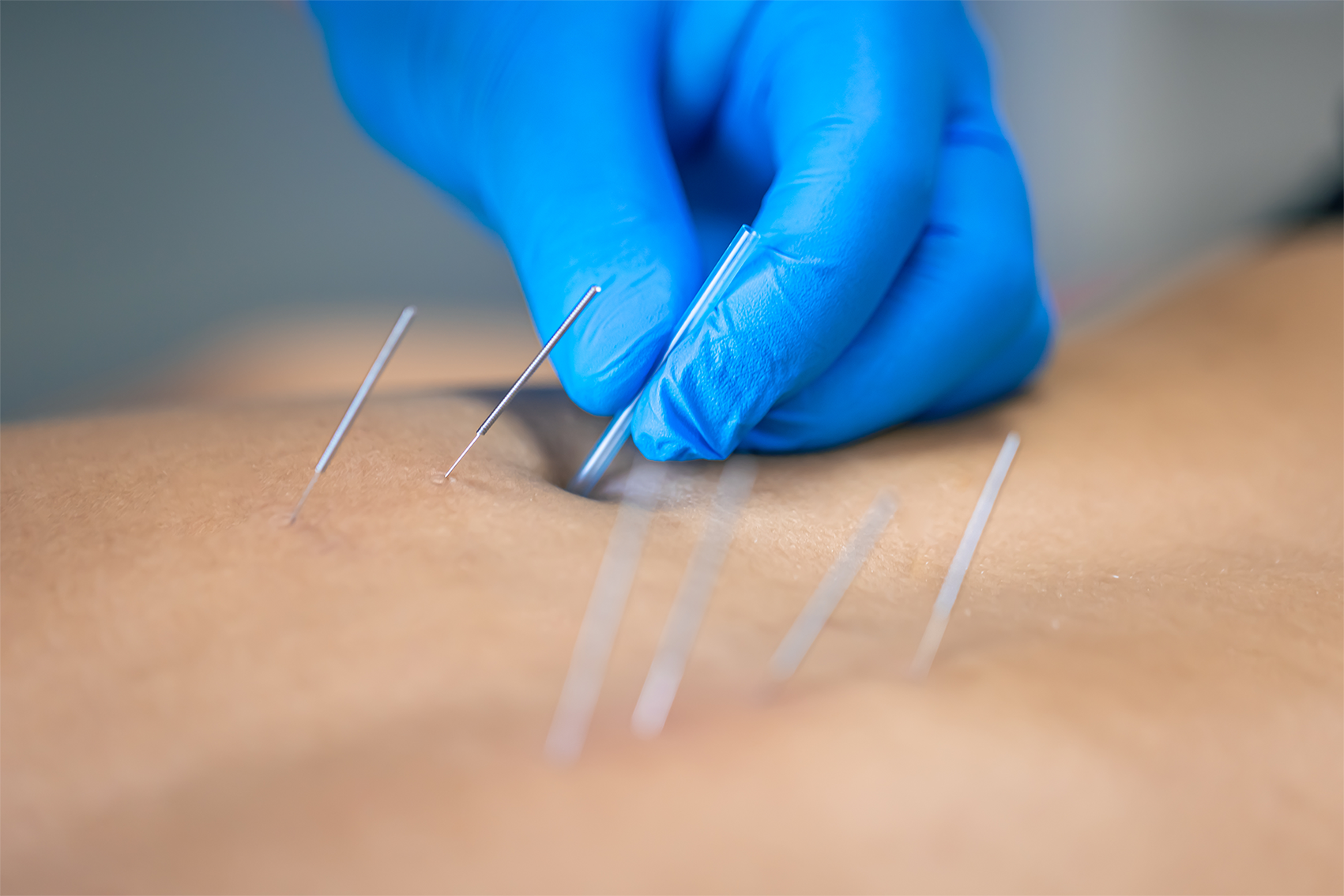
Yes, and in some situations, combining them can make a lot of sense.
Dry needling and acupuncture are not competing treatments. They are simply different tools available to help you.
Some people benefit from acupuncture for overall wellness or stress management, while also using physical therapy and dry needling to address specific movement or pain issues.
The key is to understand your main goal.
If your main concern is muscle pain or problems with movement, dry needling within physical therapy is often the most direct approach.
If you are looking for a broader, whole-body treatment for general wellness, acupuncture may be a better fit.
In some cases, using both can offer a more complete approach to your care.
How We Use Dry Needling at STL Physical Therapy
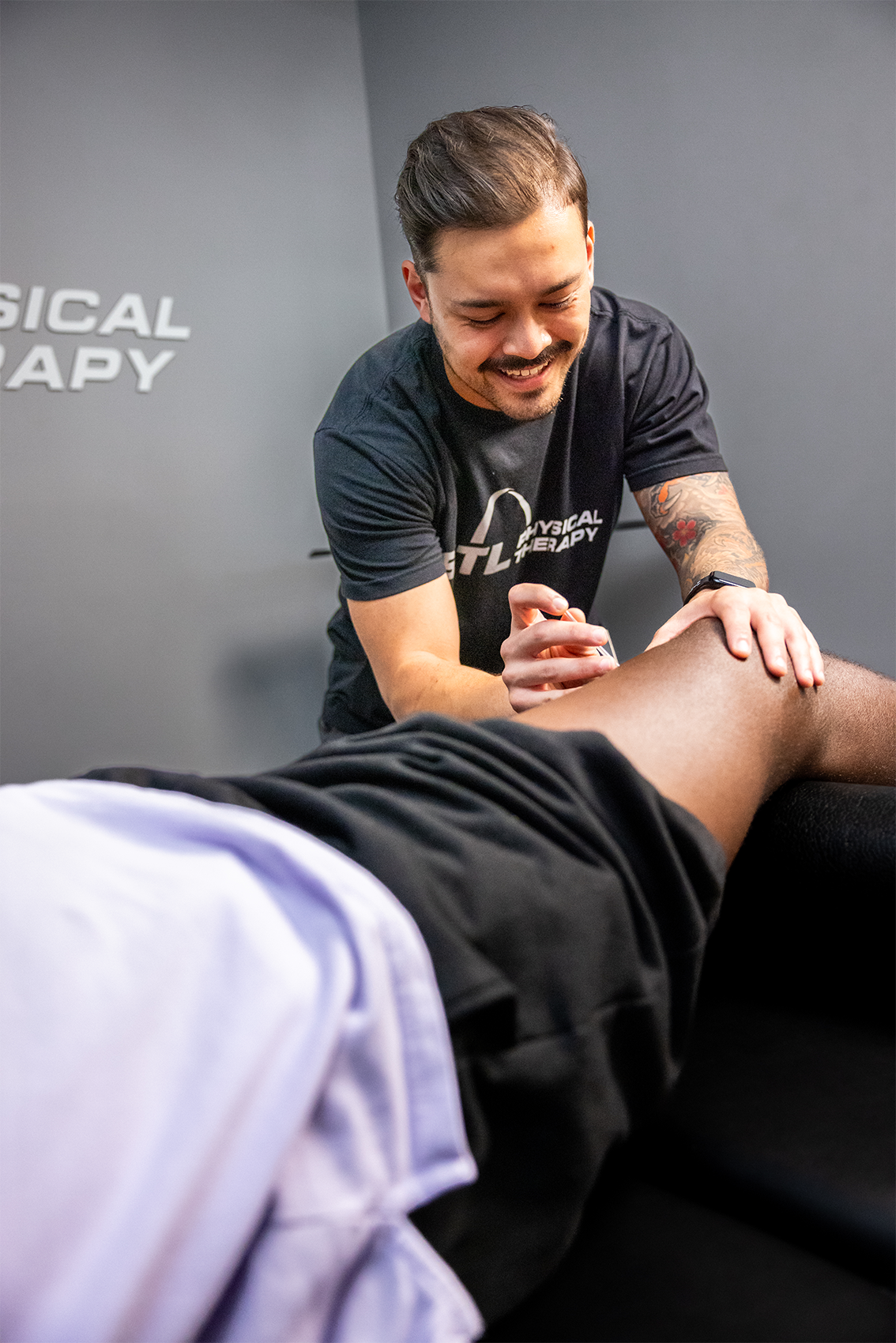
At STL Physical Therapy, our dry needling treatments are never used by themselves. It is always part of a bigger plan focused on helping you move better and stay active.
If you are a new client, we require a full 60-minute evaluation. This allows us to fully understand your pain, how you move, and what your goals are before starting any treatment.
For follow-up visits, we offer both 60-minute and 30-minute sessions. In shorter 30 minute sessions, the focus is typically on manual therapy, which may include dry needling.
That said, we generally recommend 60-minute follow-up sessions whenever possible. This gives us the time to incorporate more than just needling, including movement and exercise, which are key to making the changes stick.
We always encourage some form of exercise alongside dry needling. This helps your body adapt, reinforces better movement, and leads to longer-lasting results.
Here is what that typically involves:
- Evaluation (60 minutes)
We take the time to fully understand your symptoms, movement patterns, and goals. - Targeted Treatment (30 or 60-minute follow-up sessions)
Dry needling is used to address specific muscle tightness or dysfunction, often as part of hands-on care. - Movement and Strength Work (primarily in 60-minute sessions)
We follow it up with exercises to support better movement, strength, and control. - Long-Term Strategy
The goal is not just short-term relief but lasting results that keep you moving well.
Is One Better Than the Other?
This is a common question, but it is not really the best way to think about it.
Neither treatment is always better than the other. It simply depends on what you need.
Acupuncture offers a broad, system-wide approach.
Dry needling offers a targeted, muscle-specific approach.
Both can be valuable when used in the right situation.
Frequently Asked Questions: Dry Needling vs Acupuncture
- Is dry needling the same as acupuncture?
No. While both use similar thin needles, dry needling is based on modern anatomy and targets muscle dysfunction. Acupuncture is based on traditional Chinese medicine and focuses on energy flow.
- Does dry needling hurt more than acupuncture?
Both treatments use very thin needles and are generally well tolerated. Dry needling may create a brief muscle twitch or soreness. Acupuncture is often described as a more relaxing experience.
- Which is more effective for muscle pain?
Dry needling is typically more direct for muscle-related pain because it specifically targets trigger points and muscle tightness.
- Can a physical therapist perform acupuncture?
In most cases, physical therapists perform dry needling, not traditional acupuncture. This is unless they have completed separate acupuncture training and licensure.
- Should I choose dry needling or acupuncture?
It depends on your goals. For movement issues and muscle pain, dry needling within physical therapy is often the most effective option. For broader wellness or stress-related concerns, acupuncture may be a better fit.
Final Thoughts
When it comes to the difference between dry needling and acupuncture, the most important thing to remember is this. They are not the same, but they can both play a valuable role in your health journey.
If your goal is to move better, reduce muscle pain, and get back to the activities you enjoy, dry needling as part of a physical therapy program can be a powerful tool.
Ready to Take the Next Step?
If you are dealing with pain, tightness, or limits in your movement, we are here to help.
At STL Physical Therapy, we focus on finding the root cause of your problem and building a plan that truly works for you.
Reach out to our team to schedule a visit and get a clear plan built around your goals and how you want to move.