

Ever watch a pro golfer and think, Wow, that looks so smooth, so effortless? Well, behind every great golf swing is a body working in perfect harmony. It might look calm on the surface, but golf is a serious workout for your body.
Think about it, all that twisting, turning, and powering through your swing. It demands a lot from you, and when one part of your body isn’t quite pulling its weight, others must pick up the slack. Over time, this can lead to aches, pains, and even injuries that keep you from enjoying your time on the green.
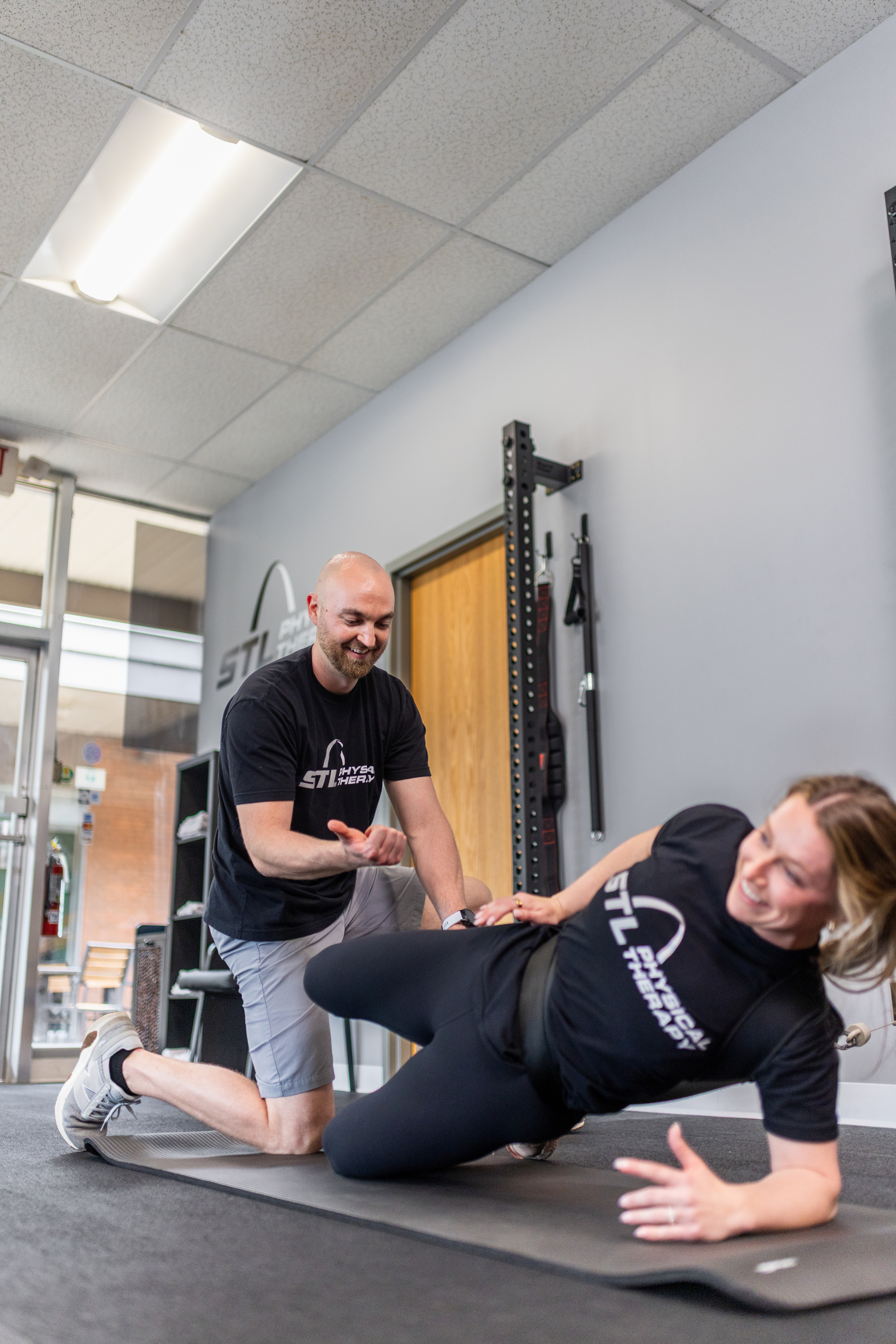
Here at STL Physical Therapy, we get it. We see active folks and athletes all over the St. Louis area, many of whom are golfers just like you who want to feel better, move better, and keep playing the game they love for years to come. We offer specialized physical therapy for golfers that goes way beyond just fixing injuries. We focus on getting your whole body moving right, boosting your mobility, and making sure you’re ready for all the physical demands of a golf swing.
And here’s a secret many golfers don’t know: you don’t have to be in pain to benefit from physical therapy. A lot of our golfing clients come in specifically to prevent problems, fine-tune their swing, and keep their bodies in tip-top shape.
Why Golfers Sometimes End Up on the Bench
Your golf swing is like a perfectly choreographed dance. It’s one of the most complex moves in sports: a rapid rotation of your body, a symphony of muscles working together, and a whole lot of force going through you.
Each swing might only last a few seconds, but imagine doing that a hundred times in a round, then over an entire season. That stress really adds up. If your body isn’t quite as mobile or stable in certain spots, other joints end up taking on more stress than they should.
For golfers, three areas often bear the brunt of it:
Your Hips: The Powerhouse
Your hips are super important for generating power and letting your body twist and turn smoothly during your swing. If your hips are stiff or you can’t move through their full range, it can really mess with your backswing and follow-through. This often forces your lower back to twist more than it should.
And what happens then? Low back pain. Improving your hip mobility for golf is one of the best ways to take the pressure off your spine and get your body moving efficiently again.
Your Lower Back: The Overworked Hero
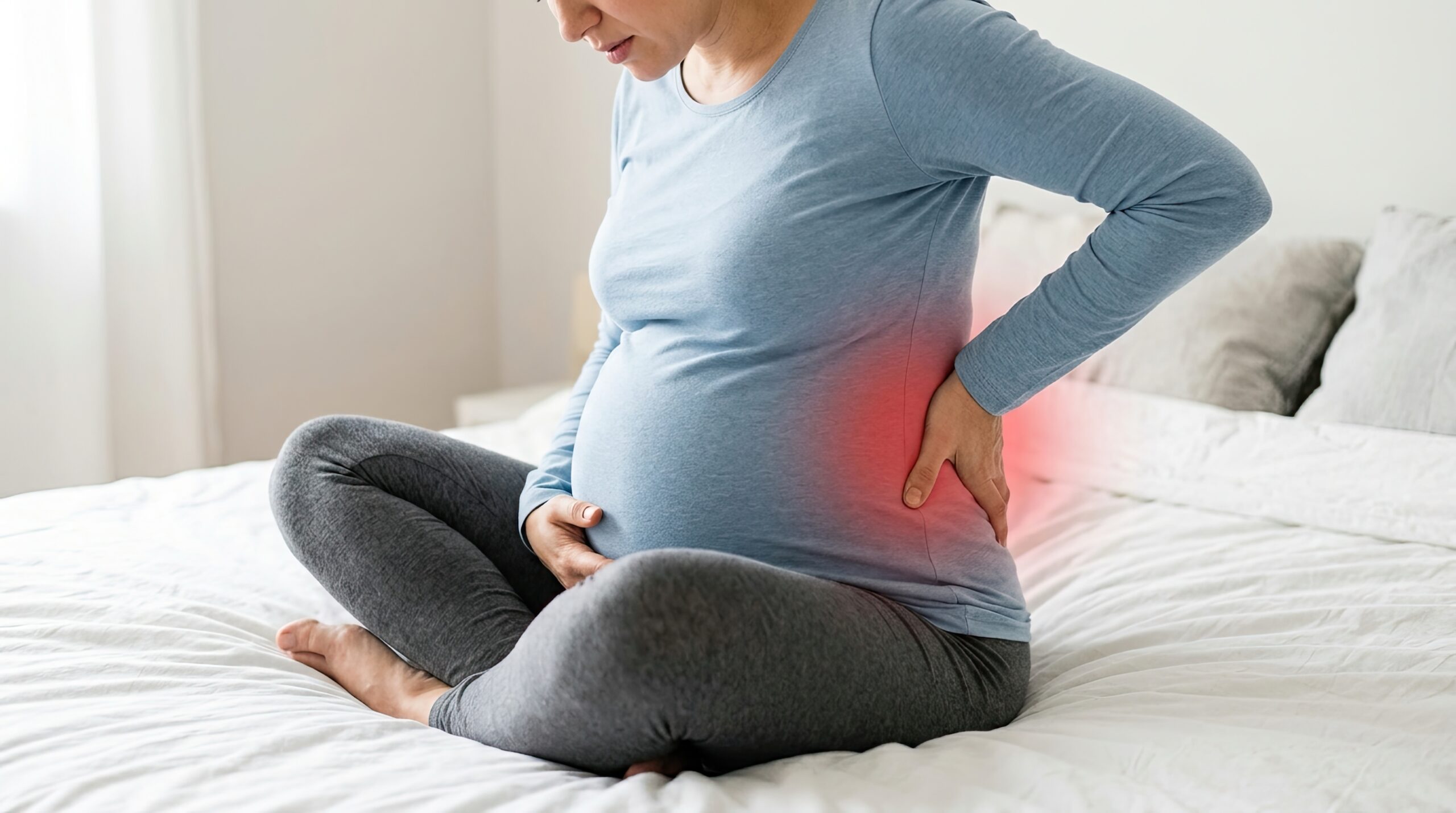
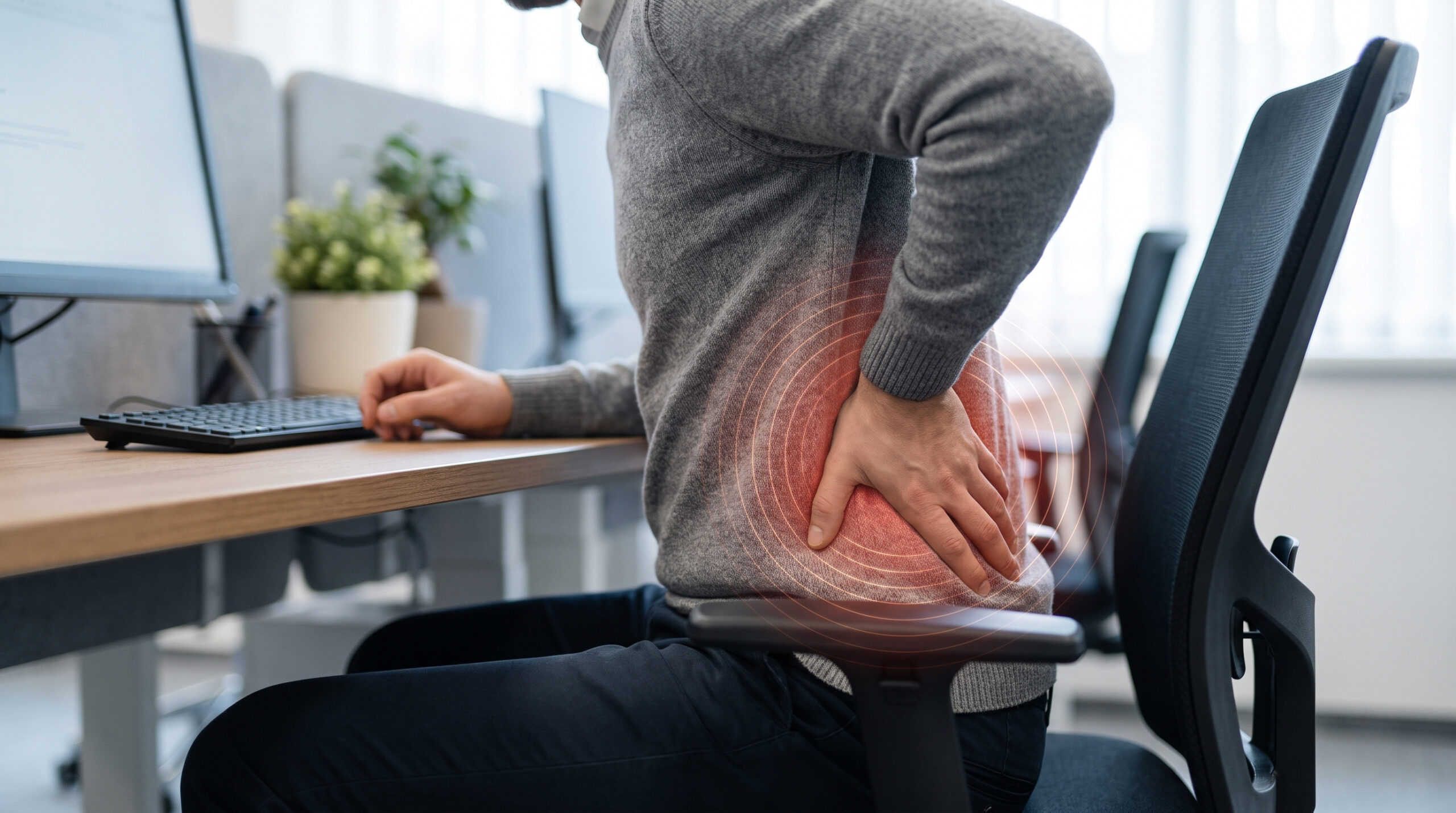
Low back pain is practically a badge of honor for some golfers, but it doesn’t have to be. The constant twisting motion of a golf swing places a lot of rotational force on your spine.
If your hips or upper back are tight, your lower back ends up doing most of the work. This repetitive stress can lead to muscle strains, irritated joints, and that nagging discomfort that just won’t quit.
Your Elbow: The Gripping Issue
Golfer’s elbow is another common complaint, especially if you’re hitting a lot of balls or suddenly playing more often. This happens when the tendons on the inside of your elbow get irritated from all that repetitive gripping and swinging.
Now, while it’s called golfer’s elbow, the real culprit is usually not just your elbow itself, but rather how that force is distributed throughout your entire swing.
The Three Pillars of a Healthy Golf Swing
A great golf swing, a truly efficient and healthy one, relies on three key physical qualities. When your body has the mobility and strength to nail these, you typically see better performance and fewer injuries.
Rotation: The Twist and Turn
Your golf swing is all about rotation. Your hips and upper back should spin smoothly while your lower body remains grounded and stable.
If your rotation is limited, golfers often compensate by overusing their lower back or arms. Physical therapy helps restore that natural mobility so your body can rotate freely and easily during the swing.
Stability: The Solid Foundation
While parts of your body are rotating, others need to stay rock solid. Your core muscles are like the anchor, helping to control your pelvis and spine throughout the swing.
Without good stability, your swing becomes less consistent and puts more stress on your body. Strengthening your core and improving your balance are crucial parts of physical therapy for golfers.
Power Transfer: The Chain Reaction
Think of your golf swing like a perfectly timed chain reaction. Energy starts in your lower body, flows through your hips and torso, and then travels through your arms and into the club.
If there’s a weak link or a restriction in this chain, your entire swing becomes less efficient. Improving the coordination between these areas can mean both more power in your shots and a lower risk of injury.
How Physical Therapy Can Turbocharge Your Swing
Many golfers only think of physical therapy after they’ve gotten hurt. But honestly, it’s an incredibly powerful tool for improving your performance and the quality of your movement.
Golf-focused physical therapy is all about pinpointing those little limitations that might be holding your swing back. Once we address those limitations, golfers often see some amazing improvements.
First off, your mobility gets a serious boost. Tight hips, stiff shoulders, or limited spinal movement can really restrict your golf swing. Targeted mobility work helps you regain that freedom of movement.
Next up, your strength and stability improve. A stronger core and a more stable pelvis allow you to maintain your posture and control during your swing, which is huge for consistency.
Finally, your movement becomes more efficient. When your body moves the way it was designed to, your swing becomes smoother and more repeatable. This means better consistency on the course and less strain on your joints.
Common Golf Injuries We Treat at STL Physical Therapy
Golf injuries usually don’t just appear overnight. Most golfers notice little aches that slowly get more persistent over time.
Catching these issues early on can often prevent them from becoming bigger, more serious problems.
Here are some of the common complaints we help golfers with:
Low Back Pain in Golfers
That repetitive twisting and maybe some tight hips often lead to ongoing low back discomfort. Our treatment focuses on getting your hips and upper spine moving freely again, while also strengthening the muscles that support your lower back.
Hip Pain
Stiff or irritated hips can really limit your ability to rotate and generate power during your swing. Physical therapy can dramatically improve both the mobility and strength in your hip joint.
Golfer’s Elbow
That pain on the inside of your elbow is usually due to all that repetitive stress from gripping and swinging. Treatment might involve strengthening exercises, correcting your movement patterns, and sometimes even techniques like dry needling if it’s the right fit for you.
What a Golf Physical Therapy Evaluation Looks Like
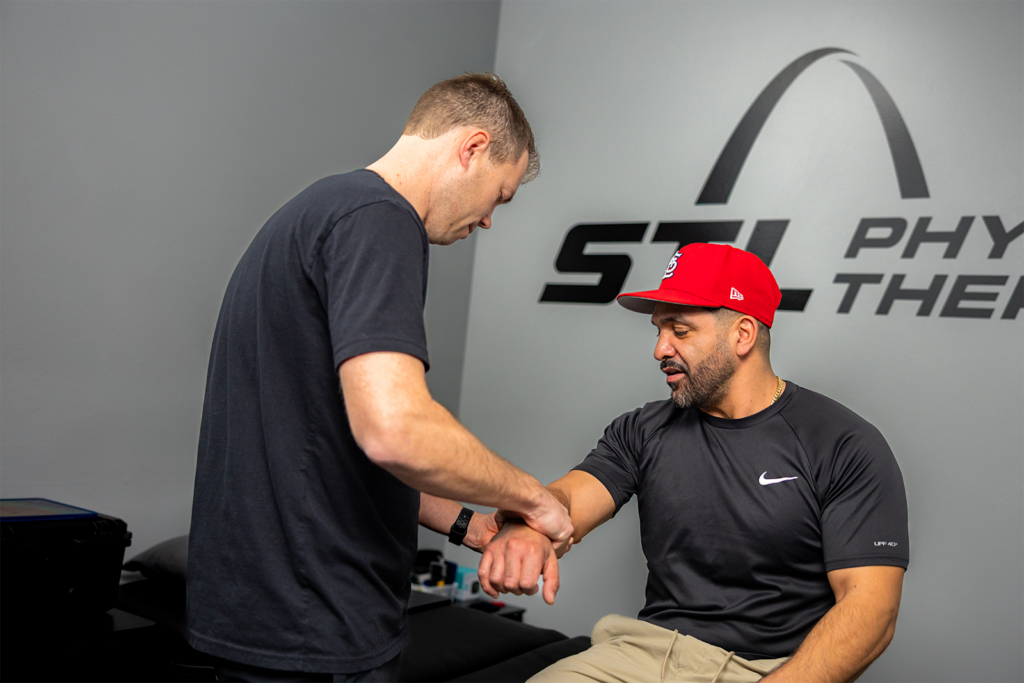
When you come in for a golf-focused physical therapy evaluation with us, we look way beyond just where you feel pain. Our goal is to understand how your entire body moves during golf-specific activities.
At STL Physical Therapy, your evaluation usually includes a few important parts:
First, your physical therapist will do a super detailed movement assessment. This helps us find any limitations in your hips, spine, shoulders, and core.
Next, we check your strength and stability. Golf requires a lot of coordination between different muscle groups, so finding any weaknesses helps us create the best treatment plan for you.
Your therapist will also chat with you about your injury history and what symptoms you’re currently feeling. This helps us understand how your body has adapted over time.
Based on everything we find, we create a personalized plan just for you. This program is all about improving your mobility, building strength, and making sure your body is ready for the physical demands of your golf swing.
You Don’t Need an Injury to Get Ahead with Golf Physical Therapy
Many golfers think physical therapy is only for when pain has already sidelined them. But truly, prevention is one of the most valuable benefits of working with a physical therapist.
Improving your hip mobility, strengthening your core, and correcting any faulty movement patterns can help you move much more efficiently and reduce unnecessary strain on your body.
For many players, this means more consistent swings, more power, and fewer interruptions to their precious time on the course.
Golf is a sport you can enjoy for decades. Taking care of your body is, hands down, one of the best ways to ensure you can keep playing the game you love for a very long time.
FAQs You Might Be Wondering About
Can physical therapy really make my golf swing better?
Absolutely! Physical therapy can boost your mobility, strength, and coordination, all of which directly impact how your body moves during your golf swing. Many golfers notice improved consistency and less strain after we address their physical limitations.
What kind of injuries do golfers usually get?
Common golf injuries include low back pain, hip pain, and golfer’s elbow. These often happen from repetitive movements combined with not enough mobility or strength in certain areas.
Do I have to be injured to see a physical therapist for golf?
Nope, not at all! Many golfers come to us to improve their mobility, prevent injuries, and support better performance, even before any pain starts.
How long does it usually take to recover from a golf injury?
Recovery time really depends on the injury. Minor irritation might feel better in a few weeks, while more stubborn issues could need several weeks of targeted treatment and exercises.
What should I wear to my golf physical therapy evaluation?
Just wear something comfortable that you can move easily in, like athletic shorts or workout pants and a T-shirt. This helps your physical therapist properly check your mobility and movement patterns.
Ready to Book Your Golf Physical Therapy Evaluation in St. Louis?
If you’re a golfer in St. Louis dealing with back pain, tight hips, elbow discomfort, or you simply want to move better and play your best on the course, a golf-focused physical therapy evaluation can make a huge difference.
Here at STL Physical Therapy, our team works with golfers all over the St. Louis area who are looking to improve their mobility, reduce their injury risk, and perform at their peak. During your evaluation, a physical therapist will assess how your body moves, identify any limitations affecting your swing, and create a personalized plan designed just for your goals.
A lot of golfers are genuinely surprised to learn just how much their mobility and strength influence their swing mechanics. Addressing those physical limitations can lead to smoother movement, better consistency, and less stress on your body.
You really don’t need to wait until pain forces you to take time off the course. Physical therapy can help you stay active, prevent injuries, and keep enjoying the game you absolutely love.
Book your golf physical therapy evaluation today, and let’s start building a body that supports a stronger, more efficient golf swing for you!