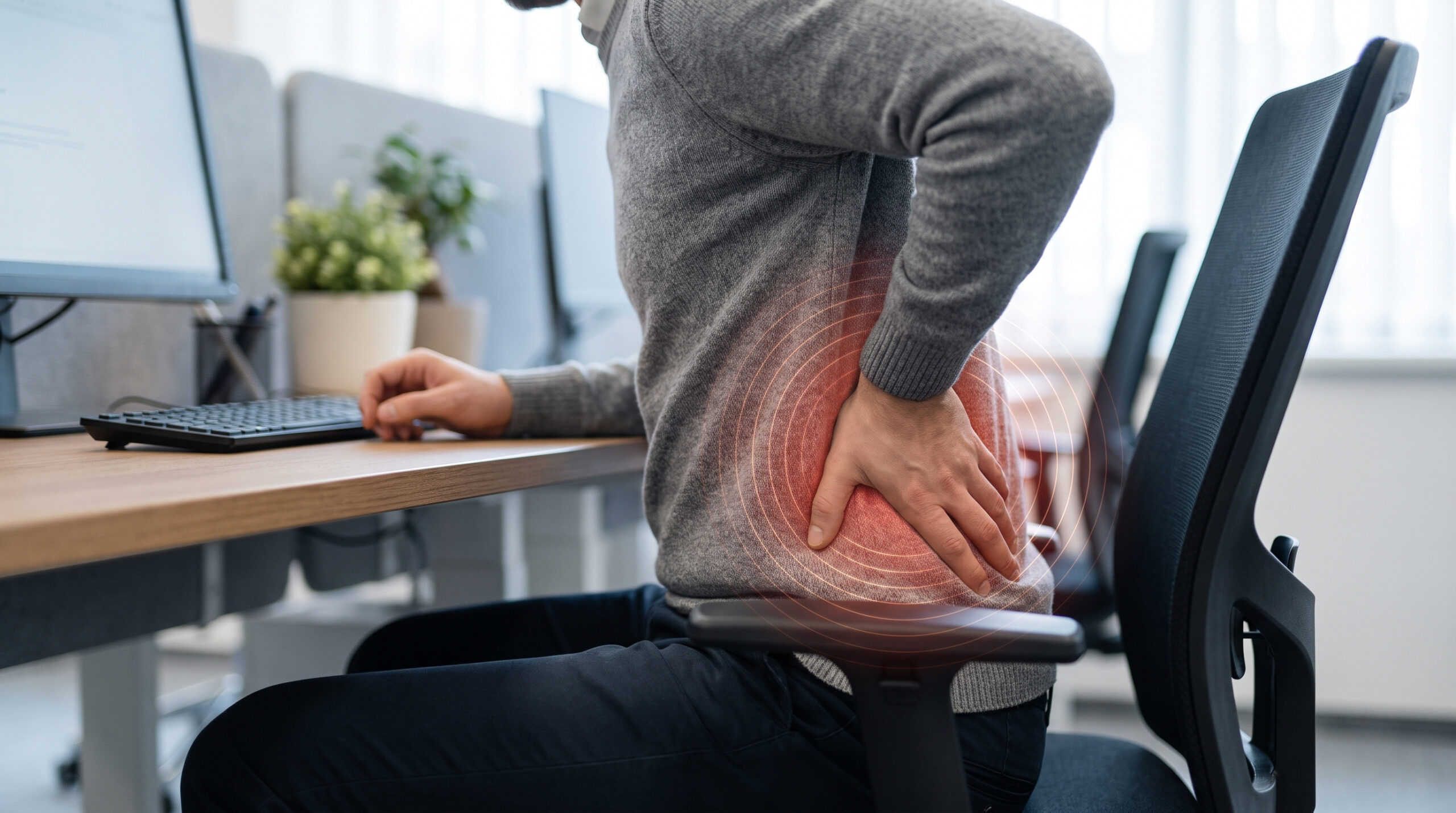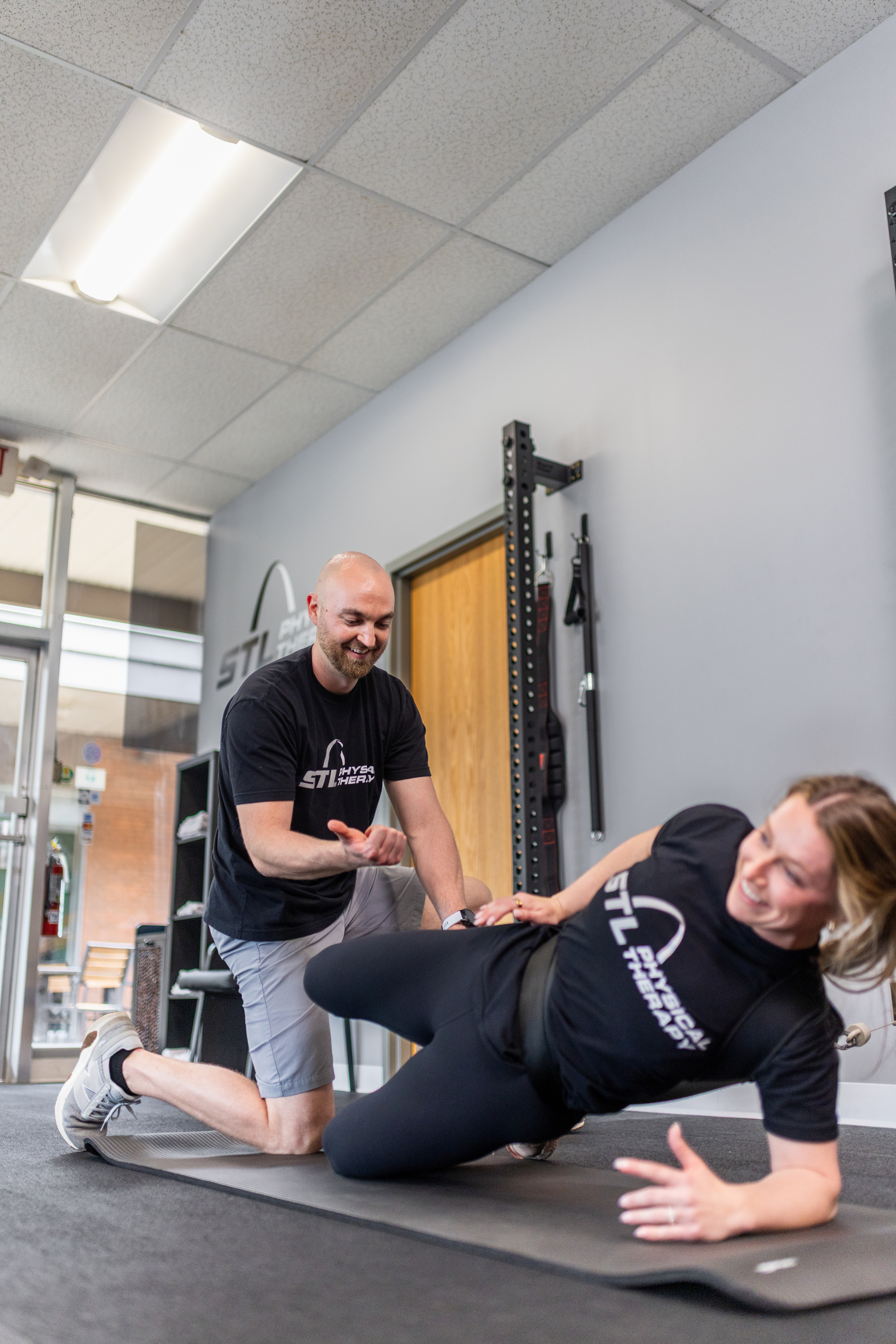
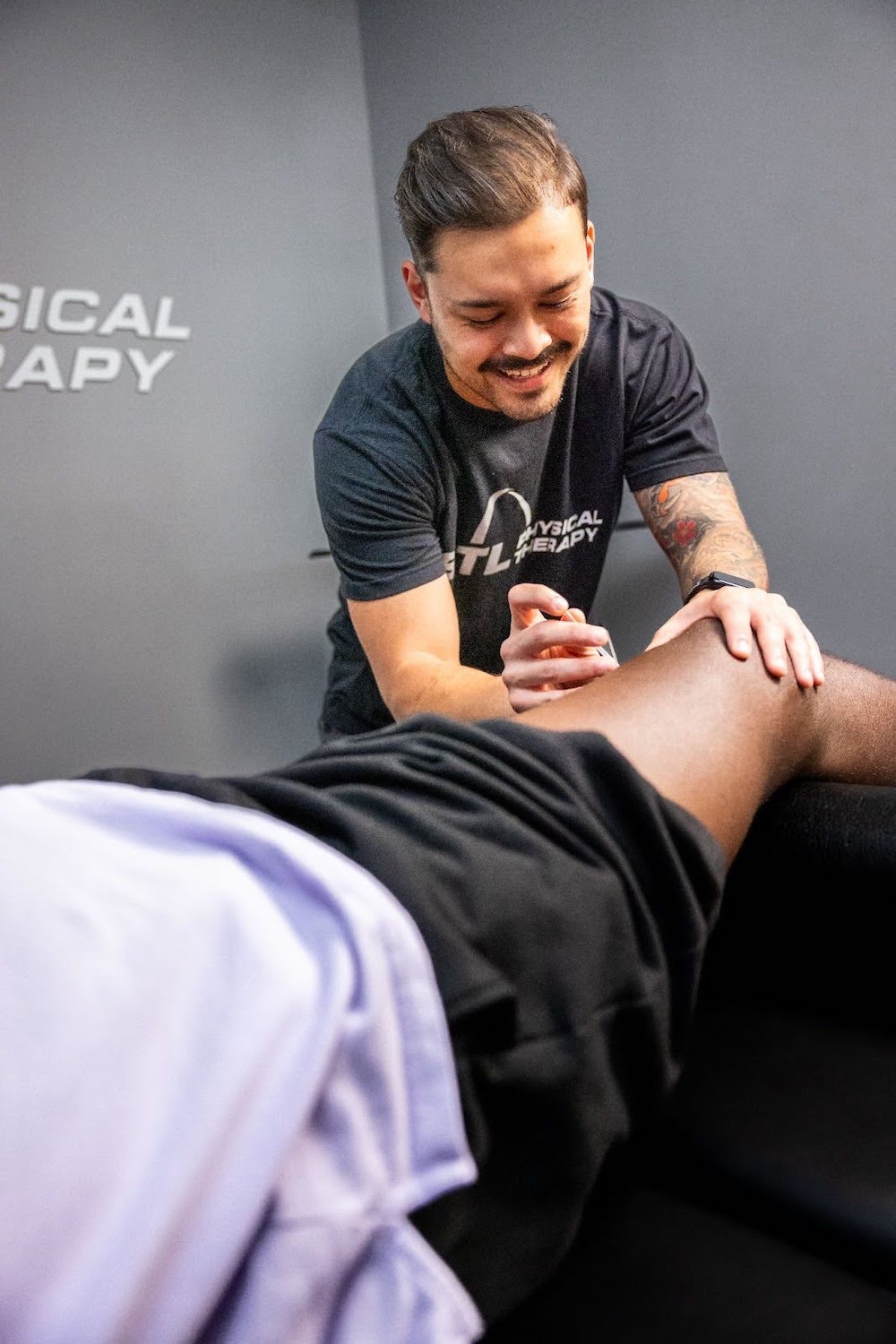
If you are dealing with ongoing muscle tightness, stubborn pain, or movement that just does not feel right, dry needling may be one of the tools that helps you move forward. At STL Physical Therapy, dry needling is used as part of a larger treatment plan to reduce tension, improve mobility, and help your body start moving more comfortably again.
Many people searching for dry needling in St. Louis are not just looking for temporary relief. They want to understand why something keeps tightening up, why pain keeps returning, or why recovery feels stalled. That is where the right physical therapy approach matters. Dry needling can help calm irritated tissue and create change quickly, but the long-term goal is always to address the root cause of the problem so you can move better and stay active with confidence.
At STL Physical Therapy, clients can access dry needling treatment at our Creve Coeur and Manchester locations as part of one-on-one care designed around their goals, symptoms, and movement patterns.
What Is Dry Needling?
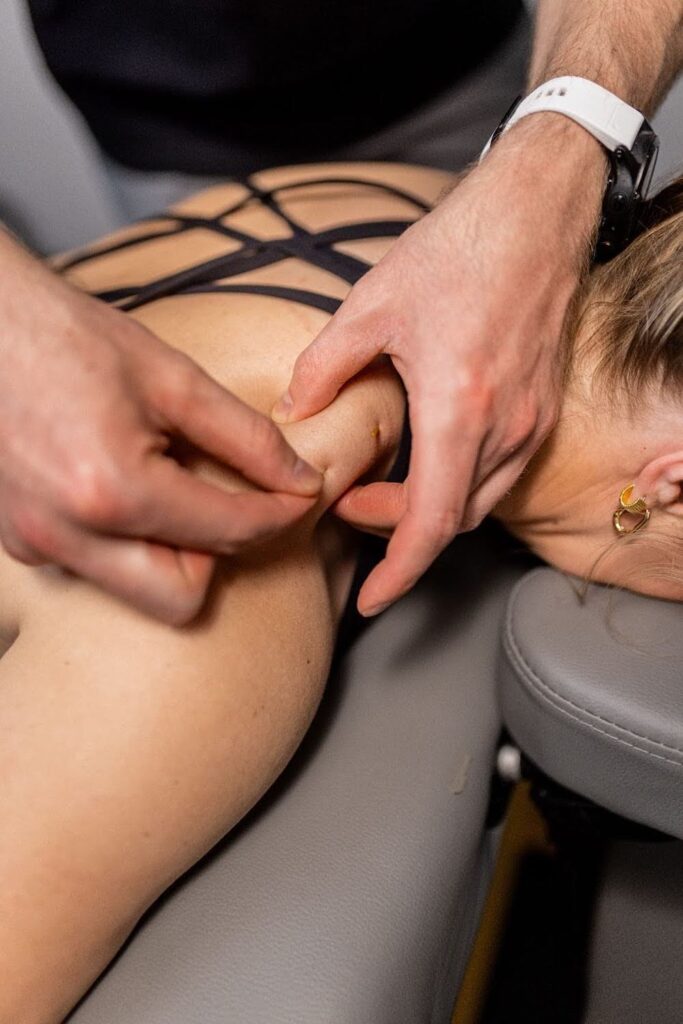
Dry needling is a treatment technique used by physical therapists to target tight, irritated, or overactive muscles and soft tissues. It involves placing a very thin needle into specific areas of tension in order to reduce muscle guarding, improve tissue mobility, and help decrease pain.
Despite the name, there is no medication in the needle. The term “dry” simply means the needle itself does not inject anything. What it does is create a response in the tissue that can help muscles relax, improve blood flow, and reduce the stiffness that may be limiting how you move.
For someone struggling with pain or restricted motion, dry needling can be a helpful step in getting the body ready for the next phase of rehab. At STL Physical Therapy, it is not used as a stand-alone fix. It is one part of a broader plan designed to help clients restore movement, improve control, and build strength so the issue does not keep coming back.
How Is Dry Needling Different From Acupuncture?
This is one of the most common questions clients ask, and it is understandable. Both dry needling and acupuncture use thin needles, but they come from different treatment models and are used for different reasons.
Dry needling is based on modern musculoskeletal assessment. In a dry needling physical therapy setting, the goal is to target tight muscles, trigger points, and movement-related dysfunction that may be contributing to pain or limited range of motion. It is used as part of a rehab plan focused on how the body moves and functions.
Acupuncture, on the other hand, is rooted in traditional Chinese medicine and follows a different philosophy. While both approaches may help people feel better, dry needling at STL Physical Therapy is specifically integrated into physical therapy care to support recovery, mobility, and performance.
For clients, the most important difference is not just the needle. It is the full treatment strategy around it. At STL Physical Therapy, dry needling is paired with hands-on care, movement work, and strengthening so relief leads to lasting progress.

What Can Dry Needling Help Treat?
Dry needling can be useful for a wide range of musculoskeletal issues, especially when pain and restricted movement are being driven by muscle tension, trigger points, or soft tissue dysfunction. It is often helpful for people who feel like a certain area is always tight, easily aggravated, or slow to recover.
Some clients come in with neck pain that keeps flaring up during work or after long days at a desk. Others are dealing with shoulder pain, back pain, hip tightness, or persistent calf and hamstring tension. Dry needling may also be used for certain sports injuries, tension-related headaches, and movement restrictions that are interfering with performance or daily activity.
It can also be part of care for conditions like sciatica when surrounding muscles are contributing to irritation or altered movement. The key thing to understand is that STL Physical Therapy does not apply the same treatment to every client with the same diagnosis. The team looks at the full picture. Pain might show up in one area, but the reason it is happening may start somewhere else. Dry needling can help reduce the symptoms, but identifying and treating the “why” behind those symptoms is what drives more lasting results.
What to Expect at a Dry Needling Session at STL Physical Therapy
For many first-time clients, the biggest question is simply what the experience is actually like. If you have been searching for dry needling near me but have never tried it before, knowing what to expect can make the process feel a lot less intimidating.
Your session starts with an evaluation. The therapist will look at your symptoms, movement limitations, medical history, and goals to determine whether dry needling makes sense for your situation. Not every client needs it, and it is never used just for the sake of using it. It is chosen when it supports the overall treatment plan.
During treatment, a thin needle is placed into a targeted muscle or irritated tissue area. You may feel a small pinch, pressure, or a quick twitch response in the muscles. Some people barely notice it, while others feel a momentary cramp-like sensation. That response is normal and often signals that the tissue being targeted is the right one.
Afterward, it is common to feel some soreness for a short period of time, similar to how a muscle might feel after a workout. Many clients also notice that the area feels looser or that movement becomes easier shortly after treatment.
At STL Physical Therapy, that is not where the work stops. There is a method to the process. Dry needling may be used first to decrease tissue stiffness and improve mobility. From there, treatment continues by improving range of motion, building stability, and then increasing strength and capacity. That progression helps clients not only feel better but also gain the control and resilience needed to stay better.
Why Dry Needling Works Best as Part of Physical Therapy
One reason dry needling has become so popular is that it can create noticeable change quickly. When a muscle is highly guarded or movement feels blocked, it can be an effective way to reduce tension and open the door for progress. But symptom relief alone is rarely the whole answer.
That is why dry needling tends to work best when it is part of a full physical therapy plan. If tight tissue is limiting motion, you still need to restore that motion. If poor stability contributed to the issue in the first place, you need to improve control. If weakness or overload is part of the problem, strength and capacity have to be rebuilt.
At STL Physical Therapy, the goal is not simply to chase pain from one visit to the next. The goal is to understand why the pain developed, reduce the factors driving it, and then help clients return to activity with a body that moves and performs better. Dry needling is one tool in that process, not the entire process.
That approach matters whether someone is trying to get through daily life without pain, return to the gym, stay active with their family, or get back to sport.
Is Dry Needling Covered by Insurance?
Insurance coverage for dry needling can vary depending on the plan and how treatment is billed. In some cases, it may be included as part of physical therapy care. In others, there may be limitations or out-of-pocket costs associated with it.
Because every plan is different, the best next step is to contact STL Physical Therapy directly and ask about your specific benefits. The team can help you better understand what may be covered and what to expect before starting care.
For many clients, the bigger question is not just whether a technique is covered, but whether it is the right fit for the issue they are dealing with. A quick conversation can help clarify that as well.
Looking for Dry Needling in St. Louis?
If you have been searching for “dry needling St. Louis,” “dry needling St. Louis MO,” or “dry needling near me,” you are likely looking for more than a place that offers the service. You are looking for a clinic that knows when to use it, how to integrate it into a bigger plan, and how to help you move toward real recovery.
That is exactly how STL Physical Therapy approaches care. With locations in Creve Coeur and Manchester, the clinic serves clients across the St. Louis area who want personalized treatment that goes beyond temporary symptom management.
Whether you are dealing with chronic tightness, a nagging injury, or pain that keeps interfering with your workouts or everyday life, dry needling may be a helpful part of your treatment plan.
Book a Free 15-Minute Phone Consult
If you are wondering whether dry needling is right for you, the best place to start is with a conversation. STL Physical Therapy offers a free 15-minute phone consult so you can talk through your symptoms, ask questions, and get a better sense of what treatment may look like.
If you are ready to find a better path forward, reach out today to book your consultation and learn more about dry needling at STL Physical Therapy.